US Senate Removes AI Regulation Ban from Trump Tax Bill in Overwhelming Vote

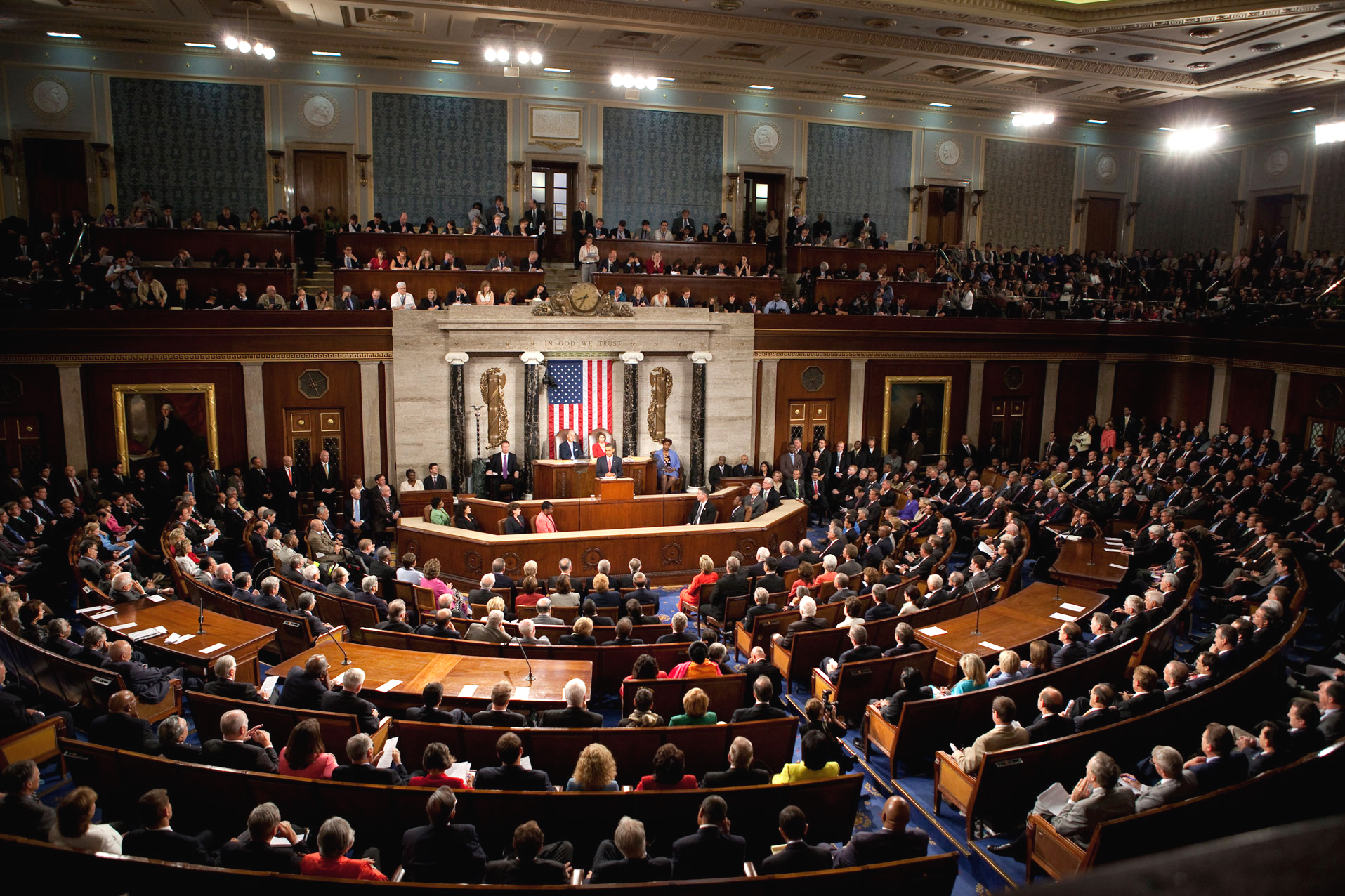
The Republican-controlled U.S. Senate voted 99-1 on Tuesday to eliminate a 10-year federal moratorium that would have prevented states from regulating artificial intelligence. This amendment, offered by Republican Senator Marsha Blackburn, was adopted during a lengthy “vote-a-rama” session on President Trump’s tax-cut and spending bill.

Only Senator Thom Tillis voted to keep the ban. The Senate later passed the broader tax legislation with a narrow 51-50 vote. The original bill sought to restrict states from accessing a $500 million fund for AI infrastructure if they imposed AI regulations.

Major AI companies like Google and OpenAI had supported the moratorium, arguing that a consistent federal approach would foster innovation without a patchwork of state rules. However, Democratic Senator Maria Cantwell opposed the ban, emphasizing the importance of state laws to protect consumers from risks like robocalls, deepfakes, and unsafe autonomous vehicles.

Seventeen Republican governors also called for abandoning the moratorium. Arkansas Governor Sarah Huckabee Sanders said the Senate’s decision would enable states to protect children from unregulated AI harms.

Blackburn introduced the amendment shortly after withdrawing support for a compromise that would have shortened the ban to five years and allowed limited state regulation on matters such as child safety and artist protections. She stated that until Congress enacts comprehensive federal legislation, states must retain the right to protect their citizens.

Pope Leo Urges Politicians to Address Challenges of Artificial Intelligence

Pope Leo cautioned politicians on Saturday about the growing challenges posed by artificial intelligence (AI), particularly emphasizing its impact on younger generations. Speaking at an event attended by Italian Prime Minister Giorgia Meloni and parliamentary delegations from 68 countries, the pope highlighted that AI should serve as a tool to benefit humanity rather than diminish or replace people.

This topic has been a recurring concern for Pope Leo since the early weeks of his papacy. Speaking during the Roman Catholic Jubilee or Holy Year event, he underscored that AI proponents argue the technology can accelerate scientific progress and help free people from routine tasks, enabling more creative and valuable work.

Italian Prime Minister Meloni pledged to uphold the pope’s message, committing Italy to efforts domestically and internationally to ensure AI development remains human-centered, prioritizing human wellbeing. She also referenced the pope’s criticism of the growing divide between the rich and poor in society.

The U.S.-born pope stressed the need to protect healthy, fair lifestyles, especially for the youth, contrasting AI’s “static memory” with the “creative, dynamic” power of human memory. He emphasized that personal life holds greater value than any algorithm, and that social relationships require development spaces beyond the limited frameworks of machine programming.

Since becoming pope in May, Leo has spoken about AI’s threat to employment and urged responsible use of the technology by journalists and society at large.

Cognizant to Invest $183 Million in New India Campus, Creating 8,000 Jobs

Software services company Cognizant Technology Solutions announced plans to invest approximately 15.82 billion rupees ($182.76 million) to build a new campus in Vishakhapatnam, a city in southern India. The project is expected to generate about 8,000 jobs, with commercial operations scheduled to start in March 2029, according to an Andhra Pradesh government press release.

Cognizant did not immediately respond to requests for comment. This announcement follows a similar move by India’s leading IT firm, Tata Consultancy Services (TCS), which recently revealed plans to develop a 13.7 billion rupee campus in the same city, projected to create 12,000 jobs.

The investment aligns with Cognizant’s strategy to optimize real estate costs by shifting focus from India’s major metropolitan areas to tier-2 cities. CEO Ravi Kumar S highlighted in May 2023 that the company intends to reduce its global office space by 11 million square feet, mainly in large Indian cities, while investing more in smaller urban centers.

India’s $283 billion IT sector is currently adopting cost-saving measures, including monetizing real estate and delaying wage hikes, amid uncertain demand. Despite this, Cognizant recently raised its annual revenue forecast after exceeding first-quarter expectations, fueled by growing demand for AI-powered IT services.

The company now expects its 2025 revenue to range between $20.5 billion and $21 billion, up from its previous midpoint forecast of $20.3 billion to $20.8 billion.