Iran’s Nobitex Crypto Exchange Hit by Hackers, $90 Million in Funds Destroyed

A powerful anti-Iranian hacking group known as Gonjeshke Darande (Predatory Sparrow) claimed responsibility on Wednesday for a devastating cyberattack on Nobitex, Iran’s largest cryptocurrency exchange. The attack allegedly destroyed around $90 million in digital assets and threatened to leak the platform’s source code.

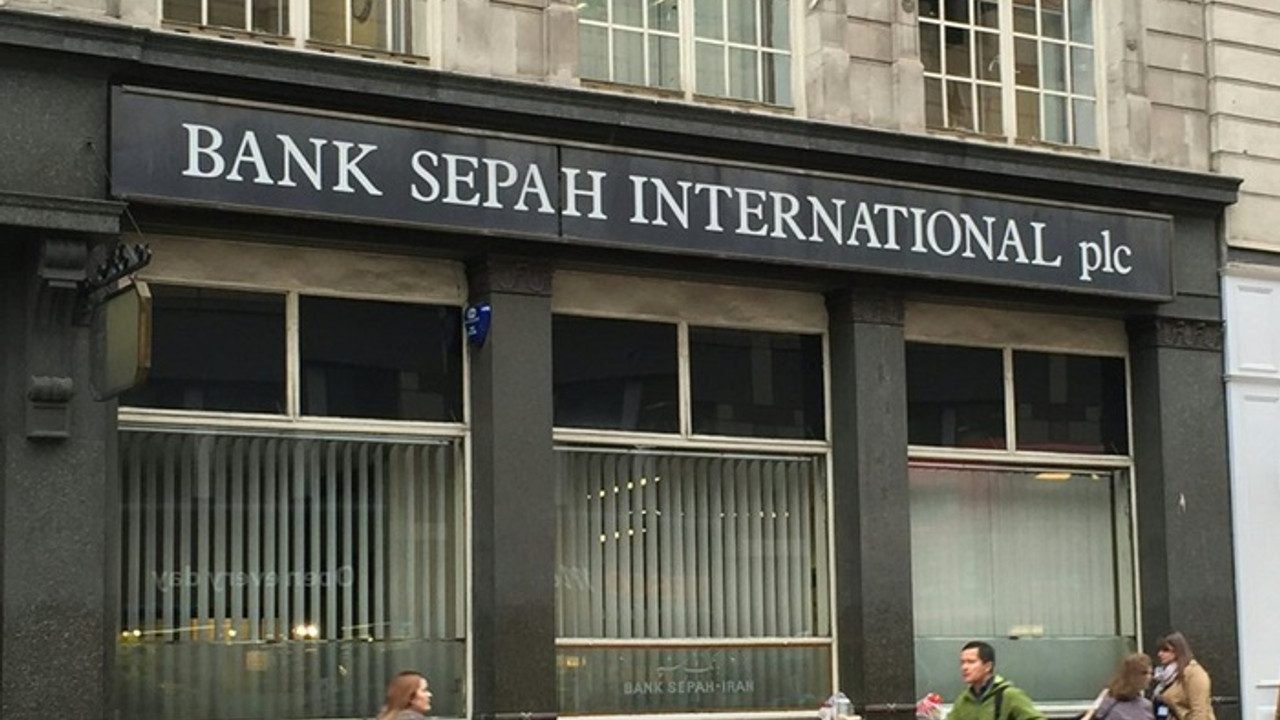
This marks the group’s second strike in two days, following an earlier operation targeting Bank Sepah, a state-owned Iranian bank. The campaign comes amid escalating tensions and missile exchanges between Israel and Iran.

The hackers claim Nobitex aids the Iranian regime in evading sanctions and financing militant groups, including Hamas, Palestinian Islamic Jihad, and Yemen’s Houthis. Blockchain forensics firm Elliptic confirmed these ties in a blog post, noting that funds had been exchanged between Nobitex and wallets linked to those entities.

Early Wednesday, funds were transferred from Nobitex to hacker-controlled wallets displaying anti-IRGC (Islamic Revolutionary Guard Corps) messages. Analysis by TRM Labs and Chainalysis confirmed that approximately $90 million in cryptocurrency was irretrievably “burned” in the operation, meaning the attackers intentionally rendered the assets inaccessible as a political statement.

Elliptic noted that the structure of the hacker wallets ensured that even the attackers could not access the stolen assets.

Nobitex confirmed in a post on X (formerly Twitter) that it had taken its website and app offline due to “unauthorized access.” Its Telegram support channels did not respond to inquiries.

The cyberattack adds to a growing list of high-profile hacks by Predatory Sparrow, which has previously disabled Iranian infrastructure, including gas stations and steel mills. Though Israel has never officially claimed the group, its operations are widely considered to align with Israeli cyber interests.

Senators Elizabeth Warren and Angus King recently highlighted Nobitex’s suspected role in Iranian sanctions evasion in a letter to the Biden administration, citing prior Reuters investigations from 2022.

Cybersecurity experts warn that this breach could further inflame geopolitical tensions while demonstrating the increasing use of blockchain technology in modern cyber warfare.


Klarna to Launch $40/Month Unlimited 5G Mobile Plan in U.S. as It Expands Telecom Offerings

Swedish fintech Klarna announced on Wednesday its entry into the U.S. mobile services market with a $40 per month unlimited mobile plan offering unlimited 5G calls and data. The move marks Klarna’s effort to diversify beyond financial services and follow the trend of fintech companies entering the telecom space, alongside competitors like British firm Revolut.

Klarna will provide its mobile plan using the platform of U.S. startup Gigs, which operates as a mobile virtual network operator (MVNO) platform in partnership with AT&T. This enables Klarna to offer mobile services without owning network infrastructure.

With over 25 million U.S. users, Klarna views the mobile plan as a natural extension of its neobank ambitions. CEO Sebastian Siemiatkowski told Reuters that the company’s goal is to solve everyday problems, and mobile fits into this strategy.

Unlike most fintechs that launch mobile services in other countries before entering the U.S., Klarna is starting directly in its largest market. The company plans to expand the mobile offering to the UK, Germany, and other countries later this year.

Industry analysts predict significant disruption in the MVNO market over the next two years as more enterprises launch their own mobile services, though increased competition also brings higher risks of failure. The U.S. MVNO market is expected to grow from $14.83 billion in 2025 to $20.84 billion by 2030, according to Mordor Intelligence.

The fintech sector is increasingly seeing telecom services as a growth area, with other fintech firms such as Germany’s N26 and Brazil’s Nubank already offering mobile plans in various countries. Even outside the fintech world, investors like actor Ryan Reynolds and businesses linked to former U.S. President Donald Trump have entered the MVNO market.

Malaysia Plans 50% Increase in Gas-Fired Power Capacity to Support Booming Data Centre Demand

Malaysia aims to expand its gas-fired power capacity by 6 to 8 gigawatts by 2030 to meet soaring electricity demand driven largely by the rapid growth of data centres, an industry official said. This expansion would represent a 40-54% increase from the current 15 GW of gas capacity, as the country seeks to reduce reliance on coal.

According to Megat Jalaluddin, CEO of state utility Tenaga Nasional Berhad, the government plans to build new gas plants and extend the lifespan of existing ones, positioning gas as the key transitional fuel after coal. Total electricity consumption in Malaysia is projected to rise by 30% by 2030.

Malaysia is expected to see the fastest growth in data centre power demand in Southeast Asia, with data centres’ share of electricity consumption in the region forecasted to triple to 21% by 2027 from 7% in 2022, based on a May report by Bain & Co, Google, and Temasek.

Petronas, Malaysia’s LNG exporter, may start importing liquefied natural gas within four to five years due to rising gas demand. The country also targets adding up to 10 GW of renewable energy capacity by 2030, more than doubling its current 9 GW, as data centres push for greener energy sources.

Deputy Prime Minister Fadillah Yusof highlighted that data centres will require 19.5 GW of power generation by 2035, making up 52% of Peninsular Malaysia’s electricity use, up sharply from about 2% today.

Malaysia’s southern state of Johor has become a leading data centre hub in Southeast Asia, favored for its proximity to Singapore, affordable land and power, and faster regulatory approvals. Tech giants like Microsoft, Nvidia, Google, and ByteDance have committed billions in investments since early 2024, fueling an infrastructure boom.