Ray-Ban Meta Glasses to Arrive Soon; New Live Translation Feature Expanded Globally

Meta Platforms has announced that the highly anticipated Ray-Ban Meta Glasses will soon be available in India, expanding their availability to include several new regions. Initially launched in the US in September 2023, the smart glasses have gradually made their way to other parts of the world. With their official arrival in India, Meta is bringing new styles and enhanced features, including the much-awaited live translation feature and the ability to send and receive direct messages and make video calls on Instagram.

The Ray-Ban Meta Glasses will be priced similarly to other markets, with the base model starting at $299 (roughly Rs. 25,000) in the US. Developed in collaboration with EssilorLuxottica, these smart glasses are equipped with a 12-megapixel ultra-wide camera, open-ear speakers, and integrated microphones, providing users with the ability to take photos, listen to music, and communicate hands-free. Although Meta has not yet disclosed specific details regarding the price and availability for India, the glasses will soon be available for purchase in India, Mexico, and the UAE.

In addition to their expanded availability, Meta has introduced new styles for the Ray-Ban Meta Glasses. Customers can now choose from a range of designs, including the Skyler Shiny Chalk Grey with Transitions Sapphire lenses, Skyler Shiny Black with G15 Green lenses, or Skyler Shiny Black with Clear lenses, offering more options to match different tastes and preferences. These new styles aim to enhance the glasses’ appeal, combining fashion and cutting-edge technology seamlessly.

A major update to the Ray-Ban Meta Glasses is the rollout of live translation, which was initially available only in the US and Canada in early access. The live translation feature is now expanding globally, allowing users to translate speech in real-time between English and Spanish, French, or Italian. With a simple voice command, “Hey Meta, start live translation,” users can hear translated audio through the glasses’ open-ear speakers and see a transcription of the conversation. Moreover, language packs can now be downloaded, making the feature accessible even without a Wi-Fi connection, further increasing its versatility.

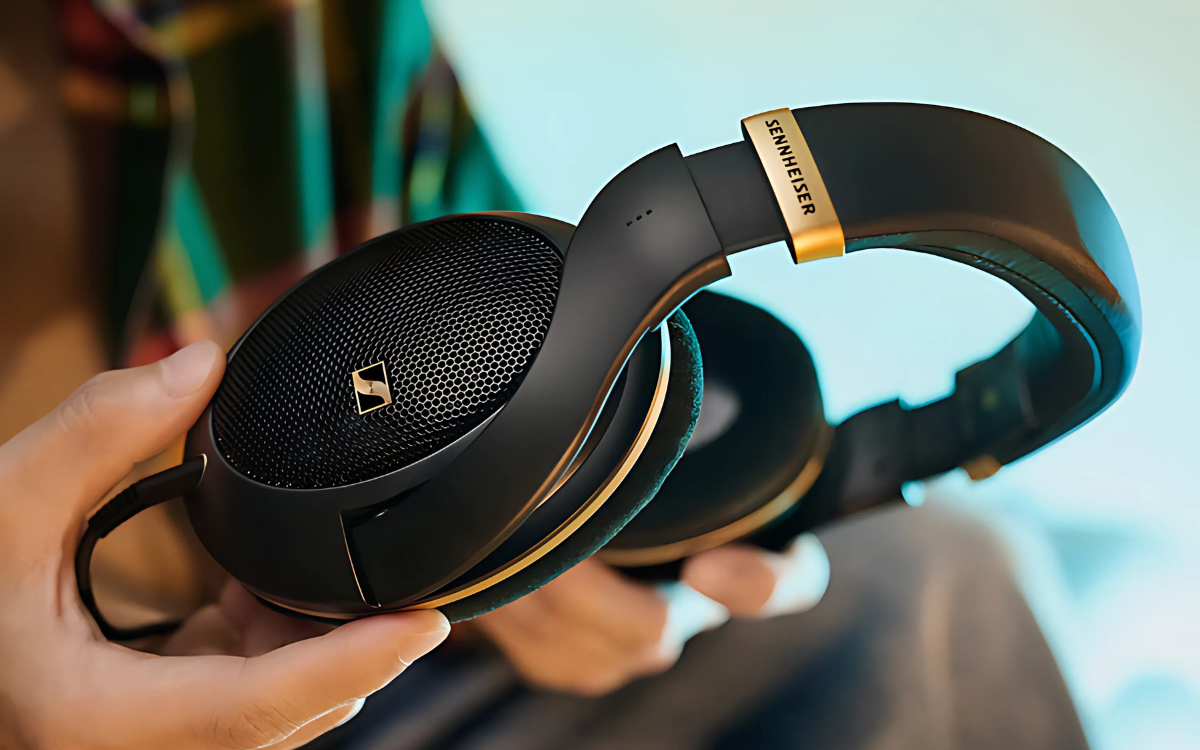
Sennheiser HD 505 Open-Back Over-Ear Headphones Now Available

Sennheiser has officially launched its HD 505 over-ear headphones in India, offering audiophiles a premium listening experience with an open-back design. The new headphones are available in a Copper Edition variant and come equipped with Sennheiser’s custom 120-ohm transducer, developed at the company’s facility in Tullamore, Ireland. The HD 505 headphones are designed to deliver high-fidelity sound with an impressive frequency response range of 12Hz to 38,500Hz, ensuring an immersive listening experience. With a total harmonic distortion (THD) of less than 0.2 percent, these headphones promise to deliver clear and distortion-free audio.

Priced at Rs. 27,990, the Sennheiser HD 505 is available for purchase through Amazon India, with plans to be sold on the official Sennheiser India website as well. The Copper Edition of these headphones is expected to appeal to both audiophiles and casual listeners who value high-quality sound and aesthetics. This new release positions Sennheiser as a strong contender in the competitive premium headphone market in India, where consumers are increasingly seeking high-performance audio products.

The HD 505 headphones feature dynamic drivers with a wide frequency range, providing an exceptional audio experience. The 120-ohm transducers used in the HD 505 are angled forward in the open-back cups to mimic the placement of near-field loudspeakers, creating a more expansive and immersive soundstage. The design allows for a more natural, speaker-like experience, enhancing clarity and spatial separation in the sound. The open-back design further contributes to an airy, natural sound, providing a more open listening experience compared to closed-back headphones.

In terms of connectivity, the HD 505 comes with a detachable 1.8-meter cable with a 3.5mm connector, which can be swapped out with an included 3.5mm to 6.35mm screw-on jack adapter for compatibility with a wider range of audio devices, including amplifiers, sound cards, and A/V receivers. Whether you’re connecting to a high-end audio system or enjoying music on your portable device, the Sennheiser HD 505 offers the versatility and sound quality needed for a premium listening experience.

Apple’s New Siri Leader Taps Vision Pro Team to Lead Siri’s Comeback Effort

Apple is making significant changes to the management structure of its Siri team as the company attempts to reinvigorate its beleaguered voice assistant. Mike Rockwell, the newly appointed head of Siri engineering, is reshaping the leadership team by bringing in talent from the Vision Pro software group. This restructuring is intended to refocus Siri’s development and set the company up for future success in the increasingly competitive artificial intelligence space. As part of this overhaul, Rockwell is also realigning teams focused on key areas such as speech recognition, understanding, performance, and user experience.

Rockwell’s leadership shake-up follows a series of delays and technical challenges that have hindered Siri’s progress in recent years. This has led to increased pressure on Apple, as its voice assistant has fallen behind rivals like Google and OpenAI in terms of innovation and performance. In response to these struggles, Apple’s CEO Tim Cook decided to make leadership changes, including reducing the responsibilities of AI chief John Giannandrea and former Siri head Robby Walker. Siri’s underperformance has become one of Apple’s most high-profile challenges, especially given the technology’s launch back in 2011 and its subsequent failure to keep pace with advancements in AI.

One of Rockwell’s first major decisions was to bring Ranjit Desai into the fold, a highly experienced executive from the Vision Pro development team. Desai will now oversee much of Siri’s engineering, including the platform and systems that power the assistant. Rockwell expressed confidence that Desai’s expertise in high-performance, low-latency systems would allow Siri to reach new levels of performance, which is crucial for the voice assistant to regain its competitive edge.

In addition to Desai, other key Vision Pro talent is joining the Siri team. Olivier Gutknecht, a senior software executive from the Vision Pro project, will take charge of Siri’s user experience team, while Nate Begeman and Tom Duffy, two experienced Apple software engineers, will handle the underlying architecture of Siri. Rockwell’s goal is to ensure that these changes will result in a “world-class” technology platform that is not only scalable but also able to perform at a level that meets the evolving demands of consumers. With this major restructuring, Apple hopes to reinvigorate Siri and reaffirm its position in the AI market.