Samsung Galaxy Ring Expected to Debut in Two Size Variants

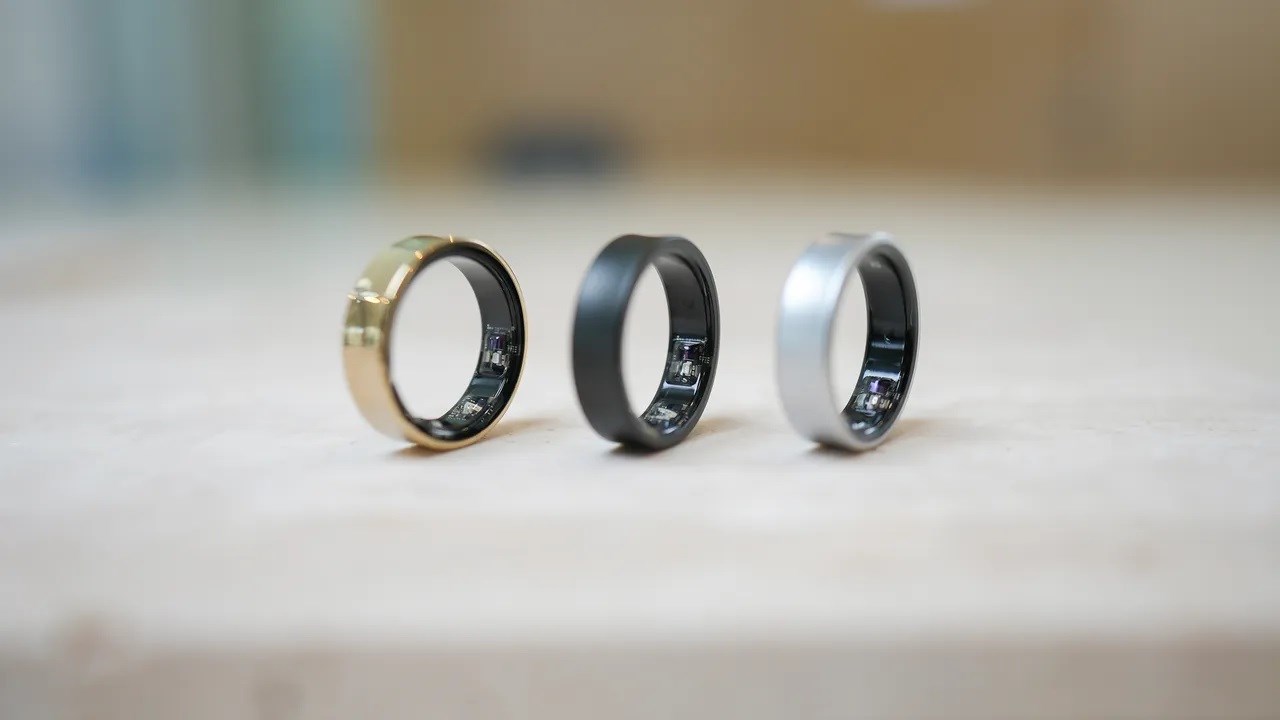
Samsung’s Galaxy Ring, which launched in India in October, has garnered attention as the company’s first-ever smart ring, available in a variety of sizes. The wearable, which currently offers nine size options, may soon expand its range, according to recent leaks and certification listings. Although Samsung has not officially confirmed these developments, it’s suggested that two additional sizes could be added to the existing lineup. Additionally, there have been hints at a possible successor to the Galaxy Ring, set for release in 2025 with upgraded features.

The new variants of the Galaxy Ring are expected to come in sizes 14 and 15, based on the leaked model numbers SM-Q514 and SM-Q515, which recently appeared in the Samsung Galaxy Ring user guide. This suggests that the company is working on providing more options to cater to a wider range of users. Presently, the smart ring is available in sizes ranging from five to 13, and these additions would offer an even broader fit.

Further corroborating the expected size updates, these new model numbers have been spotted in various certification listings. One such listing was found on Nemko (Norges Elektriske Materiellkontroll), a renowned certification body, indicating that the new sizes are nearing an official release. Additionally, the SM-Q514 model number also appeared on the TDRA (Telecommunications and Digital Government Regulatory Authority) website, further supporting the notion of a quick launch.

As these new size options make their way into the market, they could potentially help Samsung cater to a larger audience, ensuring that more people can find the perfect fit for the Galaxy Ring. The anticipated launch could be a step toward refining and expanding Samsung’s smart wearables lineup, especially as rumors circulate about an updated version of the Galaxy Ring in the near future.

Ray-Ban Meta Smart Glasses Introduce AI-Powered Live Translation and Enhanced Features

Ray-Ban Meta Smart Glasses Introduce AI-Powered Live Features

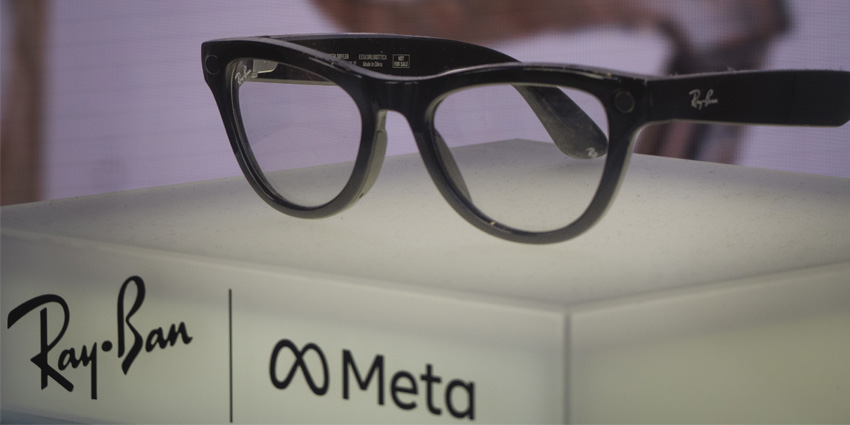
Meta has unveiled two groundbreaking artificial intelligence (AI) features for its Ray-Ban Meta smart glasses. The first, known as Live AI, equips the glasses with real-time video processing capabilities. This allows Meta AI to continuously interpret the user’s surroundings through the built-in cameras and provide instant feedback or answers about what it observes. The second feature, live translation, enables real-time speech translation in supported languages. Meta CEO Mark Zuckerberg showcased this feature during Connect 2024, demonstrating its potential for breaking language barriers. These updates are initially available to members of Meta’s Early Access Program in Canada and the United States.

Enhancements with the v11 Software Update

The new AI capabilities are part of the v11 software update for the Ray-Ban Meta smart glasses, now being rolled out to eligible devices. This update reflects Meta’s commitment to integrating advanced AI technologies into wearable devices. By embedding these innovative features directly into the glasses, users can experience a seamless blend of hardware and software, transforming the way they interact with their surroundings.

Live AI: Context-Aware Intelligence

The Live AI feature leverages the glasses’ cameras to provide continuous, real-time video processing. By enabling the AI to “see” what the user sees, it creates a more intuitive and dynamic interaction. For example, users can point the glasses at an object, landmark, or text, and receive instant explanations or translations. This functionality mirrors OpenAI’s recently introduced Advanced Voice with Vision feature, highlighting the growing trend of vision-based AI capabilities in consumer devices.

Real-Time Translation for Global Communication

Live translation, another key addition, addresses the challenge of cross-language communication. The feature allows users to engage in real-time conversations, with speech automatically translated within supported languages. This innovation has significant implications for travel, business, and social interactions, making communication across cultures more accessible. With these updates, Meta continues to position its smart glasses as a versatile and indispensable tool in the expanding landscape of AI-powered wearables.

Samsung Announces Moohan Android XR Headset to Rival Apple Vision Pro in 2025

Samsung has officially unveiled its first extended reality (XR) headset, codenamed Project Moohan, set to compete in the rapidly growing market of mixed reality devices. The Moohan headset was demonstrated during Google’s introduction of its Android XR operating system, a new platform tailored for augmented reality (AR) glasses and mixed reality headsets. This headset, set to launch in 2025, aims to rival industry giants such as Apple’s Vision Pro and Meta’s Quest 3, with features that blend AR, virtual reality (VR), and artificial intelligence (AI) into a seamless user experience.

The Moohan XR headset will run on Google’s Android XR, a platform built with advanced support for AR, VR, and AI-powered applications. One of the standout features is the integration of Google’s Gemini AI assistant, which will bring voice commands and intelligent assistance directly to the headset. While Samsung has yet to release specific details about the launch timeline or pricing, the device is expected to arrive next year, and it will be the first headset to use the Android XR operating system, marking a significant step in the development of Android-based XR devices.

In terms of hardware, the Moohan XR headset promises cutting-edge displays and passthrough capabilities, allowing users to blend the virtual and real worlds with ease. It will also support multi-modal input, providing users with a range of control options, from hand gestures to voice commands, for a more immersive experience. This places the Moohan headset in direct competition with other high-end XR devices, including Apple’s Vision Pro, which boasts impressive Micro-OLED displays with a per-eye resolution of 3,660 × 3,200 pixels, setting a high standard for visual clarity and performance.

Samsung’s Moohan headset is shaping up to be a formidable player in the XR space, combining state-of-the-art display technology with powerful AI integration and multi-modal interaction. As the company prepares to enter the market, all eyes will be on how it positions itself against the established leaders like Apple and Meta, and whether it can offer a compelling alternative in terms of features, performance, and price.