Google Patents AI-Powered Smart Glasses Assistant That Tailors Suggestions Based on Gaze and Voice

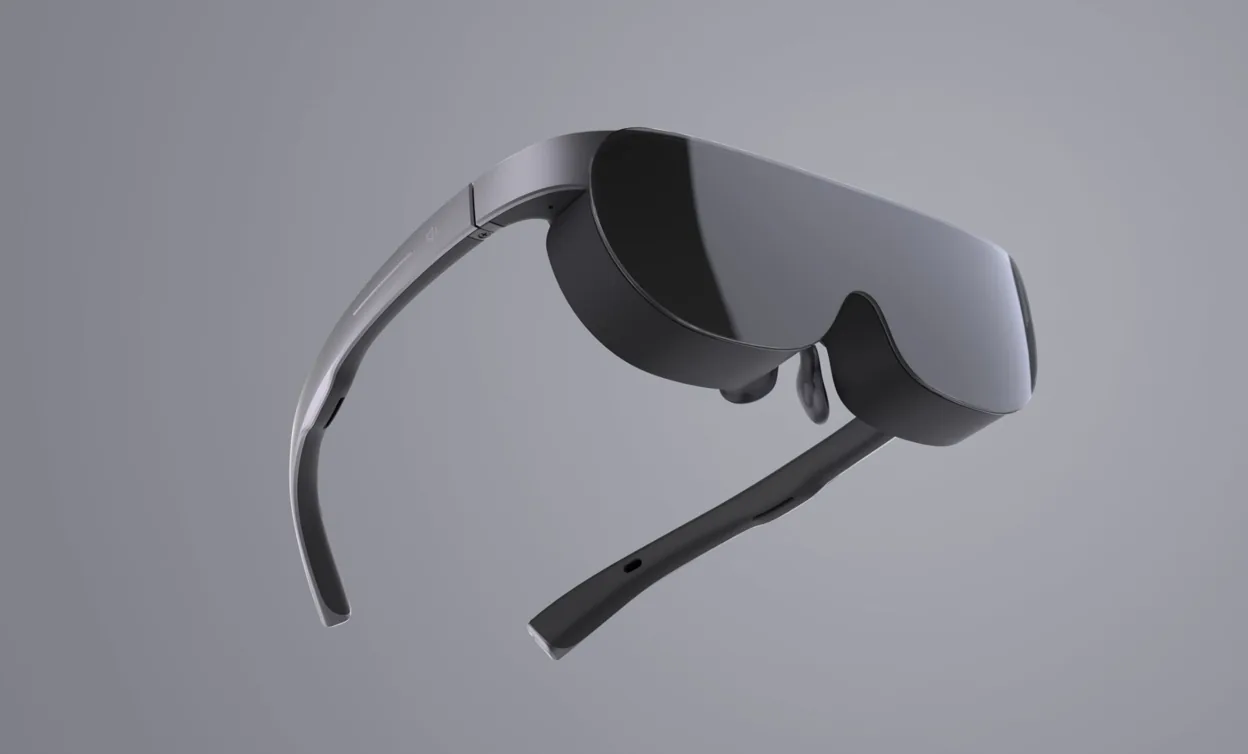
Google has recently been granted a patent for a new assistant designed to enhance the functionality of smart glasses. This assistant, which adapts its suggestions based on a user’s gaze or voice input, could significantly improve the experience of using wearables. While Google has previously explored augmented reality (AR) technologies for smart glasses, including its ambitious “Project Iris,” which was ultimately put on hold in favor of collaborating with other hardware partners, this new assistant technology might find its way into future products, whether AR glasses or other wearable devices.

The concept behind this patent is an automated assistant capable of providing real-time suggestions and interactions based on what the user is focusing on or saying. The system utilizes the smart glasses’ built-in sensors to track the user’s gaze and detect voice commands, then adapts its responses accordingly. For example, if a user is looking at a specific object, the assistant could offer information about it, or if the user asks a question, the assistant could provide a tailored answer. This level of customization would be an important step in making wearable technology more intuitive and responsive to everyday interactions.

In the patent filing, titled “Adapting assistant suggestions rendered at computerized glasses according to changes in user gaze and/or other user input,” Google explains that the assistant could utilize both visual and auditory data. This dual input allows the system to offer suggestions that are highly relevant to the user’s current environment. The glasses would continuously track the user’s focus, enabling them to receive helpful notifications, directions, or contextual information about objects or places they are engaging with in real-time.

While Google has not explicitly confirmed if these capabilities will be rolled out in a future product, the patent provides a glimpse into how the company envisions enhancing the user experience of wearable tech. With advancements in artificial intelligence, this technology could lead to smarter, more personalized devices that seamlessly integrate into daily life, helping users stay connected, informed, and engaged without the need for constant interaction with their phones or other devices.

Nokia Launches 360 Camera with 8K Video Streaming and 5G Support for Industrial Use: Full Specifications

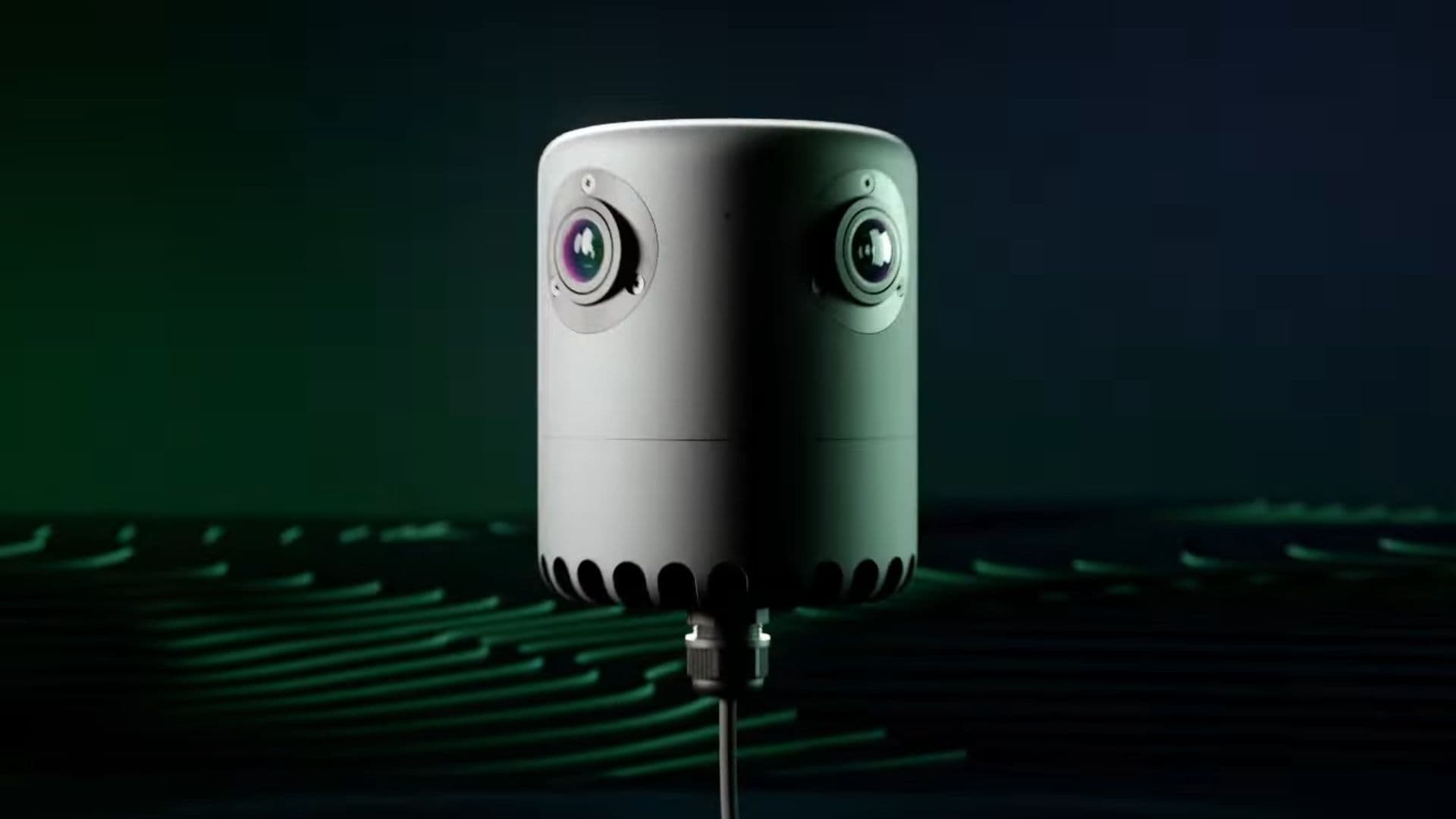
Nokia has launched its new 360 Camera, designed specifically for industrial applications, offering cutting-edge features aimed at enhancing real-time monitoring and remote operations. The camera supports up to 8K video streaming and spatial audio, providing high-quality multimedia in dynamic, demanding environments. With its 5G capability and low-latency connection, the Nokia 360 Camera is positioned to deliver seamless real-time monitoring and remote control, especially when paired with Nokia’s Real-time eXtended Reality Multimedia (RXRM) software solution. This combination of advanced features makes it a powerful tool for industries requiring high-definition, interactive surveillance or operations.

The camera is built to withstand tough environmental conditions, making it ideal for various industrial settings. It is rated IP67 for dust and water resistance, ensuring it can perform reliably in harsh conditions, including exposure to water and dust. The camera’s high-end model is specifically designed to endure extreme temperatures, catering to environments where most other cameras might fail. This rugged design is a key selling point for industries like manufacturing, construction, or energy, where operations often take place in challenging and fluctuating conditions.

Nokia offers the 360 Camera in two variants to cater to different business needs. The standard model features Wi-Fi-only connectivity, providing a more affordable solution for businesses that do not require high mobility or deployment in extreme conditions. On the other hand, the Extreme Temperature variant is engineered for deployment in more demanding environments, ensuring that the camera can function under intense heat or cold. Both models provide 360-degree multimedia streaming, allowing businesses to monitor and control operations from any angle with full clarity.

With the support for 5G, Wi-Fi, and Ethernet, the Nokia 360 Camera can offer flexible connection options, making it adaptable to a wide range of industrial networks. Its integration of spatial audio further enhances the immersive experience, providing more accurate situational awareness for users. Available exclusively to B2B customers, the Nokia 360 Camera is positioned as a premium, high-performance solution tailored to industries looking for advanced surveillance and monitoring technology.

Solos AirGo Vision Smart Glasses Launch with ChatGPT Integration: Price and Features Revealed

Solos has officially launched its new pair of smart glasses, the AirGo Vision, which are powered by artificial intelligence (AI) and designed to offer users a unique and interactive experience. These smart glasses come equipped with front cameras and utilize OpenAI’s GPT-4 AI model, allowing them to answer questions and provide information about the user’s surroundings. While they share some similarities with Meta’s Ray-Ban smart glasses, the Solos AirGo Vision does not feature video recording capabilities. The glasses also include virtual buttons for easy control and support USB Type-C charging for convenience.

The price of the Solos AirGo Vision starts at Rs. 25,878 in India (approximately $299 in the US), making it a relatively affordable option for AI-powered wearable tech. For those who require prescription lenses, additional costs will apply, with options for blue blocker, photochromic, or polarized lenses available. In the US, a bundle offer is available, which includes the smart glasses’ frames along with three interchangeable frame fronts for $349. This offer allows users to decide when to activate the front cameras or switch to regular frames for a more traditional look.

Solos plans to start shipping the AirGo Vision smart glasses on December 23, and the device will be available for purchase through the company’s official website. The glasses will be offered in three color options: Shiny Black, Dark Crystal Gray, and Shiny Crystal Brown, giving users a range of styles to choose from. The AI-powered features and customizable options make the AirGo Vision a promising addition to the growing smart eyewear market, catering to those seeking a blend of technology and style in their everyday accessories.

As the wearable tech market continues to evolve, the AirGo Vision presents an exciting opportunity for users looking to incorporate AI into their daily lives. Whether it’s for answering questions on the go, providing real-time information, or simply enhancing convenience, the Solos AirGo Vision smart glasses are set to offer a new level of functionality and versatility for consumers.