Caviar Unveils Premium Apple Vision Pro with 24K Gold Customization

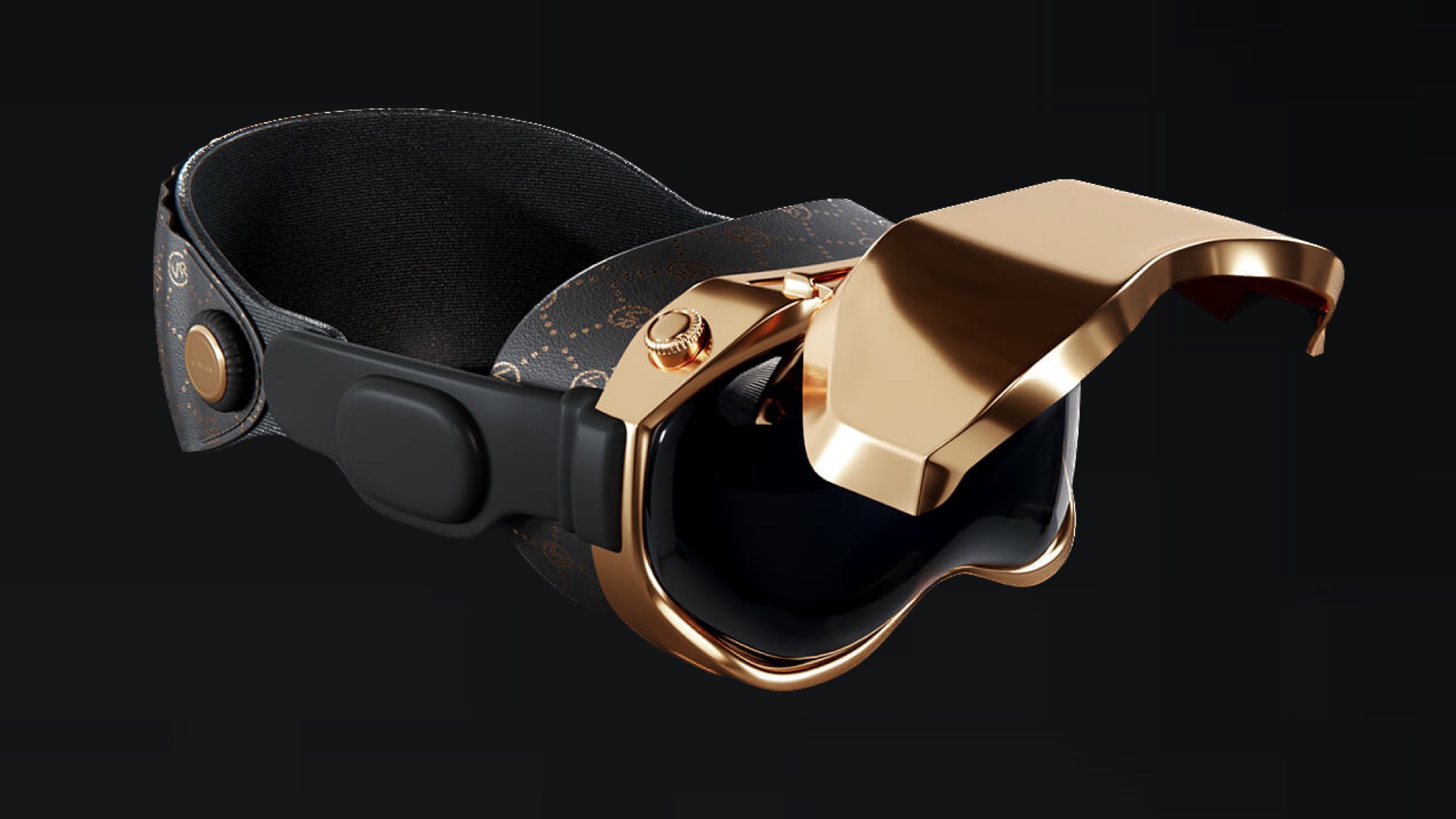
Caviar, the renowned luxury brand known for transforming everyday tech devices into high-end collectibles, has unveiled a custom version of Apple’s Vision Pro headset, aptly named the “Oracle.” While maintaining the same internal components and specifications as the standard Apple Vision Pro, the Oracle edition elevates the device’s aesthetics to a whole new level. The mixed-reality headset now boasts luxurious elements, including 24-karat gold accents, a 7-micron coating for a refined finish, and a natural leather exterior with a unique braguering finish. These enhancements transform the Vision Pro into an exclusive, premium experience that appeals to high-end consumers.

Priced at a staggering $26,700 (approximately Rs. 23 lakhs) for the 256GB model, the Caviar Oracle is available in other configurations as well. The 512GB version and the 1TB model offer even more storage space, with the latter being priced at $29,560 (roughly Rs. 25 lakhs). These prices place the Oracle far beyond the reach of most consumers, cementing its status as a luxury item meant for those seeking unparalleled exclusivity.

For comparison, the standard Apple Vision Pro, which debuted at Apple’s Worldwide Developers Conference (WWDC), is priced at $3,499 (roughly Rs. 2,88,700) for the base model with 256GB of storage. While the mass-market version offers cutting-edge mixed reality features, the Caviar Oracle takes the experience to a different level by focusing on luxury materials and design, turning the already futuristic device into an ultra-luxurious status symbol.

Caviar’s approach with the Oracle model aligns with its strategy of creating exclusive, high-end variants of popular tech gadgets. The Oracle is not just a tech product but a piece of luxury art, appealing to collectors and tech enthusiasts who want something truly unique. As demand for premium and customized devices continues to rise, Caviar’s collaboration with Apple on the Vision Pro could redefine the future of luxury in consumer electronics.

Samsung Galaxy Ring Launches in Qatar, Romania, UAE, and Additional Markets

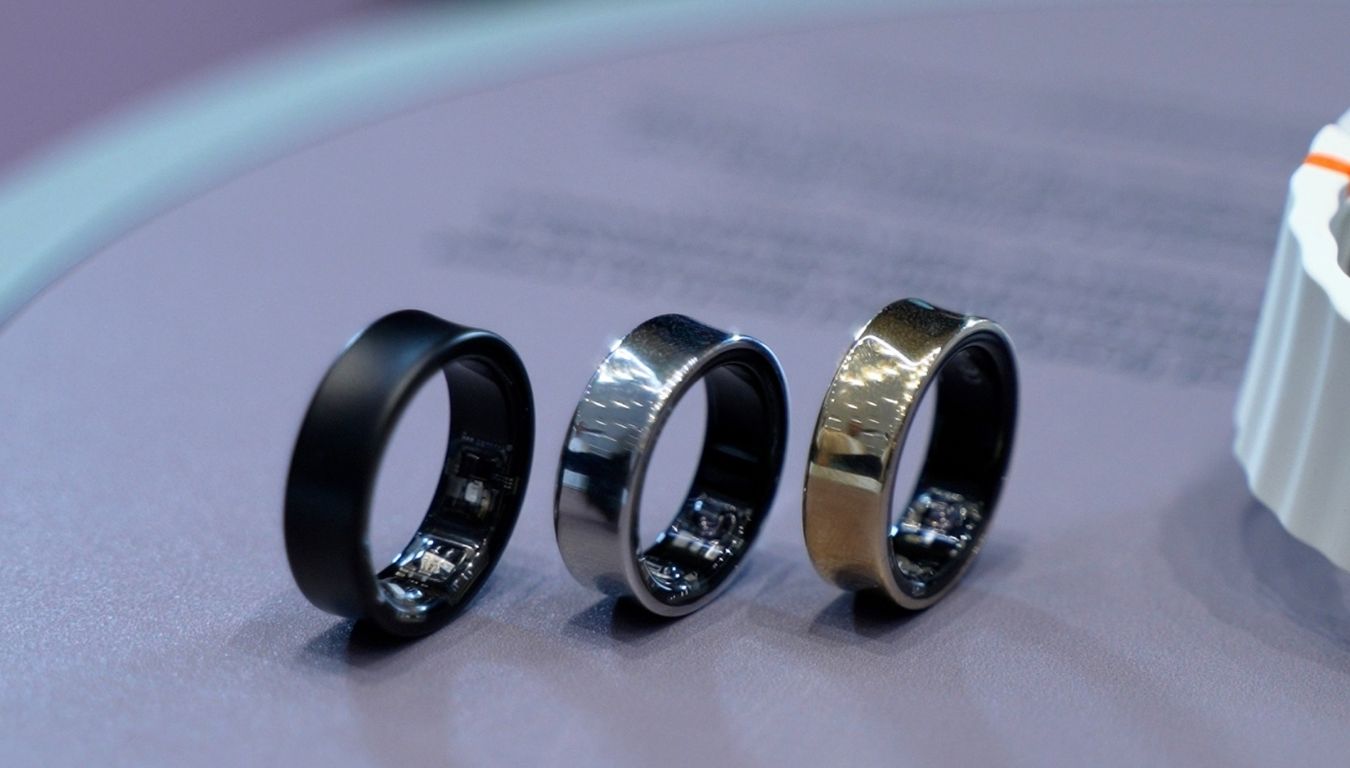
Samsung has announced the expanded availability of its Galaxy Ring, bringing the innovative wearable device to several Gulf countries and Eastern European markets. The Galaxy Ring, known for its compact yet powerful design, offers advanced AI-driven health tracking, including sleep monitoring and fitness metrics. With a battery life of up to seven days on a single charge, it integrates seamlessly with the Samsung Health platform, providing users with a comprehensive health management experience. The device is available in nine sizes and three premium finishes, catering to a broad audience seeking both functionality and style.

Expanded Availability and Pricing

The Samsung Galaxy Ring is now accessible in Bahrain, Bulgaria, Kuwait, Oman, Romania, Qatar, and the UAE, with plans to reach more regions in the coming months. In the UAE, the starting price is AED 1,499 (approximately Rs. 34,000), while in Bulgaria, it is priced at BGN 879 (roughly Rs. 40,000). Similarly, Romanian customers can purchase the device for RON 2,225 (approximately Rs. 40,000). These prices position the Galaxy Ring as a premium wearable, targeting health-conscious users looking for cutting-edge technology.

Design and Features

The Galaxy Ring is available in nine sizes, ranging from size 5 to size 13, ensuring a perfect fit for a variety of users. It comes in three elegant finishes—Titanium Black, Titanium Gold, and Titanium Silver—crafted to provide both durability and a sleek aesthetic. Despite its compact form, the device packs a range of sensors capable of monitoring heart rate, body temperature, and other vital statistics, all powered by advanced AI algorithms to deliver accurate insights.

A New Era for Wearable Technology

The Galaxy Ring represents Samsung’s foray into the next generation of wearable technology, blending functionality with fashion. Its ability to track health metrics with precision while maintaining a lightweight and stylish design sets it apart in the competitive wearables market. By expanding its availability to Gulf and Eastern European markets, Samsung aims to solidify its position as a leader in health-focused technology solutions. The device’s features and flexibility make it an appealing option for users seeking a comprehensive yet discreet health management tool.

Samsung Develops AR Headset with Head-Mounted Display, Patent Reveals

Samsung’s entry into the augmented reality (AR) space appears to be taking shape, as recent patent filings shed new light on the company’s plans for a head-mounted AR headset. The patent document, which surfaced through the World Intellectual Property Organization (WIPO) database, suggests that Samsung is developing a device that will run on its proprietary operating system. The AR headset is also expected to feature a Qualcomm chip, marking a significant collaboration between the two companies. This upcoming mixed reality headset will likely compete with established players in the AR space, such as Meta, HTC, and Magic Leap, bringing similar functionalities to the market.

Innovative Head-Mounted AR Device
The patent, titled “Wearable Device for Displaying Visual Object for Adjusting Visibility of Virtual Object,” details a head-mounted device (HMD) designed to provide immersive AR experiences. The device is expected to have a built-in display, enabling users to view both virtual and real-world objects simultaneously. Samsung’s focus on blending virtual elements with the real environment suggests that the device could offer a highly interactive experience, potentially transforming how users interact with digital content in their physical surroundings.

The Role of Qualcomm in the Project
Samsung’s collaboration with Qualcomm is a noteworthy aspect of the patent, as it points to the use of a Qualcomm chip in powering the headset’s operations. This partnership could lead to improved performance and efficiency, especially as Qualcomm’s chips are known for their strong capabilities in handling AR and mixed-reality applications. The use of a dedicated chip would help Samsung optimize the headset’s processing power, providing smoother experiences and supporting a wide range of augmented reality applications.

Samsung’s Move Into Mixed Reality
This patent filing signifies Samsung’s commitment to entering the competitive AR and mixed-reality market. As companies like Meta have already established their own AR ecosystems, Samsung’s headset could offer an exciting alternative, leveraging its expertise in display technology and mobile devices. While details are still scarce, the anticipated AR headset could be a game-changer for the industry, offering consumers a new way to engage with both virtual and real-world environments. As more information becomes available, it will be interesting to see how Samsung positions this device against its competitors and what unique features it will bring to the table.