Baidu Gears Up to Launch AI Smart Glasses to Compete with Meta’s Ray-Bans

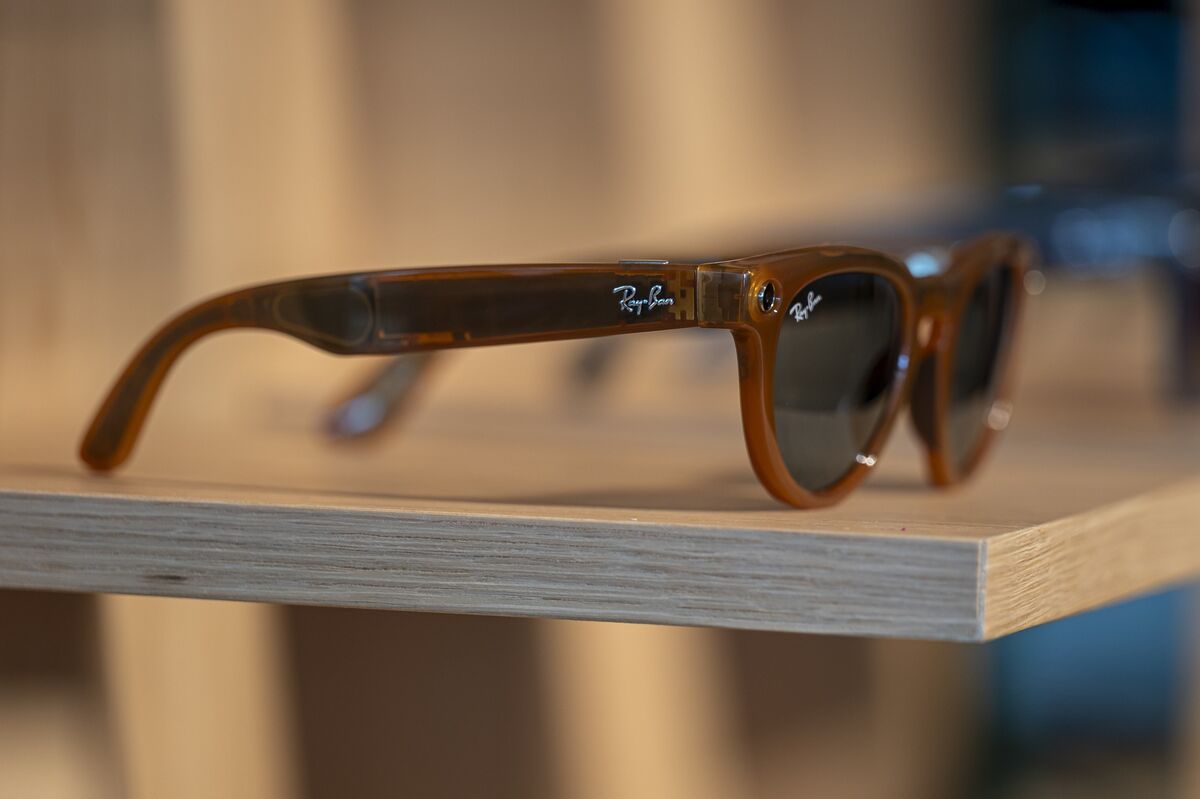
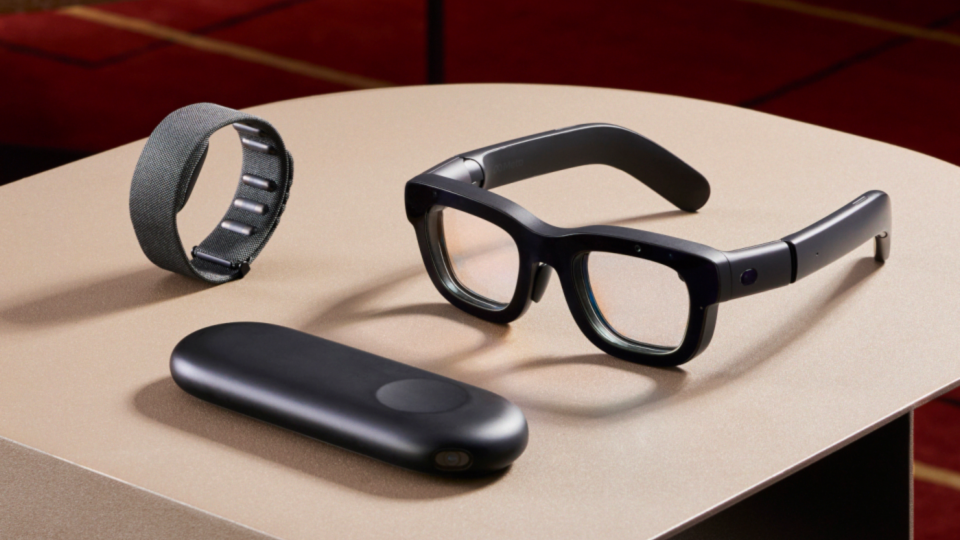
Baidu Inc. is poised to enter the competitive world of AI-powered wearable technology with a pair of smart glasses designed to rival Meta’s successful Ray-Ban collaboration. The Chinese tech giant, known for its leadership in search and artificial intelligence, plans to unveil the new product at its upcoming Baidu World event in Shanghai. Set to feature a built-in AI assistant, the glasses will integrate Baidu’s cutting-edge Ernie foundation model, enabling voice interactions and seamless connectivity for users.

The glasses are equipped with advanced features, including built-in cameras for capturing photos and videos, a nod to the trend of integrating digital tools into everyday wearables. These capabilities position Baidu’s product as a direct competitor to Meta’s Ray-Ban Stories, which have gained significant traction in recent years. While Meta’s smart glasses have evolved in functionality, Baidu aims to offer a compelling alternative with its unique AI-driven approach.

This move aligns with the broader trend of tech companies seeking to capitalize on the potential of AI to enhance consumer hardware. Baidu, having invested heavily in AI technologies, sees this as a strategic step to monetize its advancements and expand its presence in the hardware market. The success of products like Meta’s smart glasses, which have proven to be a popular choice for tech-savvy consumers, signals a growing market for such devices, which Baidu is eager to tap into.

Despite the rapid innovation in AI-powered gadgets, the market has seen mixed results, with some products failing to meet expectations, such as the Humane AI Pin, while others, like Microsoft’s Copilot+ PC range, have received a warmer reception. Baidu’s entry into this space with its smart glasses will be a key moment in determining whether the company can establish itself as a formidable player in the wearable AI hardware industry. As the event approaches, all eyes will be on Baidu’s offering and how it stacks up against established products like Meta’s Ray-Bans.

Redmi Band 3 Launched with 1.47-inch Display and 18-Day Battery Life: Price and Specs Revealed

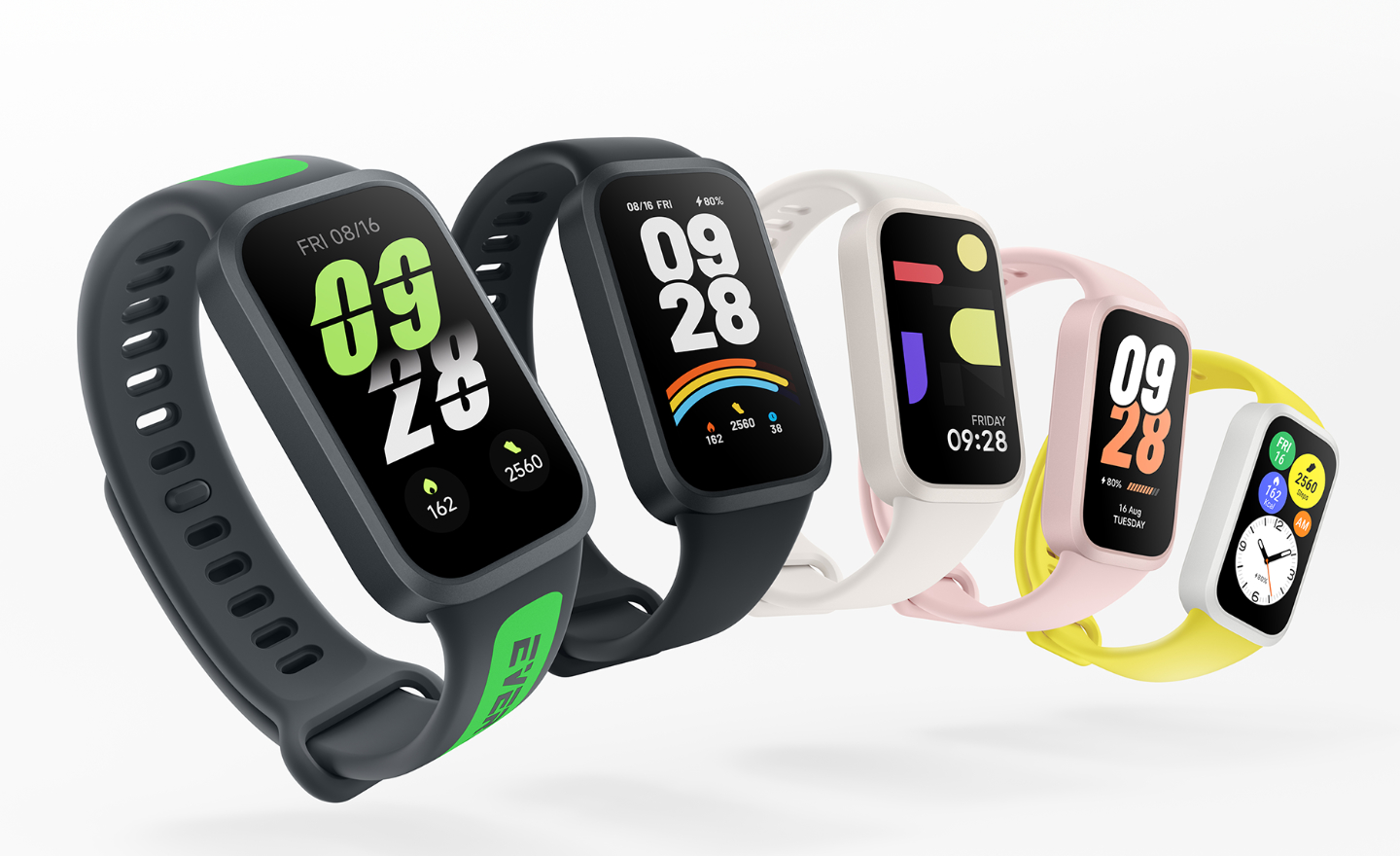
The Redmi Band 3 has officially launched in China, bringing a sleek and feature-packed wearable to the market. This smart band boasts a 1.47-inch rectangular display with a 60Hz refresh rate, offering a clear and responsive user experience. One of its standout features is its impressive battery life, with the device capable of lasting up to 18 days on a single charge. The Redmi Band 3 is designed with health and wellness in mind, offering key tracking features such as heart rate monitoring, blood oxygen levels, and sleep cycle analysis. With a 5ATM water resistance rating, it is also durable enough for various water-related activities.

Health and Fitness Tracking Features

The Redmi Band 3 comes equipped with more than just basic fitness features. It offers 50 preset sports modes to cater to a wide range of athletic activities, helping users track everything from running to cycling. Additionally, the band supports over 100 customizable watch faces, allowing users to personalize the display to suit their style. Running on Xiaomi’s HyperOS, the band promises a smooth, intuitive interface that is easy to navigate, enhancing the overall user experience. Whether it’s monitoring your fitness or tracking sleep patterns, the Redmi Band 3 offers a comprehensive set of tools for those focused on improving their health.

Affordable Pricing and Availability

In terms of pricing, the Redmi Band 3 is very affordable, with a cost of CNY 159, which is approximately Rs. 1,900. It is now available for purchase in China via the Xiaomi China e-store, making it accessible to a wide range of consumers. The smart band offers great value for money, considering the range of features it packs into a compact design.

Color Options and Customization

To cater to different tastes, the Redmi Band 3 comes in five attractive color options: black, beige, dark grey, green, pink, and yellow. These color choices ensure that users can find a style that fits their preferences, whether they are looking for something neutral or more vibrant. With its combination of functionality, affordability, and customization options, the Redmi Band 3 is poised to be a strong contender in the fitness band market.

Apple Wins $250 Million Jury Verdict in Patent Dispute Over Masimo Smartwatch Technology

Apple has secured a significant legal victory in a patent infringement case against health monitoring company Masimo. A federal jury in Delaware ruled that Masimo’s earlier smartwatch models, including the W1 and Freedom, violated two of Apple’s design patents related to smartwatch technology. The case, which is part of a larger intellectual property dispute between the two companies, has drawn considerable attention due to its implications for the smartwatch market.

The jury’s decision marks a win for Apple, affirming its claims that Masimo’s smartwatches and chargers infringed upon its patented designs. Apple had argued that Masimo had used its intellectual property without authorization, particularly the aesthetic and functional aspects of its smartwatch technology that are integral to its product lineup. Apple’s patents cover key elements of the smartwatch design, which the company claims were copied by Masimo in its products.

Despite the jury siding with Apple, the damages awarded were relatively modest. The jury imposed a statutory minimum fine of just $250, a sum that is the lowest possible penalty for patent infringement under U.S. law. This minimal financial penalty comes as a surprise, given the size and prominence of the companies involved. Apple, with its market value hovering around $3.5 trillion, could have potentially sought a much larger financial settlement.

While the small damages may seem anticlimactic, the case highlights broader concerns in the tech industry regarding intellectual property rights. For Apple, this victory sends a message about the protection of its design patents and its willingness to pursue legal action against competitors over intellectual property violations. For Masimo, the verdict is a setback in an ongoing legal battle, as it faces further scrutiny over its products in the smartwatch space. The outcome of this case may have broader implications for how tech companies navigate patent disputes in the future.