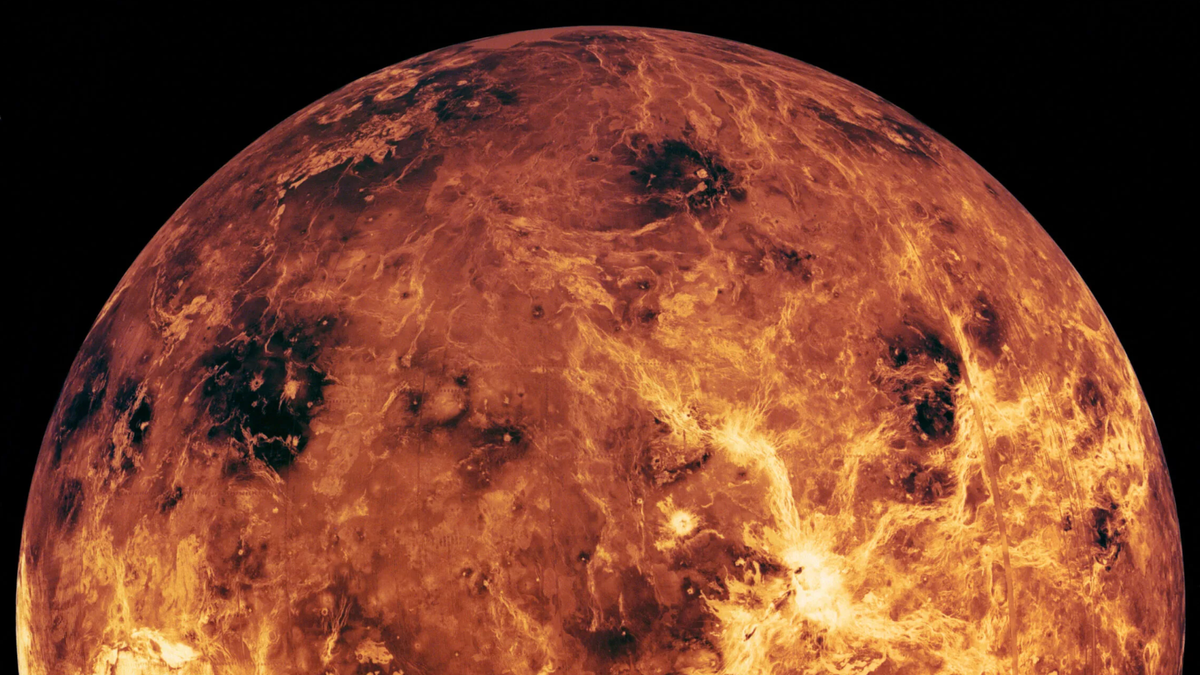
Study Suggests Venus May Have Never Had Oceans, Disputing Previous Theories

A recent study published in Nature Astronomy has upended previous theories about Venus, suggesting that the planet may have never had oceans or conditions suitable for life. The research, led by Tereza Constantinou, a doctoral researcher at the University of Cambridge’s Institute of Astronomy, delved into the composition of Venus’s atmosphere to infer its interior water content. The results paint a picture of a planet that remained dry throughout its history, challenging earlier beliefs that Venus might have once had liquid water on its surface.

One of the key findings of the study centers around the planet’s atmospheric chemistry, particularly the amount of water vapor released during volcanic activity. On Earth, volcanic eruptions are typically associated with significant amounts of water vapor, indicating a water-rich mantle. However, on Venus, volcanic eruptions emit a mere 6 percent water vapor, a stark contrast to the more than 60 percent found on Earth. This substantial difference suggests that Venus’s interior is remarkably dry, which raises doubts about the possibility of liquid water ever existing on its surface.

The research also highlights that, unlike Earth, Venus’s volcanic eruptions do not release significant amounts of water vapor. According to Constantinou, this implies that the planet’s interior—the source of volcanic activity—is similarly dry. This lack of water vapor further supports the hypothesis that Venus has always been devoid of the liquid water necessary to form oceans, oceans that might have otherwise provided the conditions required for life.

These findings challenge past theories that Venus may have had oceans in its early history, potentially making it more Earth-like and habitable. However, the new research suggests that even if Venus once had a more temperate climate, its dry interior likely made it impossible for liquid water to accumulate or persist. As our understanding of Venus continues to evolve, this study raises important questions about the planet’s geological and atmospheric history, offering a fresh perspective on the enigmatic world
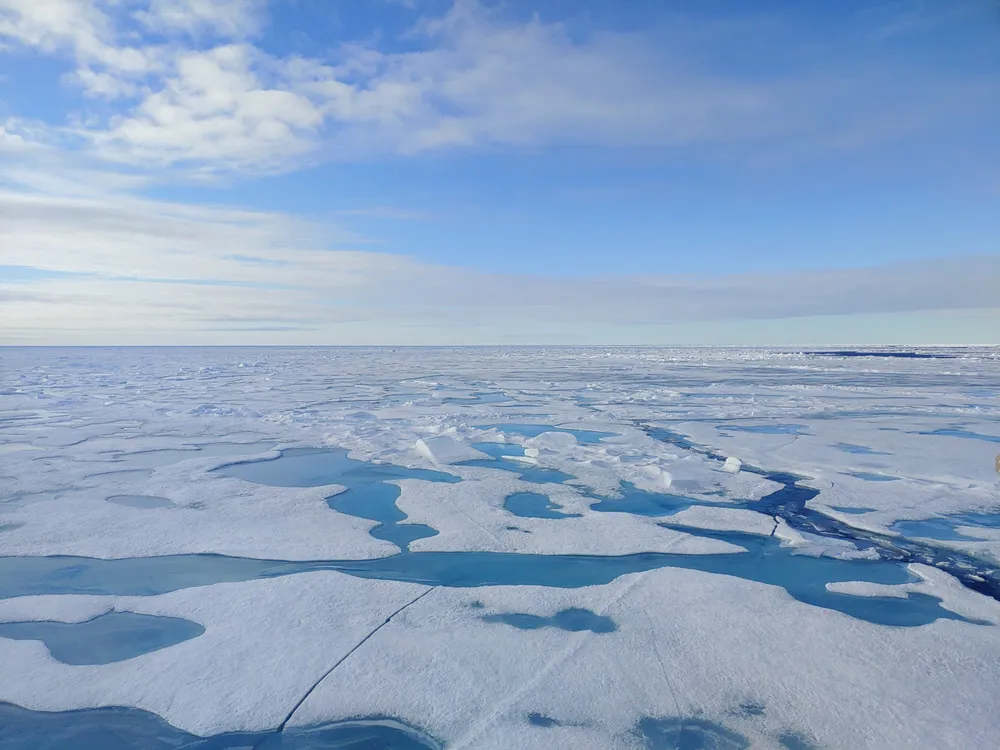
Arctic Ocean Could See Ice-Free Day by 2027, Study Predicts

A recent study published in Nature Communications has raised alarms about the potential for the Arctic Ocean to experience its first ice-free day as soon as 2027. Researchers involved in the study warn that this environmental milestone is likely to occur within the next two decades if significant steps are not taken to reduce greenhouse gas emissions. Through advanced simulations, climatologists have mapped out timelines for this drastic change, underscoring the accelerating pace of climate change in the Arctic region. The study’s findings suggest that the region is warming at an unprecedented rate, which could have widespread consequences for both the environment and global climate systems.

The research, which utilized data from 11 climate models and 366 simulations, revealed that even if emissions are reduced, the Arctic is projected to experience an ice-free day within the 2030s. In the worst-case scenarios, the ice-free event could happen as soon as 2027, signaling an alarming trend. Dr. Céline Heuzé, a lead researcher from the University of Gothenburg, highlighted the importance of understanding what is driving such rapid ice melt. This understanding, she noted, is critical for addressing the broader effects of climate change, which are becoming more evident in the Arctic as well as in other parts of the world.

The loss of Arctic sea ice is not just an isolated environmental concern; it plays a vital role in global temperature regulation and the functioning of marine ecosystems. Sea ice acts as a reflective barrier, helping to maintain the Earth’s energy balance by reflecting sunlight. When this ice melts, darker ocean waters are exposed, absorbing more heat and accelerating global warming through the albedo effect. This vicious cycle not only exacerbates temperature increases in the Arctic but also has the potential to influence weather patterns and sea levels around the world.

Experts agree that the situation requires immediate action to prevent further degradation of the Arctic and mitigate the impacts of climate change. The Arctic is warming at four times the rate of the global average, primarily due to human-induced greenhouse gas emissions. To avert an ice-free Arctic in the near future, climatologists stress the need for drastic reductions in emissions and stronger international policies aimed at preserving vulnerable ecosystems. The melting of Arctic ice is a stark reminder of the broader environmental challenges humanity faces and the urgent need for collective action to protect the planet’s climate.

Study Reveals Ocean Density Impacts Plankton’s Carbon Sequestration Ability

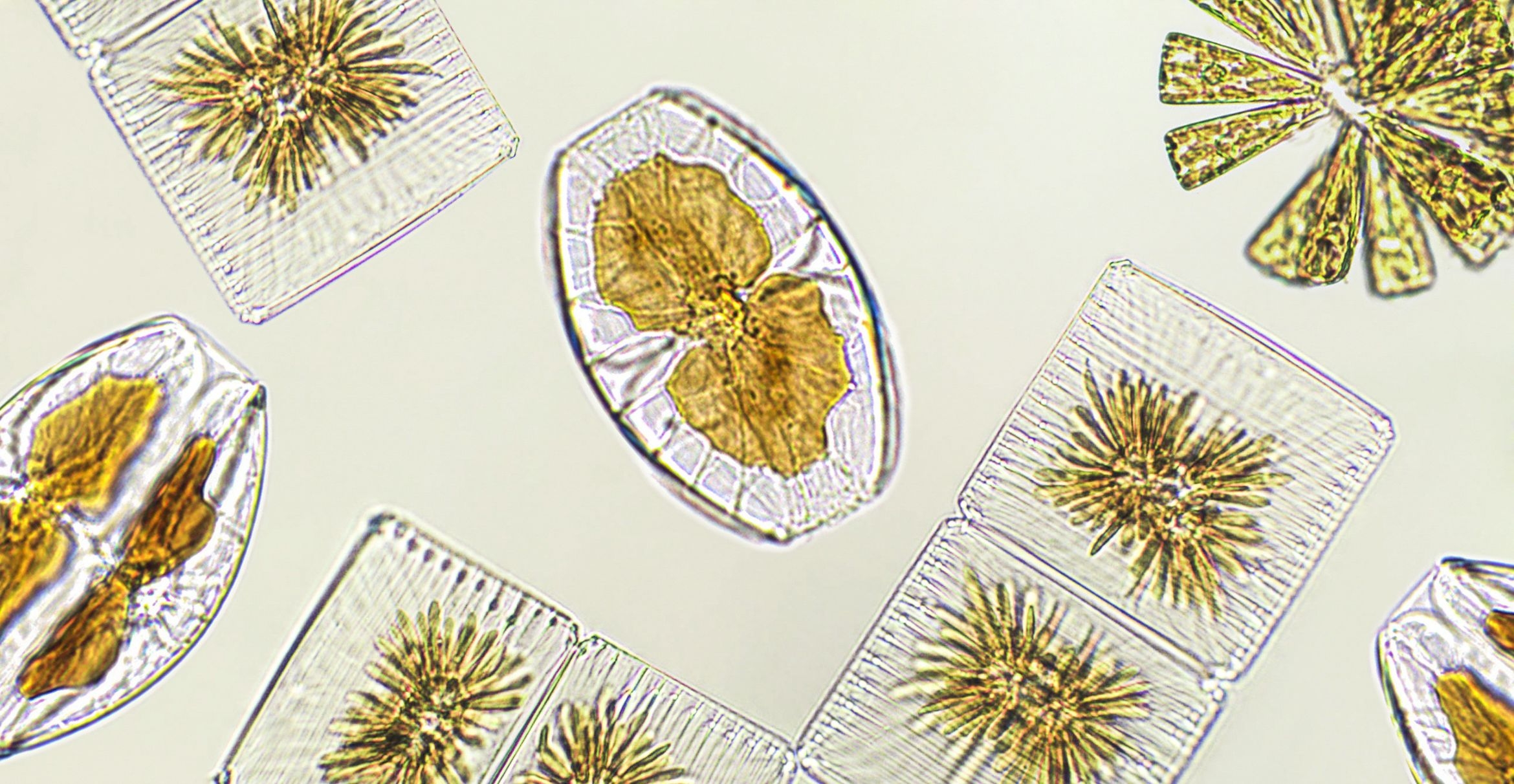
A recent study published in Royal Society Open Science sheds new light on how ocean density affects the carbon sequestration capabilities of marine plankton. This research, led by Dr. Stergios Zarkogiannis from the University of Oxford, explores the intricate relationship between oceanic conditions and the role of plankton in the global carbon cycle. It emphasizes how plankton, specifically foraminifera, contribute to mitigating climate change by absorbing atmospheric CO2 through their calcium carbonate shells. These findings offer crucial insights into the potential impact of climate change on ocean ecosystems and carbon storage.

The study focused on Trilobatus trilobus, a species of foraminifera, which plays a significant role in carbon sequestration. These microscopic organisms build shells made of calcium carbonate, which sink to the ocean floor after their death, effectively locking away carbon for centuries. Dr. Zarkogiannis’s research revealed that changes in ocean density, largely driven by melting ice and the influx of freshwater, can reduce the ability of these organisms to form their shells. As ocean density decreases, foraminifera struggle to sink properly, which affects their contribution to long-term carbon storage.

The findings also suggest that reduced calcification due to low ocean density could have broader implications for oceanic ecosystems. Not only does it hinder the plankton’s role in carbon sequestration, but it also disrupts ocean alkalinity. A decrease in ocean alkalinity reduces the ocean’s capacity to absorb additional CO2, which could further accelerate climate change. This highlights the delicate balance within marine ecosystems and the importance of understanding how ocean conditions influence the carbon cycle.

Dr. Zarkogiannis’s work underlines the urgency of addressing changes in ocean density, which is largely driven by global warming and melting polar ice. As freshwater dilutes seawater and alters its salinity, these physical changes influence the behavior of marine life, including the plankton vital to carbon sequestration. This research could pave the way for more targeted climate models, helping scientists predict how future changes in ocean density may affect the global carbon cycle and, ultimately, the climate.