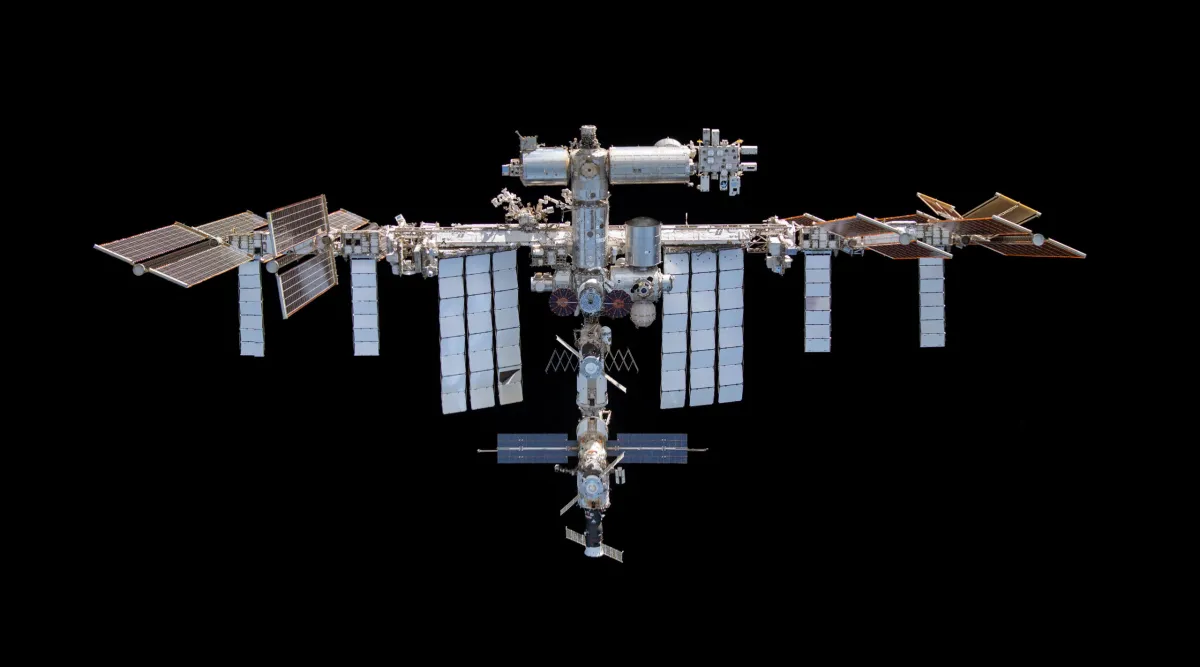
Concerns Over Environmental Effects of ISS Deorbit in 2031 on Oceans and Atmosphere

The planned deorbit of the International Space Station (ISS) in 2031 has sparked discussions on its potential environmental impact. The ISS, weighing around 450 tons and facing various operational issues like coolant leaks and structural damage, is set to undergo a controlled re-entry into Earth’s atmosphere. The spacecraft will be directed toward Point Nemo, a remote area in the South Pacific Ocean often used for deorbiting space hardware, which is dubbed the “spacecraft cemetery” due to its distance from human settlements. However, environmental experts have raised concerns regarding the potential consequences for both the ocean and atmosphere as the ISS burns up during re-entry.

One of the main areas of concern involves the potential impact on Earth’s oceans. While the re-entry is expected to occur over a sparsely populated part of the ocean, environmentalists are wary of the long-term effects of large space objects re-entering the atmosphere. According to experts, although oceanic pollution from such events is minimal when compared to other forms of human activity, it still raises valid concerns about the accumulation of space debris in remote areas like Point Nemo. As space exploration increases, these unregulated disposal practices may become an increasingly significant issue for the global environment.

In addition to the oceans, there are also concerns about the ISS’s controlled re-entry’s impact on Earth’s atmosphere. Physicist Luciano Anselmo from the Space Flight Dynamics Laboratory in Pisa, Italy, pointed out that while the risk of oceanic pollution from space debris is low, the potential effects on the upper atmosphere are still not fully understood. The materials that disintegrate during re-entry may contribute to atmospheric changes or unknown chemical reactions. Further studies are required to assess the full range of atmospheric risks posed by large spacecraft falling back to Earth, particularly when considering the global effects of such high-altitude debris.

Advocacy groups, including Greenpeace International and the Ocean Conservancy, have also voiced concerns about the lack of international regulations
Mealworms: A Potential but Limited Solution to Plastic Pollution and Microplastic Waste

Xreal, a Chinese startup, unveiled its new Xreal One series of augmented reality (AR) glasses, designed to offer an immersive spatial computing experience. The glasses come with the company’s innovative X1 independent spatial computing chip, which is said to provide complete control over spatial screens. Xreal introduced two models within the series: the Xreal One and Xreal One Pro. Both models feature a redesigned optical engine, AI-powered multimodal cameras, adjustable interpupillary distance, and Bose-powered audio, aiming to elevate the AR experience.

The Xreal One is marketed as a cinematic AR device, offering three degrees-of-freedom (3DoF) spatial computing. The X1 chip embedded in the glasses enhances the visual experience by providing a resolution equivalent to 1080p per eye and a 50-degree field of view (FOV). Additionally, the AR glasses offer a significant increase in display area compared to previous models. The Xreal One features a 20.7% larger display area than the Xreal Air 2 series, while the One Pro has a remarkable 63.7% larger display area, creating a more expansive and immersive viewing experience.

Both models come with a variety of customization options, allowing users to adjust the screen size, distance, stabilizer, brightness, display optimization, and even switch between 2D and 3D modes. Other settings include sound preferences, button mapping, and sensor calibration, allowing users to tailor their AR experience to their liking. The Xreal One series is designed to be highly adaptable, offering various display and comfort adjustments like interpupillary distance (IPD) and color temperature settings, making it suitable for a wide range of users.

The Xreal One starts at $499 (approximately Rs. 42,000), while the One Pro is priced at $599 (around Rs. 51,000). Both models are available for pre-order, with the Xreal One shipping to customers later this month. The Xreal One Pro will be available starting in early 2025. The AR glasses will be sold in multiple countries, including the US, the UK, Germany, France, Italy, Japan, China, and Korea, expanding the global reach of Xreal’s cutting-edge AR technology.

Study Reveals Mealworms Can Consume Plastic, But Have Limited Effect on Pollution Crisis

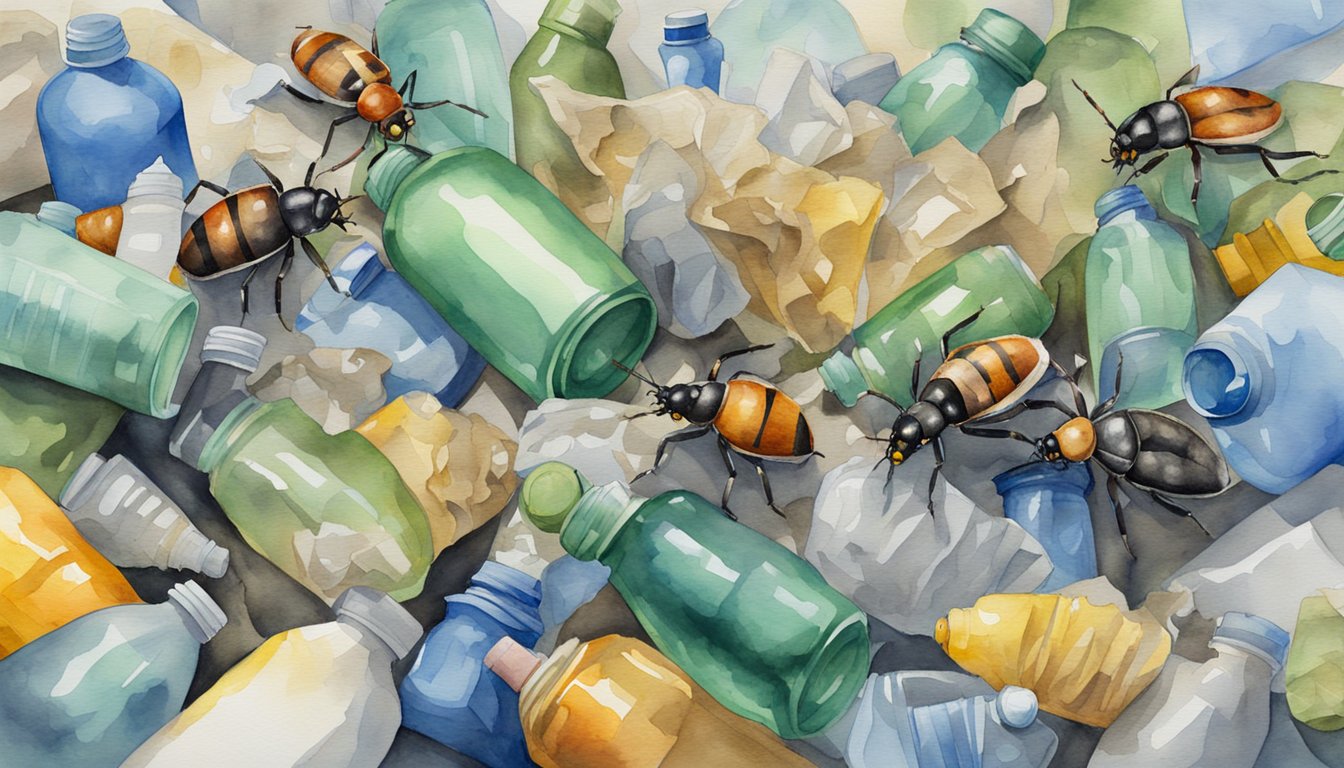
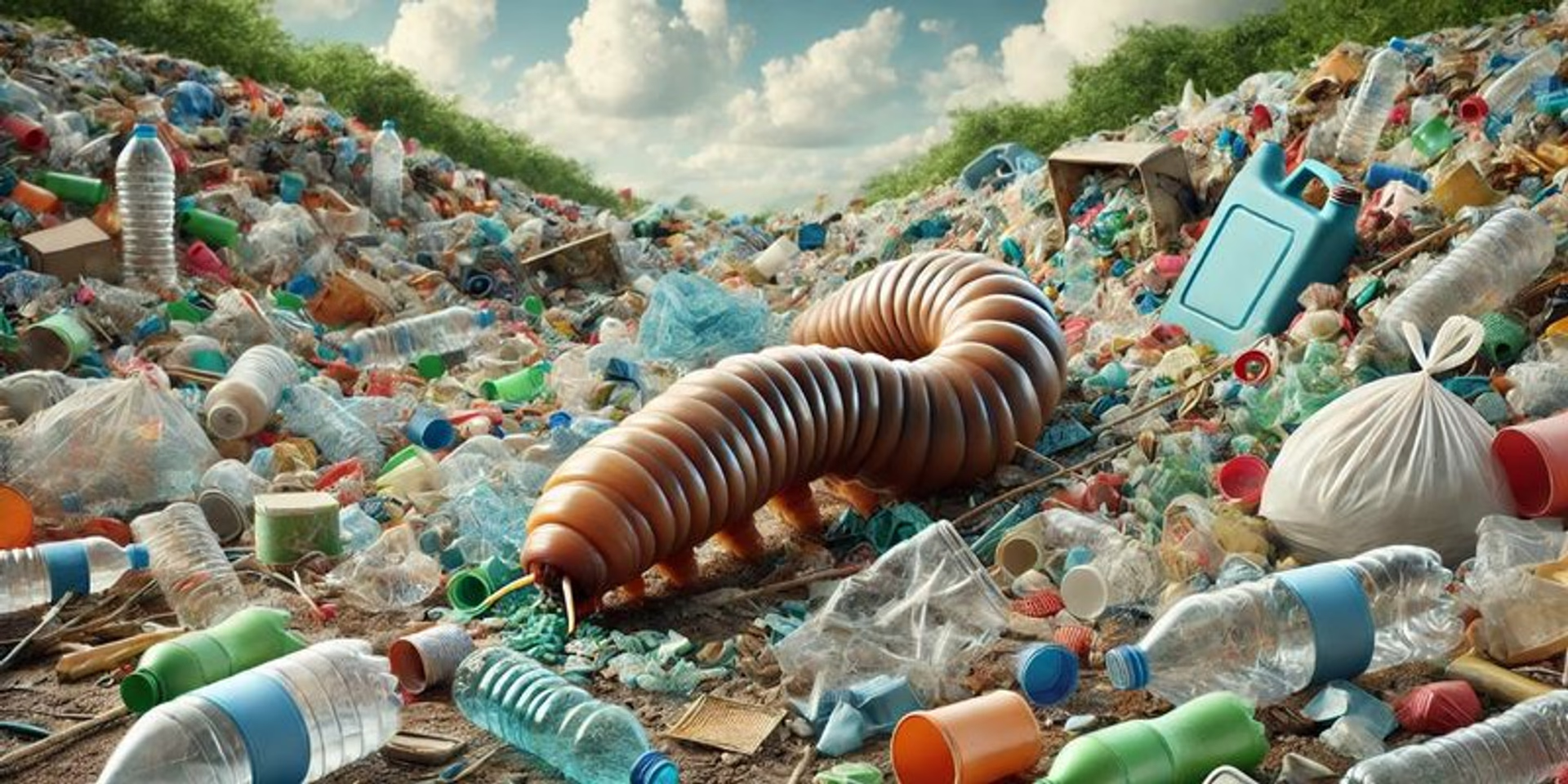
A recent study by researchers at the University of British Columbia has shed light on the limited potential of mealworms in combating plastic pollution. Published in Biology Letters on December 4, the research demonstrates that while mealworms can consume plastic, the process is far too slow to address the growing environmental crisis. The study found that it would take about 100 mealworms approximately 138 days—or nearly 4.5 months—to consume just one disposable face mask made from polypropylene. These findings highlight the impracticality of relying on insect larvae as a large-scale solution for plastic degradation.

Plastic pollution, particularly in the form of microplastics, continues to be a significant global concern. Microplastics, which are plastic fragments smaller than 5 millimeters, have been linked to various health risks, including increased chances of heart attacks and strokes. Previous studies have shown that certain insect species, such as yellow mealworms (Tenebrio molitor) and superworms (Zophobas atratus), can break down certain plastics. However, these experiments typically used powdered or pure plastic forms, rather than the complex, manufactured items like face masks and packaging that are widespread in everyday life.

For this study, led by ecologist Dr. Michelle Tseng, the researchers took a more practical approach by testing disposable face masks, which are made of polypropylene and contain additives from the manufacturing process. To make the plastic more digestible, the team processed the masks into small microbits and mixed them with wheat bran, creating a mixture they dubbed “face-mask granola.” The mealworms were able to consume the granola mixture, demonstrating that they could eat plastic under certain conditions, but at a much slower rate than might be expected for large-scale waste management.

Despite these observations, the study emphasizes the challenges of using mealworms as a viable solution to plastic pollution. The slow consumption rate, combined with the complexity of real-world plastic waste, makes it clear that mealworms alone cannot significantly reduce the growing plastic problem. While insects like mealworms could play a small role in managing plastic waste, addressing the broader pollution crisis will require more comprehensive strategies, including better waste management systems and advances in biodegradable materials.