
Japanese Rocket Epsilon S Engine Explodes Again During Testing for Second Time

On November 26, an explosion occurred during a test of the second-stage engine for Japan’s Epsilon S rocket at the Tanegashima Space Center, raising concerns about the rocket’s development timeline. The incident has put the planned debut of the Epsilon S rocket in March 2025, which was slated to carry a Vietnamese satellite into orbit, into question. With the explosion marking a significant setback, doubts now loom over the rocket’s readiness for its scheduled launch.

This explosion marks the second time in less than two years that the Epsilon S engine has failed during testing. The previous incident occurred in July 2023 at the Noshiro Rocket Testing Center, where a similar engine failure caused considerable damage to the facility. These repeated failures have highlighted potential issues with the rocket’s design, prompting concerns about its reliability and the readiness of Japan’s space program.

In response to the explosion, the Japan Aerospace Exploration Agency (JAXA) has announced an official investigation into the cause of the malfunction. Although the exact cause of the failure has not been determined, the agency has vowed to thoroughly analyze the incident to prevent future occurrences. Takayuki Imoto, the Project Manager for the Epsilon S program, expressed regret over the failure and reassured the public that JAXA would work diligently to resolve the issue.

As JAXA looks into the cause of the engine failure, the future of the Epsilon S rocket remains uncertain. The explosion underscores the challenges faced by space agencies in developing reliable, cutting-edge rocket technology. The agency’s investigation and any necessary redesigns will be crucial in determining whether the Epsilon S can meet its planned launch schedule and fulfill its mission objectives.

Rising Global Heatwave Hotspots Challenge Climate Model Predictions

A recent study published in the Proceedings of the National Academy of Sciences has revealed that many regions around the world are experiencing extreme heatwaves that exceed the predictions of current climate models. These temperature anomalies have been observed across every continent, except Antarctica, and are linked to significant impacts, including thousands of deaths, widespread agricultural failures, and devastating wildfires. The findings point to a growing concern over the limitations of existing climate models, which may not fully account for the increasingly intense and unpredictable heat events occurring globally.

The research, led by Dr. Kai Kornhuber from Columbia Climate School and the International Institute for Applied Systems Analysis, analyzed data from the past 65 years to explore the intensification of extreme heat events. The study found that certain regions are seeing much higher rates of temperature increase compared to moderate zones, resulting in more frequent and extreme heatwaves. These findings suggest that the pace of climate change may be accelerating in ways that were not fully captured by earlier climate models.

One striking example highlighted in the study is the Pacific Northwest heatwave of June 2021, where temperatures in Lytton, British Columbia, reached an unprecedented 121.3°F (49.6°C). This record-breaking heat not only shattered temperature records but also contributed to a wildfire that devastated the town, leaving lasting damage to both the community and the environment. Such extreme events are becoming more common, underscoring the need for better predictive models and increased attention to the growing risks posed by climate change.

The study also underscores the critical need for a deeper understanding of the physical processes behind these temperature extremes. While current models can predict general trends in global warming, they often fail to accurately capture the localized and more extreme weather patterns. This gap in understanding presents challenges for policymakers and communities trying to prepare for and mitigate the impacts of these unprecedented heat events. As climate change continues to disrupt weather patterns, more accurate predictions and robust adaptation strategies will be essential in safeguarding vulnerable populations and ecosystems.

Scientists Unveil New Insights into Baleen Whales’ Hearing Abilities

Breakthrough Study Reveals Baleen Whales’ Ultrasonic Hearing Capabilities

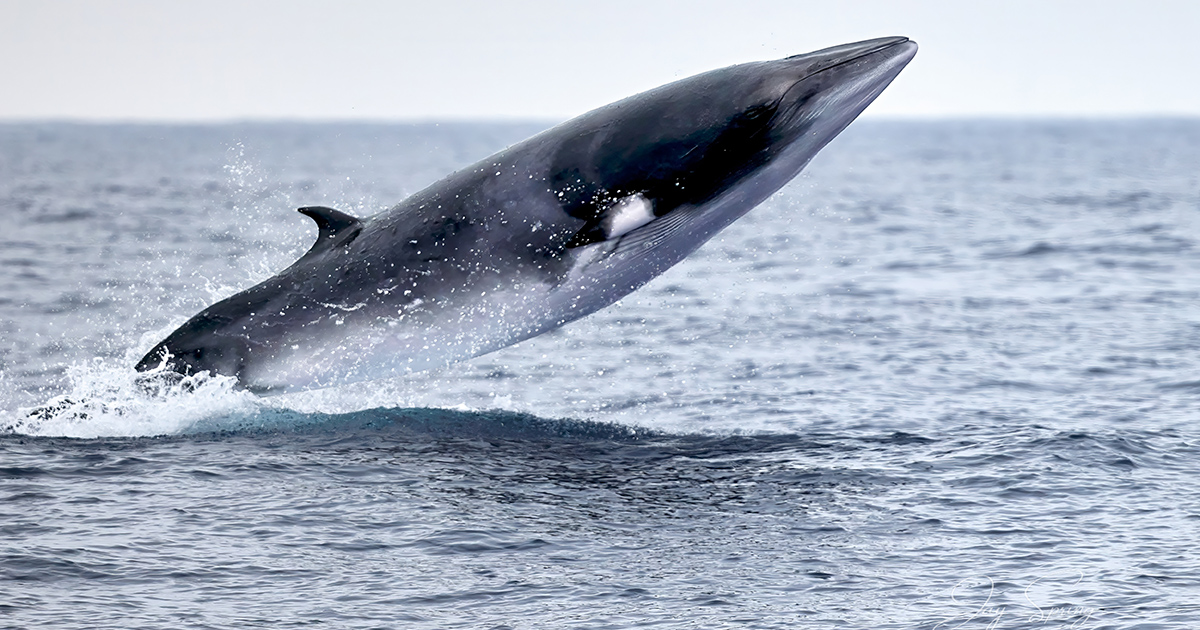
In a groundbreaking study published in Science, researchers have tested the hearing abilities of baleen whales for the first time, uncovering remarkable insights into their auditory range. The study, conducted in 2023, involved capturing two juvenile minke whales off the coast of Norway. Measuring 12 feet long and weighing approximately one ton each, the whales were fitted with gold-plated electrodes on their skin to record brain responses to various sound frequencies. The research revealed that these marine giants can detect ultrasonic frequencies far higher than previously believed, suggesting this ability might play a critical role in evading predators like killer whales.

Controversy Surrounding Research Methods The Minke Whale Hearing Project has sparked considerable debate within the marine research community. Conservation groups and scientists expressed concerns over the ethical implications of temporarily capturing the whales for testing. Organizations such as the Whale and Dolphin Conservation opposed the project, citing the stress and potential harm inflicted on the animals. In 2021, the group sent an open letter to the Norwegian government urging the study’s cancellation, arguing that non-invasive alternatives could achieve similar scientific outcomes without risking animal welfare.

Defending the Research Despite the controversy, proponents of the study emphasized its adherence to rigorous ethical and scientific standards. Brandon Southall, a marine acoustic consultant, stated that the project was conducted under strict protocols and provided invaluable data for shaping ocean noise management policies. Insights from the study are expected to inform regulations under frameworks like the Marine Mammal Protection Act, particularly as underwater noise pollution continues to impact marine ecosystems globally.

Implications for Marine Conservation The discovery that baleen whales can hear ultrasonic frequencies has significant implications for their conservation. Understanding their auditory range can help researchers better predict the impact of human-generated noise, such as shipping and industrial activities, on these animals. Additionally, the findings open new avenues for studying how whales navigate their environment and respond to threats. While the methods used remain a point of contention, the study underscores the importance of advancing marine science to protect these majestic creatures in an increasingly noisy ocean.