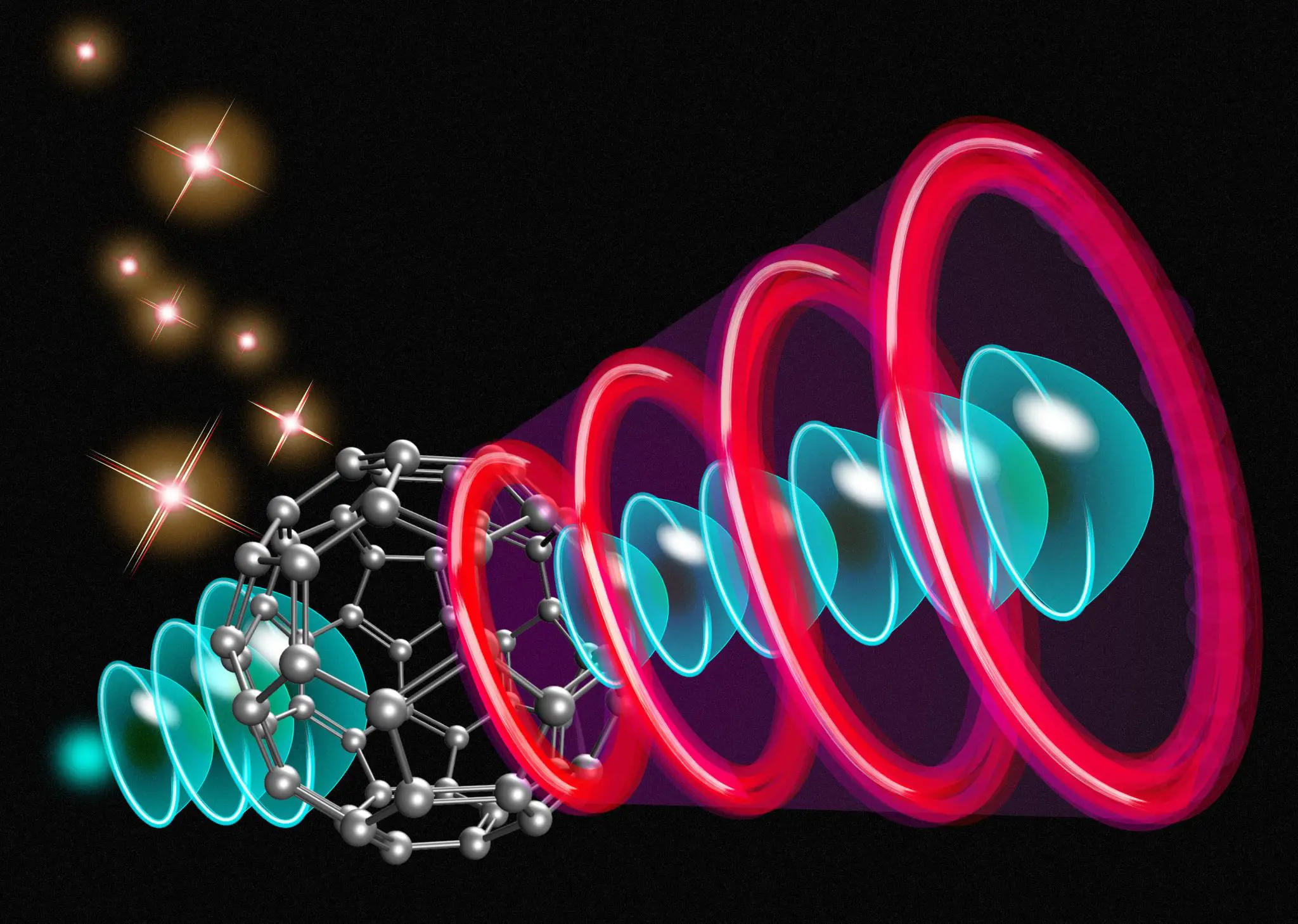
Breakthrough Single Molecule Transistor with Mechanical Control Paves the Way for Faster Electronics
Researchers Develop Single Molecule Transistor with Mechanical Forces, Promising to Revolutionize Electronics Devamını Oku

Researchers Develop Single Molecule Transistor with Mechanical Forces, Promising to Revolutionize Electronics Devamını Oku

Scientists studying Antarctica’s Thwaites Glacier, often referred to as the “Doomsday Glacier,” have uncovered troubling signs that it is melting at an accelerating pace and may be on a path of irreversible collapse. This could have devastating implications for global sea levels. The glacier holds enough ice to raise sea levels by over 2 feet, but its collapse could trigger a much larger increase, potentially up to 10 feet, due to its role as a barrier for the vast Antarctic Ice Sheet. Such a rise in sea levels would threaten coastal communities worldwide, from Miami to the Pacific Islands.
Over the past six years, researchers from the International Thwaites Glacier Collaboration (ITGC) have used cutting-edge technology, including underwater robots like Icefin, to study the glacier’s vulnerabilities. Their findings, described as “grim,” suggest that the glacier is melting faster than previously understood, with warm ocean waters eroding the ice through deep cracks and formations. These mechanisms are contributing to rapid ice loss and could lead to the glacier’s collapse within 200 years.
Though there are some positive signs — like a lower-than-expected risk of towering ice cliffs collapsing rapidly into the ocean — the overall outlook remains dire. The research also revealed that Thwaites began retreating as early as the 1940s, possibly triggered by a strong El Niño event. Despite progress in understanding the glacier, scientists are still unsure if its retreat is now unstoppable, with many fearing that the glacier’s collapse could be inevitable even if humanity reduces carbon emissions.
The study’s conclusion: urgent action is needed, but the future of Thwaites and its global impact remains uncertain.
In the wake of devastating device explosions in Lebanon, surgeon Elias Jaradeh recounted the overwhelming number of severely injured patients that forced him to adopt a “robotic” approach just to continue his work. The attacks, which have been attributed to Israel, resulted in the deaths of 37 people, including two children, and injured around 3,200 others.
Dr. Jaradeh, also an MP for the Change parliamentary bloc, treated numerous victims at a specialized eye and ear hospital. He noted that while many of the injured were young men, a significant number were women and children. Tragically, many patients suffered severe injuries, including the loss of eyesight.
The attacks have not only targeted Hezbollah fighters but also affected innocent bystanders and family members, with Dr. Jaradeh observing that most of the victims appeared to be civilians. “You have to dissociate yourself,” he explained, highlighting the emotional toll on medical staff as they witnessed the nation suffering.
In the aftermath, eye specialist Prof. Elias Warrak revealed that he performed more eye extractions in one night than he had in his entire career, describing the experience as unprecedented. Health Minister Firass Abiad emphasized the life-altering nature of the injuries sustained by the victims, many of whom will require extensive rehabilitation.
Witness accounts describe scenes of chaos and horror in hospitals, with injuries primarily affecting the face and hands. One journalist noted the rapid arrival of ambulances, bringing in patients with severe wounds, while another recounted seeing individuals with horrific facial injuries.
The attacks have reignited traumatic memories from the Beirut port explosion four years ago, when a massive blast resulted in significant casualties. Now, as the Lebanese army destroys suspicious devices and bans walkie-talkies and pagers on flights, the health minister warns of the serious implications of technology being weaponized.
Hezbollah leader Hassan Nasrallah condemned the device attacks as a “massacre” and a “declaration of war,” amid ongoing tensions and cross-border fire with Israel. Both Dr. Jaradeh and Health Minister Abiad expressed grave concerns for the future, suggesting that without a genuine peace process, Lebanon may be bracing for further conflict.