NSF NOIRLab’s Dark Energy Camera Captures Breathtaking Image of Galaxies in the Antlia Cluster

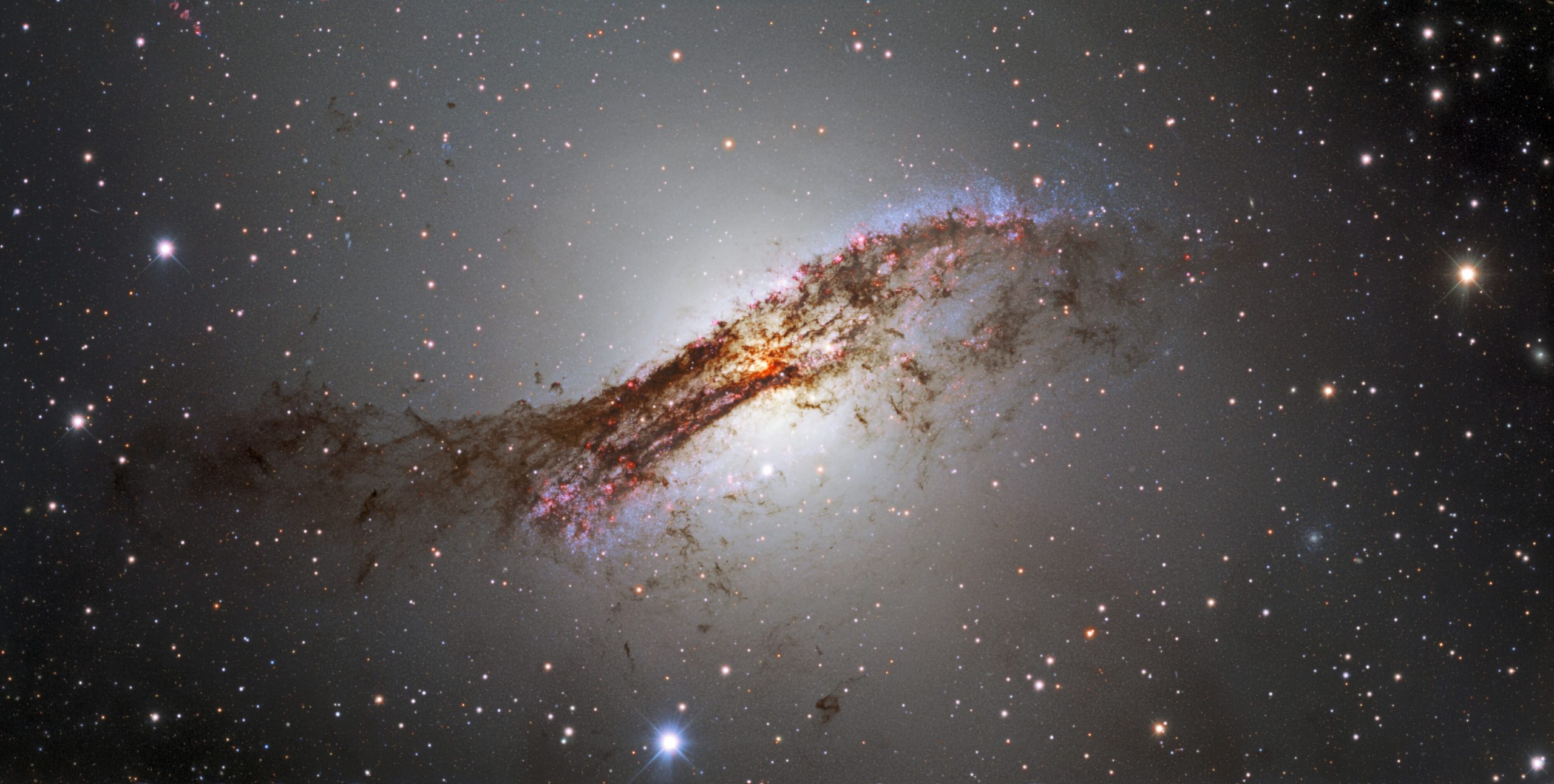
The Dark Energy Camera (DECam) has captured a breathtaking image of the Antlia Cluster, offering an unprecedented view of the diverse array of galaxies located about 130 million light-years from Earth in the Antlia constellation. This stunning visual showcases over 230 galaxies, including lenticular, irregular, and ultra-compact dwarf galaxies. The image highlights two dominant elliptical galaxies, NGC 3268 and NGC 3258, which stand out in the cluster. Produced at the Cerro Tololo Inter-American Observatory in Chile, this detailed image provides astronomers with a deeper understanding of the complex structure of the cluster.

The Antlia Cluster, also known as Abell S636, has been the subject of extensive study under the Antlia Cluster Project. This project includes observations from both ground-based telescopes and space observatories, aiming to uncover the secrets of galaxy evolution and dark matter. By identifying faint dwarf galaxies, compact ellipticals, and blue compact dwarfs, researchers have gained valuable insights into the nature of galaxy formation. X-ray studies of the cluster have further suggested that its formation may involve the merging of smaller galaxy groups, with a “rope” of globular clusters detected near its central galaxies, supporting the hypothesis of a dynamic merger history.

Within the Antlia Cluster, a variety of galaxy types are present, each offering clues about the evolutionary processes of galaxies in such environments. Lenticular galaxies, which are characterized by their disk-like structure and low star formation rates, are particularly common in this cluster. These galaxies bridge the gap between elliptical and spiral galaxies, making them an important subject of study for understanding the lifecycle of galaxies. Additionally, the presence of ultra-diffuse and dwarf spheroidal galaxies, although not yet fully confirmed, suggests that the cluster may host some of the most rare and enigmatic types of galaxies known to astronomers.

The advancements in observational technology, such as the high-resolution imaging capabilities of DECam, have allowed astronomers to detect and study low-luminosity galaxies that were previously difficult to observe. These discoveries are helping to unravel the mysteries of galaxy formation, shedding light on how different types of galaxies evolve and interact within clusters. As the Antlia Cluster Project continues, it promises to enhance our understanding of the role of dark matter and the complex processes that govern galaxy formation in the universe.
Solar Storm Creates Stunning Northern Lights Display Across the Western Hemisphere on New Year’s Eve

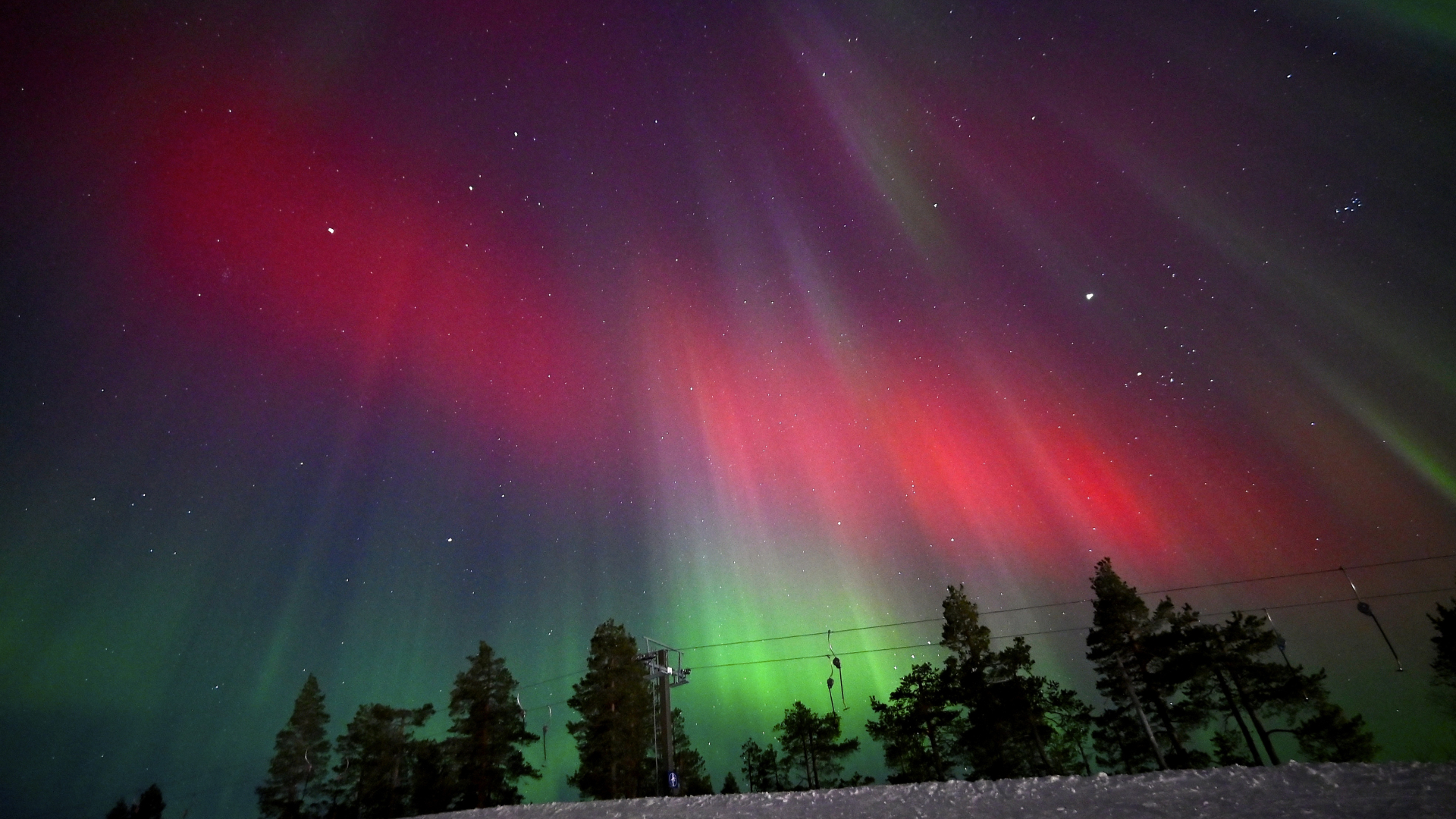
A stunning display of the northern lights illuminated the night skies as the world welcomed the New Year. This breathtaking auroral event, triggered by powerful solar storms, captivated observers from the central United States to Europe. The vibrant ribbons and pillars of green and red light painted the skies, with the aurora visible as far south as California in the United States and Austria and Germany in Europe. The spectacle lasted into the early hours of January 1, drawing stargazers and photographers eager to capture the celestial show.

The spectacular display was a result of intense geomagnetic activity caused by solar storms on New Year’s Eve. The solar events, linked to coronal mass ejections (CMEs) from the Sun, collided with Earth’s magnetic field, producing the auroral phenomenon. These CMEs released high-energy particles that traveled toward Earth, triggering geomagnetic storms. According to the National Oceanic and Atmospheric Administration (NOAA), the storms began at a G1-level intensity but intensified to G3-level disturbances by January 1, making the northern lights more visible across various regions.

The interaction between the solar particles and Earth’s magnetosphere caused atmospheric gases to ionize, releasing energy in the form of light. This energy emitted as colorful glows in the sky, with green and red being the most prominent hues in the northern lights. While this phenomenon, known as the aurora borealis, typically occurs in the Northern Hemisphere, a similar light show, called the aurora australis, can be seen in the Southern Hemisphere.

This celestial event served as a reminder of the dynamic relationship between the Earth and the Sun. While such solar storms can sometimes disrupt satellite communication or power grids, their ability to create awe-inspiring natural light displays is a beautiful byproduct of solar activity. As scientists continue to study these phenomena, public interest in space weather and its effects on Earth only grows, with events like the New Year’s Eve aurora offering a visual spectacle for people around the world.

Mars May Harbor Hidden Methane Deposits Beneath Its Crust, Potentially Supporting Alien Life

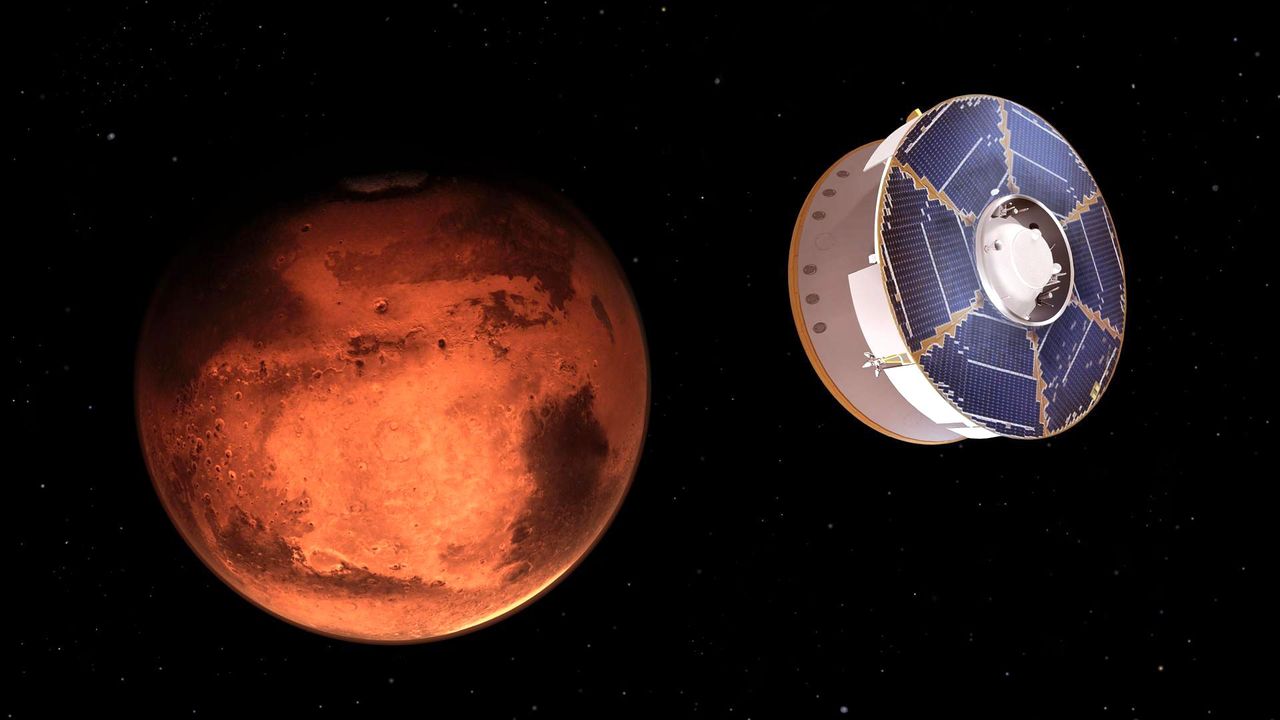
Scientists have identified potential habitats on Mars where life may exist, particularly in deep underground regions where methane has been detected. Over the years, seasonal variations in methane levels observed by rovers on the Martian surface have raised significant interest. These findings have led researchers to explore the possibility that Mars could host microbial life, despite its harsh environmental conditions. With subzero temperatures, a thin atmosphere, and high levels of cosmic radiation, the surface of Mars is far from hospitable. However, underground areas may offer a more stable and protective environment for certain forms of life.

A recent study published in the journal Astrobiology examined Earth environments that resemble conditions on Mars to better understand the potential for life on the Red Planet. Researchers focused on places where methanogens, microbes that produce methane as a byproduct, are known to thrive. These microorganisms are capable of surviving in extreme environments, much like those believed to exist on Mars.

One such Earth analog is microscopic fractures found deep within bedrock, where methanogens can survive by metabolizing minerals. Similarly, subglacial freshwater lakes and highly saline deep-sea basins have been identified as habitats where methanogens flourish. These environments are characterized by their isolation from the surface, extreme pressure, and the presence of minerals that could support microbial life, similar to what may be found beneath Mars’ surface.

The existence of methane-producing microbes in these Earth environments suggests that life forms capable of surviving in Mars’ subsurface could also be possible. If methane is indeed being produced underground on Mars, it could indicate active microbial processes, offering a compelling reason to explore these regions further. The potential for life beneath Mars’ crust continues to intrigue scientists, and future missions to the planet may focus on these hidden, methane-rich areas to unlock the mysteries of Martian life.