
OpenAI Faces Criticism After Revealing Methods for Assessing ChatGPT Users’ Mental Health Concerns

OpenAI has drawn mixed reactions after publishing new details about how it evaluates and responds to potential mental health concerns among ChatGPT users. In a blog post released on Monday, the company explained that it has built a structured “safety evaluation mechanism” to detect signs of distress, suicidal ideation, or unhealthy emotional reliance on the chatbot. As part of this system, OpenAI has developed extensive “taxonomies” — internal guides that define sensitive conversation types and outline how the model should respond. While the company says the framework was created in consultation with clinicians and mental health professionals, critics argue that the initiative raises ethical and privacy concerns.

According to OpenAI, the new safety system is designed to help ChatGPT identify users who might be in emotional crisis and steer them toward professional support rather than attempting to intervene directly. The company stated that its large language models (LLMs) are now trained to recognize emotional distress, de-escalate tense conversations, and offer crisis hotline information when needed. Additionally, OpenAI said that sensitive chats can be “re-routed” to specialized, safer versions of the model to minimize potential harm or miscommunication during vulnerable moments.

The backbone of this effort lies in the newly created taxonomies — detailed classification systems that guide the AI in distinguishing between different types of sensitive interactions. These taxonomies also define what constitutes undesired or risky behavior from the model, such as giving inappropriate advice in response to a mental health query. OpenAI emphasized that detection accuracy is still a major challenge, and that the system is tested rigorously before being rolled out. It also clarified that it does not monitor users’ conversations continuously but relies on structured testing environments to assess safety performance.

However, the update has sparked backlash among some users and privacy advocates, who see the move as intrusive and potentially paternalistic. Critics worry that labeling and rerouting conversations based on perceived emotional content could lead to overreach, false positives, or a chilling effect on users who seek open, judgment-free discussions. Others argue that while the goal of improving safety is commendable, mental health support should remain firmly in the hands of trained professionals — not automated systems. As OpenAI continues refining its approach, the debate underscores a growing tension between AI safety innovation and user autonomy in emotionally sensitive spaces.

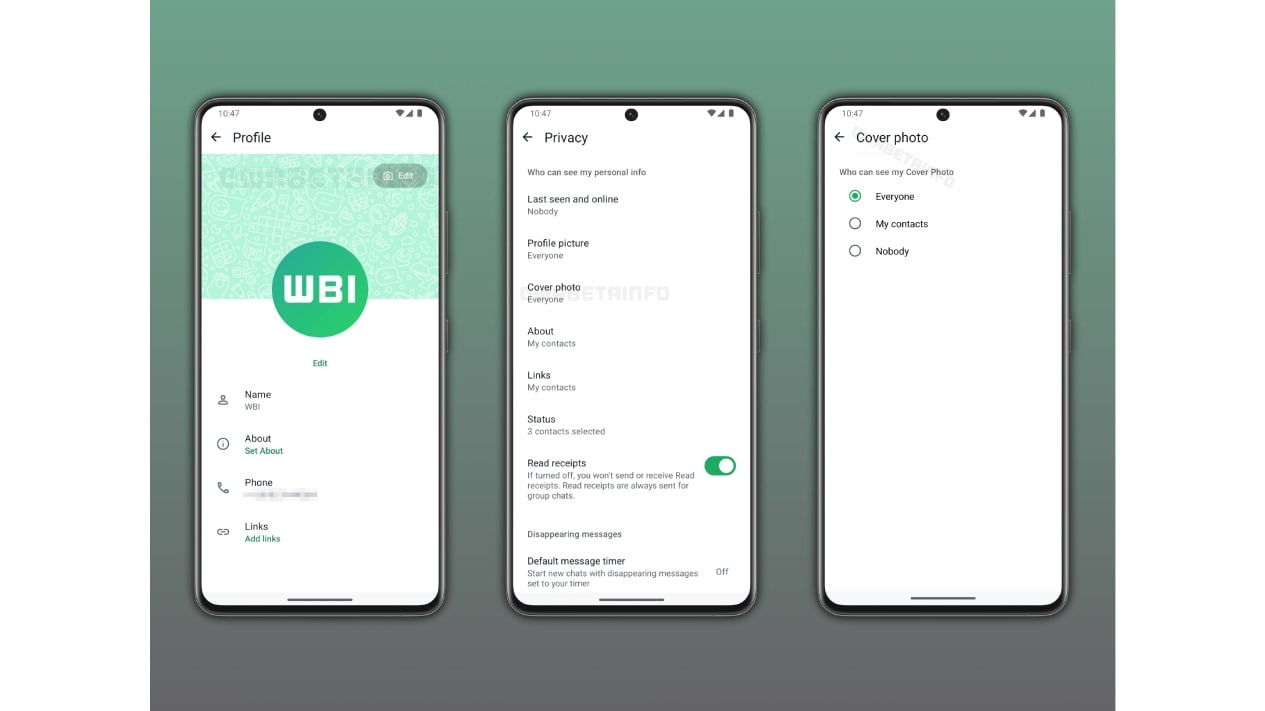
WhatsApp Reportedly Testing Profile Cover Photos Feature Similar to Facebook and LinkedIn

WhatsApp may soon offer users more ways to personalize their profiles. Traditionally, the messaging app has limited customization options to profile pictures and short status updates, but that could soon change. According to recent reports, WhatsApp is developing a feature that will allow all users—not just business accounts—to add a profile cover photo, similar to what’s already available on Facebook and LinkedIn. This marks another step in Meta’s ongoing effort to make WhatsApp more expressive and visually engaging.

As revealed by feature tracker WABetaInfo, the new feature is currently under development and has been spotted in early beta builds of the app. It will let users upload a custom image that appears as a cover photo at the top of their profile. Much like Facebook’s layout, this cover image will complement the user’s profile picture, giving contacts a more personalized and visually appealing view when visiting their profile.

cover photo wabetainfo WhatsApp

Currently, only WhatsApp Business accounts have access to a similar feature, which allows companies to display a branded banner image alongside their contact information. Expanding this functionality to all users could reflect WhatsApp’s aim to blur the line between personal and professional identity on the platform. It may also be part of Meta’s broader strategy to bring consistent design elements across its family of apps.

While WhatsApp hasn’t officially confirmed when the feature will be released, it’s expected to roll out in a future update once development and testing are complete. If introduced widely, the cover photo option could encourage users to spend more time curating their profiles, transforming WhatsApp from a simple messaging service into a more dynamic social communication space.

Adobe Introduces YouTube Shorts Editing Support in Premiere App

At Adobe Max 2025, the software leader unveiled a major new partnership with YouTube aimed at empowering short-form content creators. As part of the collaboration, Adobe announced that its Premiere app for iOS will now fully support YouTube Shorts, allowing users to edit, format, and publish their videos directly to the platform. This integration marks a significant step toward making professional-grade video editing more accessible to creators who primarily produce short-form, mobile-first content.

The updated Premiere app is being redesigned with a workflow tailored specifically for Shorts, offering a seamless experience from start to finish. Creators will be able to import clips, apply edits, and upload their finished videos directly to their YouTube channels without ever leaving the app. This streamlined process aims to remove the friction between production and publishing, giving users a faster and more efficient way to bring their creative ideas to life.

Adobe’s decision reflects the growing dominance of vertical, short-form video formats across social media. Originally popularized by TikTok and later adopted by Instagram Reels and YouTube Shorts, this format has transformed the way audiences consume video. By integrating Shorts support, Adobe positions Premiere as a powerful tool not just for traditional filmmakers and editors, but also for digital-native creators who thrive on quick, high-impact storytelling.

In addition to YouTube integration, Adobe also announced several new AI-driven features across its platforms, including enhanced auto-editing, smart captions, and improved scene detection. These tools, powered by Adobe Firefly, aim to speed up content creation while maintaining professional quality. Combined with the new Shorts capabilities, Premiere for iOS is poised to become a central hub for the next generation of creators — blending the flexibility of mobile editing with the power of Adobe’s creative ecosystem.