Chinese SUV Test Raises Concerns for US Automakers
A detailed evaluation by Edmunds of a Chinese SUV has highlighted growing competitive pressure on U.S. carmakers, particularly in technology and pricing.
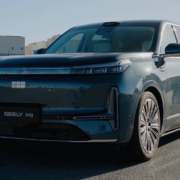
The vehicle tested, the Geely Galaxy M9 from Geely, is an extended-range hybrid SUV priced at around $25,000 in China. Despite regulatory barriers preventing its sale in the United States, Edmunds conducted a full performance assessment, including real-world driving and a 227-point evaluation.
According to Edmunds’ Editor-in-Chief Alistair Weaver, the M9’s features and technology are “ahead” of many vehicles currently available in the U.S. market. The model includes a large 30-inch infotainment display, advanced in-car entertainment features and premium additions such as a built-in refrigerator and exterior speakers.
Performance metrics also stood out. The M9 offers an estimated range of over 800 miles, combining electric driving with a gasoline-powered generator. It can travel approximately 100 miles purely on electric power, exceeding expectations for similar upcoming models in Western markets.
Edmunds concluded that the vehicle competes with significantly more expensive models such as the Hyundai Palisade, Kia Telluride and Toyota Grand Highlander—despite costing roughly half as much in its home market.
While Chinese vehicles remain largely excluded from the U.S. due to tariffs and regulatory barriers, consumer interest is rising. Surveys indicate growing openness to Chinese brands, with some buyers even exploring indirect import routes via neighboring countries.
The findings underscore a broader industry shift. Chinese automakers, operating in a highly competitive domestic market, are delivering feature-rich vehicles at aggressive price points. This dynamic is pushing global competitors, including Ford and Stellantis, to accelerate development of hybrid and next-generation vehicle technologies.
Analysts warn that if access to such vehicles remains restricted, U.S. consumers could face higher prices and slower innovation compared to global markets.