
AMD Supports Crusoe AI Expansion

AMD is reportedly backing a $300 million loan for cloud computing startup Crusoe to finance the deployment of its AI chips.

The arrangement includes a guarantee mechanism allowing AMD to lease back its own hardware if Crusoe is unable to secure sufficient demand from AI developers.

The financing, led by Goldman Sachs, will be supported by the equipment being installed at a new data center project in Ohio.

Crusoe, originally launched in the cryptocurrency sector, has shifted its focus toward building cloud infrastructure for artificial intelligence applications.

The initiative reflects a growing trend among semiconductor companies to support emerging AI-focused cloud providers.
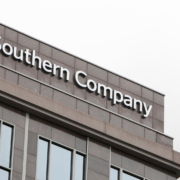

Southern Co Boosts Spending on AI Demand

Southern Co has increased its five-year investment plan as rising electricity demand from data centers and industrial users reshapes energy needs.

The utility now expects to spend about $81 billion between 2026 and 2030, marking a notable increase from its previous plan.

A significant portion of this investment will support expanded power generation to meet growing demand from technology-driven infrastructure.

Major technology firms are among the large customers seeking connections to Southern Co’s grid, reflecting the increasing energy requirements of data centers.

Executives noted that interest from potential high-capacity users continues to grow, highlighting the role of digital expansion in driving electricity consumption.

The updated spending outlook comes alongside rising operating costs and continued pressure on profit expectations.

Court Allows Lawsuit Against Amazon

The Washington Supreme Court has ruled that Amazon must face lawsuits from families who claim the company was negligent in allowing the sale of sodium nitrite linked to fatal incidents.

The unanimous decision overturned a lower court ruling that had dismissed the claims, stating that the lawsuits can proceed under state product liability law.

The families argue that Amazon was aware of the risks associated with the substance yet continued to sell it without additional safeguards.

The ruling does not determine liability but allows the legal process to move forward.

The case highlights ongoing scrutiny of online marketplaces and their responsibilities in managing potentially harmful products.