
Open-source AI models exposed to criminal misuse, researchers warn

Open-source artificial intelligence models are increasingly vulnerable to criminal misuse, as hackers can take control of computers running large language models outside the safeguards used by major AI platforms, according to new research released on Thursday. Researchers warned that compromised systems could be used for spam campaigns, phishing, disinformation, fraud, and other illicit activities while evading standard security controls.

The study was conducted over 293 days by cybersecurity firms SentinelOne and Censys, and examined thousands of internet-accessible deployments of open-source large language models. The researchers identified a wide range of potentially harmful use cases, including hacking, harassment, hate speech, theft of personal data, scams, and in some instances severe illegal content. They said hundreds of models appeared to have safety guardrails deliberately removed.

While thousands of open-source AI variants exist, a significant share of publicly accessible systems were based on models such as Meta’s Llama and Google DeepMind’s Gemma. The analysis focused on models deployed using Ollama, a tool that allows organizations to run their own AI systems. System prompts were visible in about a quarter of observed deployments, and 7.5% of those prompts could potentially enable harmful activity.

Researchers said roughly 30% of the identified systems were hosted in China and about 20% in the United States. Industry experts stressed that responsibility for mitigating risks must be shared across developers, deployers, and security teams, warning that unchecked open-source capacity poses growing global security concerns.

Comcast loses more broadband customers as competition intensifies

U.S. cable and media group Comcast reported a steeper-than-expected decline in broadband subscribers in the fourth quarter, highlighting mounting pressure on its core connectivity business. The company said it lost 181,000 broadband customers, exceeding market expectations, as rivals attracted users with aggressive pricing and alternative internet options.

Competition in the U.S. broadband market has intensified with the expansion of high-speed fiber networks and the growing availability of lower-cost fixed-wireless access services. These offerings have challenged long-established cable providers, forcing Comcast to adjust its strategy. The company said it will hold prices steady this year while revamping service bundles and offering free mobile lines to retain customers.

Despite these efforts, analysts do not expect meaningful broadband customer growth until 2027. Comcast said it aims to convert a significant portion of free mobile-line users into paying customers later this year.

Overall revenue for the quarter reached $32.31 billion, broadly in line with expectations. Results were supported by strong performance at the company’s theme parks division, which posted its best quarter on record, driven by Epic Universe in Orlando. The Peacock streaming service also added subscribers, though higher sports-related costs widened losses.

Google Enhances Android Theft Protection With New Security Upgrades

Google announces global rollout of Android Theft protection features,  teases Identity Check

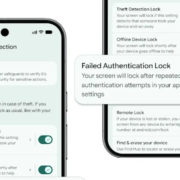
Google has announced a major expansion of its Android Theft Protection system, introducing new features designed to make stolen smartphones far less useful to criminals. The update focuses on protecting user data at every stage of a theft attempt — before, during, and after a device is compromised — reinforcing Android’s security framework.

According to Google, the latest theft protection tools build on existing safeguards by offering users greater control over authentication, improved lockout behaviour, and more robust account recovery options. These enhancements are intended to prevent unauthorised access even if a thief manages to bypass the initial lock screen.

In a recent security blog post, the Mountain View–based company confirmed that the new features are rolling out to devices running Android 16 or later. One key upgrade is the expansion of the Failed Authentication Lock feature, first introduced with Android 15. It now includes a dedicated on/off toggle in settings, allowing users to manage the feature more easily.

Another notable addition is the improved Identity Check system. Apps that rely on Android Biometric Prompt, including third-party banking apps and Google Password Manager, will now require biometric verification when sensitive actions are attempted outside trusted locations. This extra layer of protection ensures that even if a device falls into the wrong hands, critical apps and personal data remain secure.