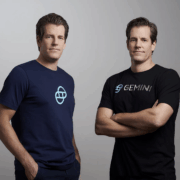
SEC Drops Case Against Winklevoss-Founded Gemini

The U.S. Securities and Exchange Commission has agreed to dismiss its enforcement case against cryptocurrency exchange Gemini, founded by billionaire twins Tyler Winklevoss and Cameron Winklevoss, after investors in its lending programme recovered their assets in full.

The SEC and Gemini filed a joint stipulation in federal court in Manhattan on Friday, citing the complete return of crypto assets to Gemini Earn investors through the Genesis Global Capital bankruptcy process between May and June 2024.

In 2023, the SEC charged Genesis and Gemini Trust Company with illegally selling securities via the Gemini Earn programme, which allowed customers to lend crypto assets to Genesis in exchange for interest. At its peak, the programme held about $940 million in assets before Genesis froze withdrawals in November 2022.

Unlike several crypto firms that collapsed after the 2022 market downturn, Genesis ultimately returned customers’ crypto in kind rather than liquidating assets and paying cash. The SEC said this full recovery made dismissal of the claims appropriate, while stressing the decision does not set a precedent for other cases.

The move reflects a broader shift in U.S. crypto enforcement under President Donald Trump, who has pledged a more industry-friendly regulatory approach. Gemini did not immediately comment on the dismissal.

Samsung to Start HBM4 Production for Nvidia Supply

Samsung Electronics plans to begin production of its next-generation high-bandwidth memory chips, known as HBM4, next month and supply them to Nvidia, a person familiar with the matter told Reuters.

The move marks a key step in Samsung’s efforts to close the gap with local rival SK Hynix, which has emerged as the primary supplier of advanced memory used in Nvidia’s AI accelerators. Earlier supply delays had weighed on Samsung’s earnings and share price last year.

Samsung shares rose 2.2% in morning trade, while SK Hynix shares fell 2.9%. The source declined to disclose shipment volumes. Samsung declined to comment, and Nvidia was not immediately available for comment.

South Korean newspaper Korea Economic Daily reported that Samsung recently passed HBM4 qualification tests for Nvidia and AMD, and is set to begin shipments to Nvidia next month, citing industry sources.

SK Hynix said in October it had completed supply talks with major customers for next year and plans to deploy silicon wafers at its new M15X fab in Cheongju starting next month. It has not confirmed whether HBM4 will be part of the initial output.

Both Samsung and SK Hynix are due to report fourth-quarter earnings later this week, when further details on HBM4 orders are expected. Nvidia CEO Jensen Huang has said the company’s next-generation Vera Rubin AI platform is already in full production and will be paired with HBM4 chips later this year.

Heathrow Rolls Out New Scanners Ending Liquid and Laptop Checks

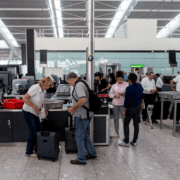
Passengers travelling through Heathrow Airport will no longer need to remove liquids or laptops from their hand luggage, as the airport has completed a full rollout of advanced CT security scanners across all four terminals. Heathrow said it is now the world’s largest airport to operate the technology at every security lane.

The high-resolution 3D scanners allow travellers to keep items such as shampoos, water bottles, tablets and laptops inside their bags during screening, significantly reducing the need for manual checks. Depending on regulatory approval, passengers may also be able to carry liquid containers of up to two litres, potentially ending the long-standing 100-millilitre rule introduced in 2006 after a foiled liquid explosives plot.

Airports in cities including New York, Hong Kong and Dubai have begun adopting similar systems to speed up security processes. Heathrow said the upgrade cost around £1 billion and comes as the airport pursues plans for a third runway.