James Webb Reveals How Distant Planets Form Their Moons
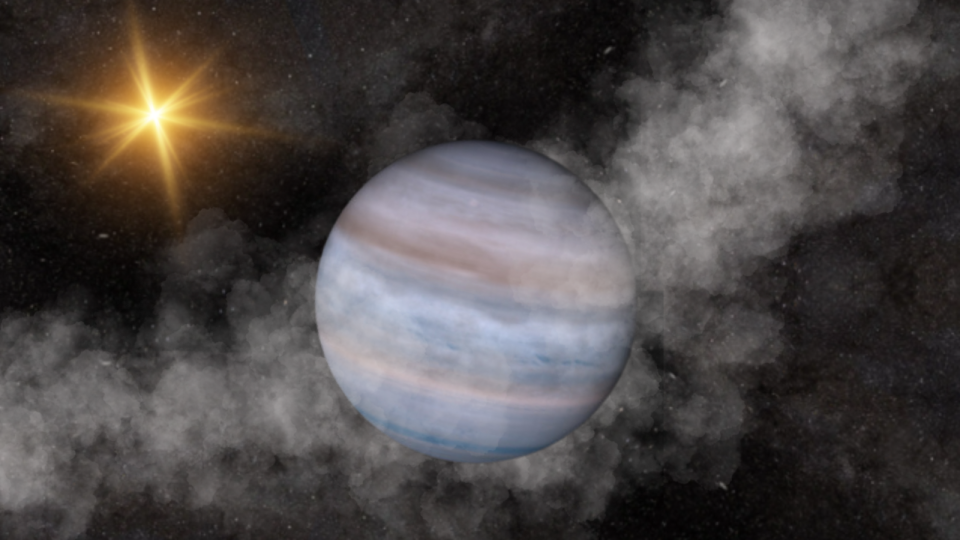
The James Webb Space Telescope is giving astronomers an unprecedented view of how moons may take shape around planets far beyond our solar system. Using its advanced mid-infrared spectrograph, Webb has detected a rich mix of carbon-based molecules in a disk of gas and dust surrounding CT Cha b, a massive planet 17 times the size of Jupiter. Situated 625 light-years away in the constellation Chamaeleon, CT Cha b orbits a young star just two million years old. Scientists believe this chemically rich disk holds the essential building blocks for forming moons.
Recent findings published in The Astrophysical Journal Letters highlight Webb’s detection of molecules such as acetylene, benzene, carbon dioxide, ethane, and hydrogen cyanide. These compounds are thought to play a key role in accelerating the growth of moons, similar to those that orbit Jupiter and Saturn. Lead researcher Sierra Grant emphasized that the observations required careful analysis to confirm the presence of these molecules. The data now solidify previous hints that CT Cha b possesses a complex, moon-forming chemical environment.
CT Cha b orbits its host star at a distance of 440 astronomical units, far enough to allow direct imaging without interference from the star’s glare, making it an ideal target for Webb. While earlier observations suggested the planet-forming disk was relatively poor in carbon, the new findings reveal that the moon-forming disk has developed a rich chemical composition over the past two million years. This discovery provides a rare glimpse into the early stages of moon formation around distant planets.
According to co-author Gabriele Cugno, Webb is opening a new window for observing moon formation in real-time. By studying these disks, astronomers can better understand the materials that contribute to the formation of both planets and moons. Comparisons across multiple systems may also reveal whether this type of chemical evolution is common, offering critical insights into the diversity of planetary systems throughout our galaxy.