Yazılar

Juniper Networks Denies Allegations in DOJ Lawsuit to Block $14 Billion Merger with HPE

Juniper Networks has formally denied the U.S. Department of Justice’s (DOJ) allegations regarding the $14 billion acquisition of the company by Hewlett Packard Enterprise (HPE). In a recent court filing, Juniper stated that the DOJ’s complaint, which seeks to block the all-cash takeover, misrepresents the competitive landscape for wireless network solutions.

DOJ’s Allegations:

The DOJ filed a lawsuit last month, arguing that the merger would lead to reduced competition in the networking equipment market, resulting in Cisco Systems (CSCO.O) and HPE controlling over 70% of the U.S. market. The department claims this dominance could harm consumers and stifle innovation in the industry.

Juniper’s Defense:

In its filing to a federal court in California, Juniper Networks disagreed with the DOJ’s assessment. The company argued that there are at least eight other competitors in the U.S. market offering wireless networking solutions, reducing the potential for anti-competitive behavior. Juniper further stated that Cisco has maintained more than 50% of the market share for over a decade, while the combined share of HPE and Juniper has been less than 25% in the last three years, not approaching a level that would trigger antitrust concerns.

Market Impact:

Juniper contended that the merger would enhance competition, particularly in challenging Cisco’s market dominance. The company emphasized that the combination of HPE and Juniper would not create a monopoly but rather foster greater competition in the sector.

Legal and Political Context:

This lawsuit marks the DOJ’s first significant antitrust action since President Donald Trump’s second term in office. The case is closely watched as it could set a precedent for future mergers and acquisitions in the tech industry.
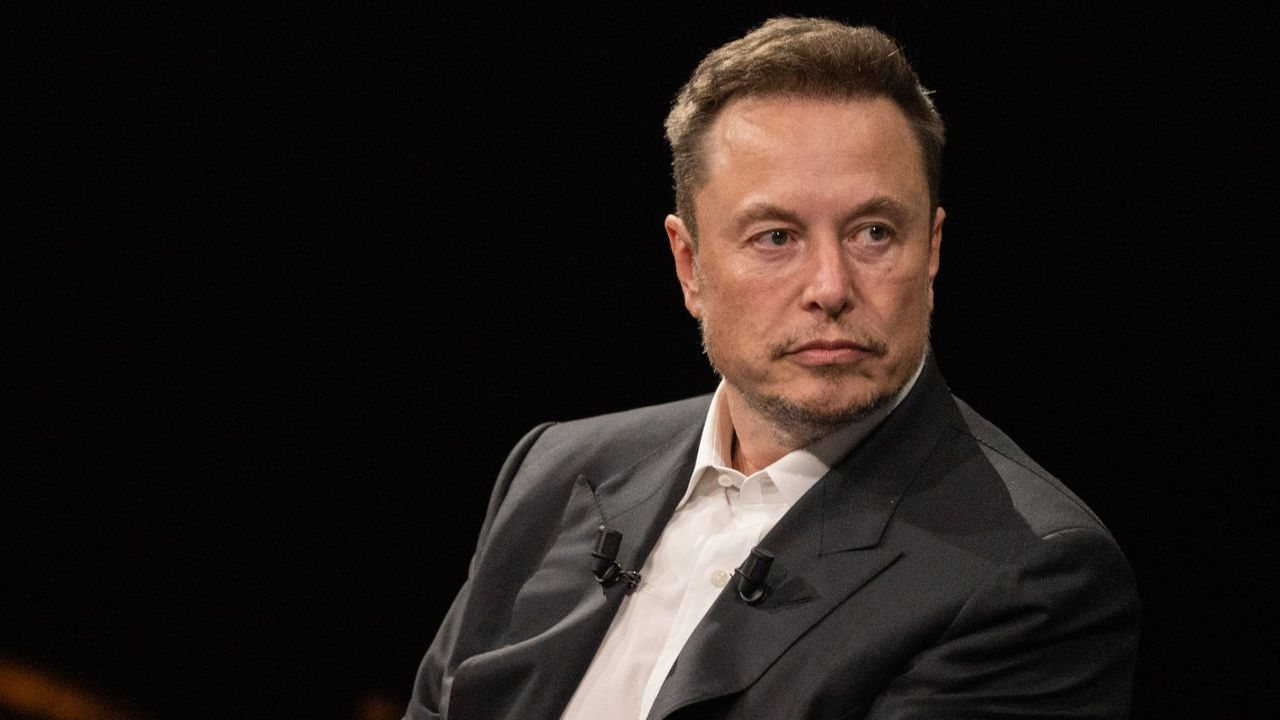
Elon Musk Declines Interest in Purchasing TikTok

Billionaire Elon Musk stated that he has no interest in acquiring TikTok, the popular short-video app that has faced scrutiny in the U.S. due to national security concerns over its Chinese parent company, ByteDance. His remarks were made in late January during a summit hosted by The WELT Group, part of Axel Springer SE, and were released online on Saturday.

Musk’s comments came shortly after U.S. President Donald Trump indicated he would be open to Musk purchasing TikTok. However, Musk emphasized that he has not made any bids for the platform and has no plans for managing TikTok if he were to acquire it. “I don’t use TikTok personally and I’m not familiar with its format,” Musk said, adding that acquiring companies is not his usual approach, as he typically prefers building businesses from the ground up.

This week, TikTok has attempted to bypass restrictions by enabling U.S. Android users to download the app via package kits from its website, as Apple and Google have yet to reinstate TikTok to their app stores following the implementation of a new U.S. law.

The U.S. government has raised concerns that TikTok could potentially share data with the Chinese government, prompting lawmakers to demand the app’s sale or face a ban. While TikTok has denied these allegations, its future remains uncertain.

President Trump, who has signed an executive order to potentially buy TikTok through a sovereign wealth fund, has shown a new interest in the app after previously attempting to block it. Despite past attempts to ban TikTok over security concerns, Trump has more recently expressed a positive view of the app, citing its influence on younger voters.

AMD’s $4.9 Billion Acquisition of ZT Systems Faces EU Antitrust Review

The European Union’s antitrust regulators are set to make a decision by March 12 on U.S. chipmaker AMD’s $4.9 billion acquisition of server manufacturer ZT Systems. AMD announced the acquisition in August 2024, which aims to strengthen its portfolio of artificial intelligence (AI) chips and hardware to better compete with rivals such as Nvidia.

ZT Systems specializes in AI infrastructure, serving some of the world’s largest hyperscale computing companies, including Microsoft and Meta Platforms. The EU’s preliminary review could result in the deal being approved, either with or without conditions. However, if the European Commission has significant concerns, it could initiate a four-month investigation into the deal.

This acquisition is part of AMD’s strategy to expand its presence in the AI sector, where it faces intense competition from Nvidia, which currently dominates the AI chip market.