
Yazılar

Indonesia Antitrust Agency Grants Conditional Approval for TikTok’s Tokopedia Acquisition

Indonesia’s antitrust authority, the KPPU, has given a conditional green light to TikTok’s $840 million acquisition of a 75.01% stake in Tokopedia, the country’s largest e-commerce platform. The deal, completed in January 2024, was previously scrutinized for potential monopoly risks.

The KPPU’s approval comes after TikTok and Tokopedia agreed to meet several conditions designed to safeguard fair competition. These include maintaining open access to payment and logistics services and prohibiting predatory pricing practices that could harm market fairness.

During its probe, the agency had flagged concerns over increased market concentration and the possibility of post-acquisition price hikes due to TikTok’s dominant position. The conditions aim to mitigate these risks and promote a balanced digital marketplace.

TikTok expressed respect for the KPPU’s decision and reiterated its commitment to fair competition principles. The KPPU will continue monitoring compliance with the conditions until June 17, 2027, retaining authority to impose sanctions if violations occur.
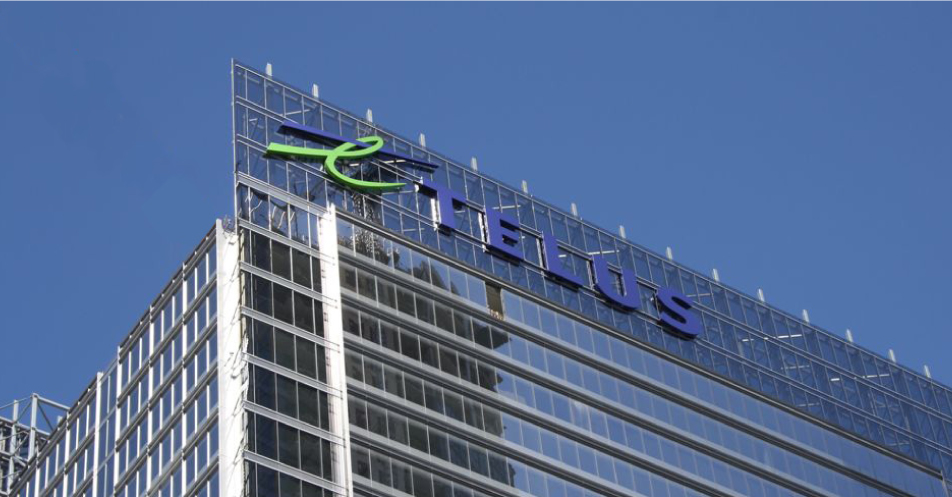

Telus Moves to Fully Acquire Digital Unit to Boost AI Control

Canadian telecom giant Telus announced Thursday its intention to acquire all outstanding shares of its digital services subsidiary, Telus Digital, aiming for greater control over its artificial intelligence capabilities. The offer values Telus Digital at approximately $946.8 million, with Telus proposing to buy the remaining shares at $3.40 each—a 15% premium over the subsidiary’s last closing price.

Currently, Telus owns about 57% of the digital unit directly and through other entities. The subsidiary’s U.S.-listed shares have declined over 24% this year, underperforming compared to Telus’s parent company stock, which has gained nearly 19%.

This acquisition bid highlights Telus’ strategic move to strengthen operational integration of Telus Digital, which supports businesses in adopting AI and developing data strategies amid a global push toward AI technology adoption. CEO Darren Entwistle emphasized that full ownership would accelerate AI capability enhancement and SaaS transformation across Telus’s operations.

In a related investment push, Telus revealed plans last month to invest over C$70 billion (US$51.4 billion) in expanding Canada’s network infrastructure over the next five years, including the launch of two new AI-focused data centers.

Barclays is advising Telus on the transaction.

IonQ to Acquire Oxford Ionics for $1.08 Billion to Boost Quantum Computing Research

U.S.-based quantum computing company IonQ announced on Monday that it will acquire British peer Oxford Ionics for $1.08 billion in a cash-and-stock deal, aiming to strengthen its expertise in the rapidly growing quantum technology sector. IonQ’s shares rose nearly 4% in premarket trading following the announcement, with the company’s market valuation standing at $10.15 billion as of the last close.

Quantum computing, which leverages quantum bits or qubits to perform complex calculations faster and more efficiently than classical computers, has attracted significant investments from tech giants like Microsoft, Google, and IBM. Oxford Ionics specializes in innovative methods to control qubits, a critical focus area in advancing quantum computer performance.

The founders of Oxford Ionics, Chris Balance and Tom Harty, who are also researchers, will continue to work with IonQ after the acquisition closes. The transaction price per share will be set between $30.22 and $50.37 based on IonQ’s stock price in the 20 days preceding deal closure, expected within this year.

Although revenues remain modest for quantum computing companies including IonQ and competitor Rigetti, the technology is viewed as vital for national security and has promising applications in fields such as medical research and cybersecurity.

IonQ has actively expanded its capabilities through acquisitions, including last year’s purchase of Boston startup Lightsynq, which focuses on quantum memory. Meanwhile, Nvidia’s CEO Jensen Huang announced plans to open a quantum computing research lab, signaling growing industry momentum, despite some skepticism about when the technology will be practically applicable.