Yazılar

Africa’s Slow Divide May Pave the Way for Earth’s Sixth Ocean

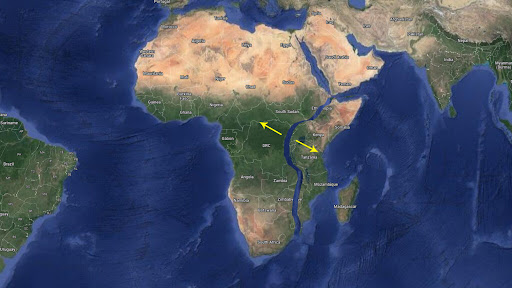
Africa’s landmass is undergoing a slow but significant split, driven by tectonic forces that could eventually lead to the creation of a new ocean. Scientists estimate that in about 50 million years, the ongoing geological activity will have widened the gap enough to allow seawater to flood in, forming what could be Earth’s sixth ocean. This gradual process mirrors the ancient geological shifts that have shaped the planet’s continents, such as the break-up of Pangea around 230 million years ago. Fossil evidence, such as the discovery of Cynognathus, a prehistoric reptile found in both Africa and South America, supports the idea that these continents were once part of a single landmass before splitting apart.

At the heart of this tectonic phenomenon is the East African Rift System (EARS), a vast network of faults running through countries like Kenya, Tanzania, and Ethiopia. The rift, which has been active for millions of years, marks the boundary between two sections of Africa’s tectonic plate—the Nubian plate to the west and the Somalian plate to the east. Over the last 25 million years, this rift has been widening, and the forces driving this split show no signs of slowing. As the land continues to separate, scientists predict that eventually, water will rush in, creating a body of water that could become an ocean.

The scientific community is closely monitoring these geological changes to better understand how the Earth’s crust is evolving. Geologist David Adede notes that the East African Rift has a long history of tectonic and volcanic activity, which continues to reshape the landscape. While the visible movement of the rift may seem slow, deeper shifts within the Earth’s crust are creating weak points that could eventually result in major geological events. However, there is some debate about the specific causes of these developments. Researcher Stephen Hicks suggests that a notable crack observed in Kenya may be more due to recent soil erosion caused by rainfall rather than tectonic forces.

Meanwhile, geologist Lucía Pérez Díaz offers a different perspective, suggesting that the crack may indeed be related to the fault lines in the rift. However, she stresses that further study is needed to confirm the precise mechanism driving this geological activity. Despite the uncertainties, one thing is clear: Africa’s tectonic split is an ongoing process, and its eventual consequences could fundamentally reshape the continent, with the formation of a new ocean standing as one of the most remarkable outcomes of this natural evolution.
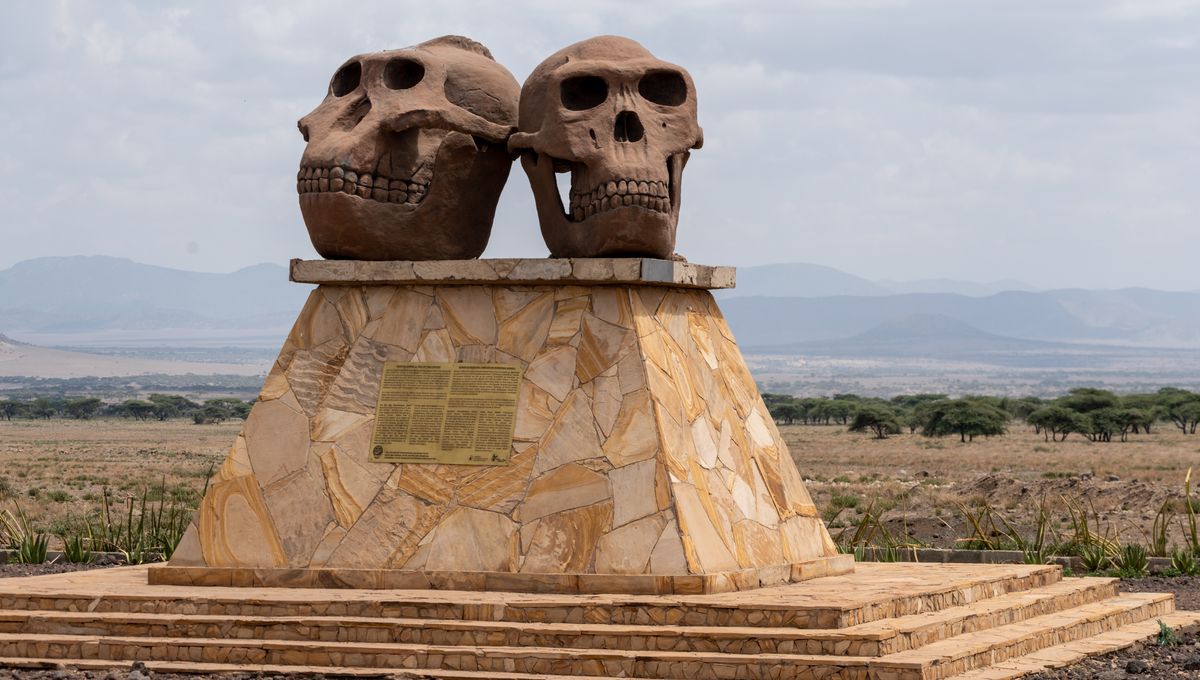
Rift Valley Findings Challenge Its Status as the Sole Cradle of Humankind

New Evidence Suggests Early Humans Had a Wider African Range, Shifting Perspectives on Human Evolution Devamını Oku

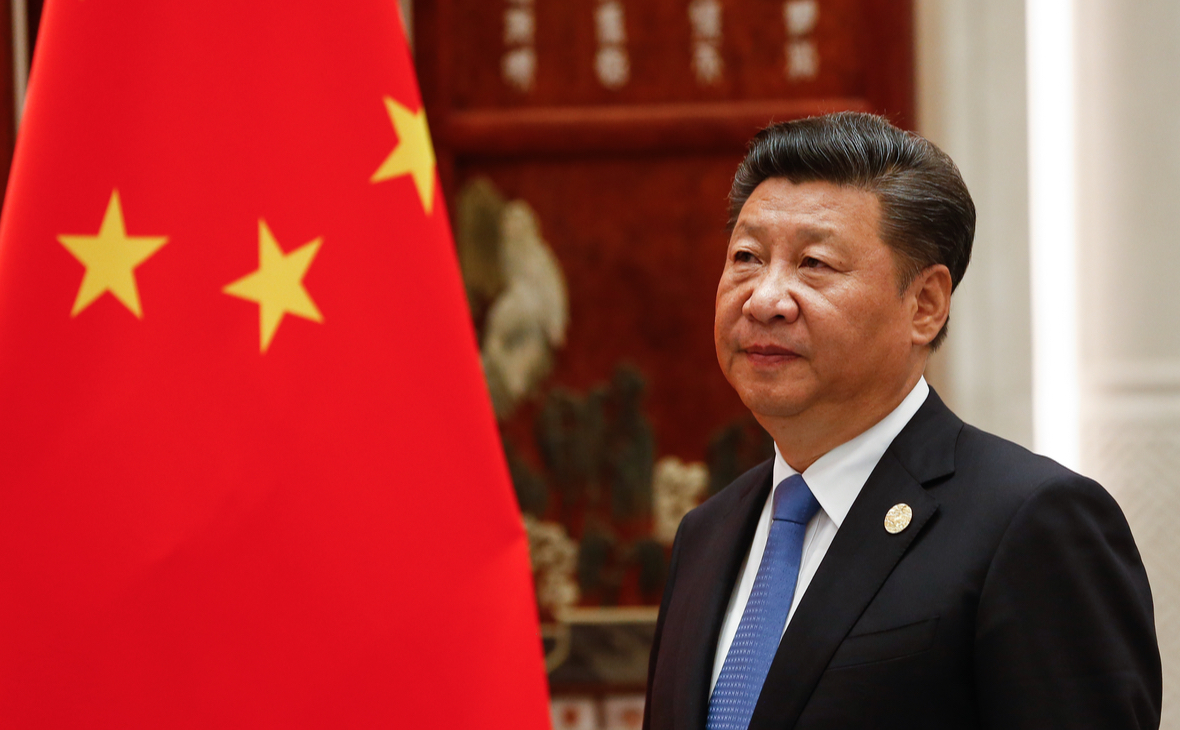
Xi Jinping’s Message to African Leaders: Choose China

During a recent summit in Beijing, Xi Jinping made a clear pitch to over 50 visiting African leaders: choose China as their foremost international partner. The gathering, held in the Great Hall of the People, underscored China’s commitment to deepening ties with Africa and solidifying its role as the continent’s premier foreign ally.

Key Announcements and Promises

  • Financial and Development Support: Xi pledged more than $50 billion in financial support for Africa over the next three years. This includes commitments to create one million jobs, provide tens of millions in food and military aid, and bolster cooperation in various sectors such as industry, agriculture, infrastructure, trade, and investment.
  • Infrastructure Projects: China announced plans to support 30 infrastructure connectivity projects and launch 30 clean energy projects across the continent. These initiatives aim to enhance land-sea links and position Africa as a key market for China’s green technology.
  • Bilateral Agreements: Specific deals included revitalizing the Tanzania-Zambia Railway Authority and developing Nigeria’s transportation, ports, and free trade zones.

Shifts in Chinese Funding Despite the substantial pledges, the total amount of financial support is noted to be less robust compared to previous years. Analysts suggest that the funding for large-scale infrastructure projects may be reduced, reflecting China’s economic slowdown and a strategic shift towards smaller, more sustainable investments.

Debt Concerns The summit also highlighted the ongoing debt crisis in several African countries, exacerbated by substantial Chinese loans. While China’s lending practices have been defended by both Beijing and African leaders, concerns remain about the increased debt burden and the pace of debt relief efforts.

Geopolitical Context Xi’s outreach to Africa is part of a broader strategy to position China as a champion of the Global South and an alternative global leader to the US. By emphasizing historical grievances against Western exploitation, Xi aims to align Africa more closely with China in the global geopolitical landscape.

Competing Interests Despite China’s strong pitch, African leaders are expected to continue balancing their relationships with multiple international partners, including the US. The US and its G7 allies are also actively working to strengthen ties with Africa, presenting alternative partnership opportunities.

Conclusion Xi Jinping’s summit underscores China’s determination to maintain and expand its influence in Africa. While the financial promises and strategic commitments are significant, African leaders are likely to navigate their international partnerships carefully, maintaining a diverse set of relationships to maximize opportunities and mitigate risks.