Yazılar

Microsoft Introduces Two AI Agents to Automate Sales Tasks for Enterprise Clients

Microsoft has introduced two new artificial intelligence (AI) agents designed to assist enterprise sales teams by automating various tasks. These AI-powered tools, named Sales Agent and Sales Chat, are integrated into Microsoft 365 Copilot, allowing businesses to streamline their sales processes. By leveraging AI, Microsoft aims to help professionals reduce manual workloads, convert contacts into qualified leads, and accelerate the sales cycle. The AI agents are now available for enterprise clients to integrate with their existing business data, enabling a more efficient and data-driven approach to sales operations.

In a blog post, Jared Spataro, Microsoft’s Chief Marketing Officer for AI at Work, detailed how these AI agents are designed to enhance productivity within sales teams. Although Microsoft has not explicitly confirmed it, these agents are likely powered by the company’s Copilot technology. Unlike traditional AI assistants, these AI agents are capable of more than just retrieving information—they can take real-world actions, making them powerful tools for automating sales tasks.

The Sales Agent, according to Microsoft, operates autonomously to build and expand a company’s lead pipeline. It can research potential clients, schedule meetings with prospects, and even engage with customers on behalf of the sales team. In some cases, the AI agent might be capable of independently closing sales for lower-impact leads, reducing the workload on human sales representatives and allowing them to focus on high-value deals.

The second tool, Sales Chat, is designed to provide real-time insights and recommendations to sales teams. It can analyze customer interactions, suggest follow-up actions, and assist in crafting personalized responses. By integrating with enterprise data sources, Sales Chat ensures that sales professionals have relevant information at their fingertips, helping them make informed decisions quickly. With these AI-driven innovations, Microsoft continues to push the boundaries of enterprise automation, positioning its tools as essential assets for modern sales teams.
Honor Introduces Alpha Plan: A Three-Step Roadmap to an AI-Driven Future

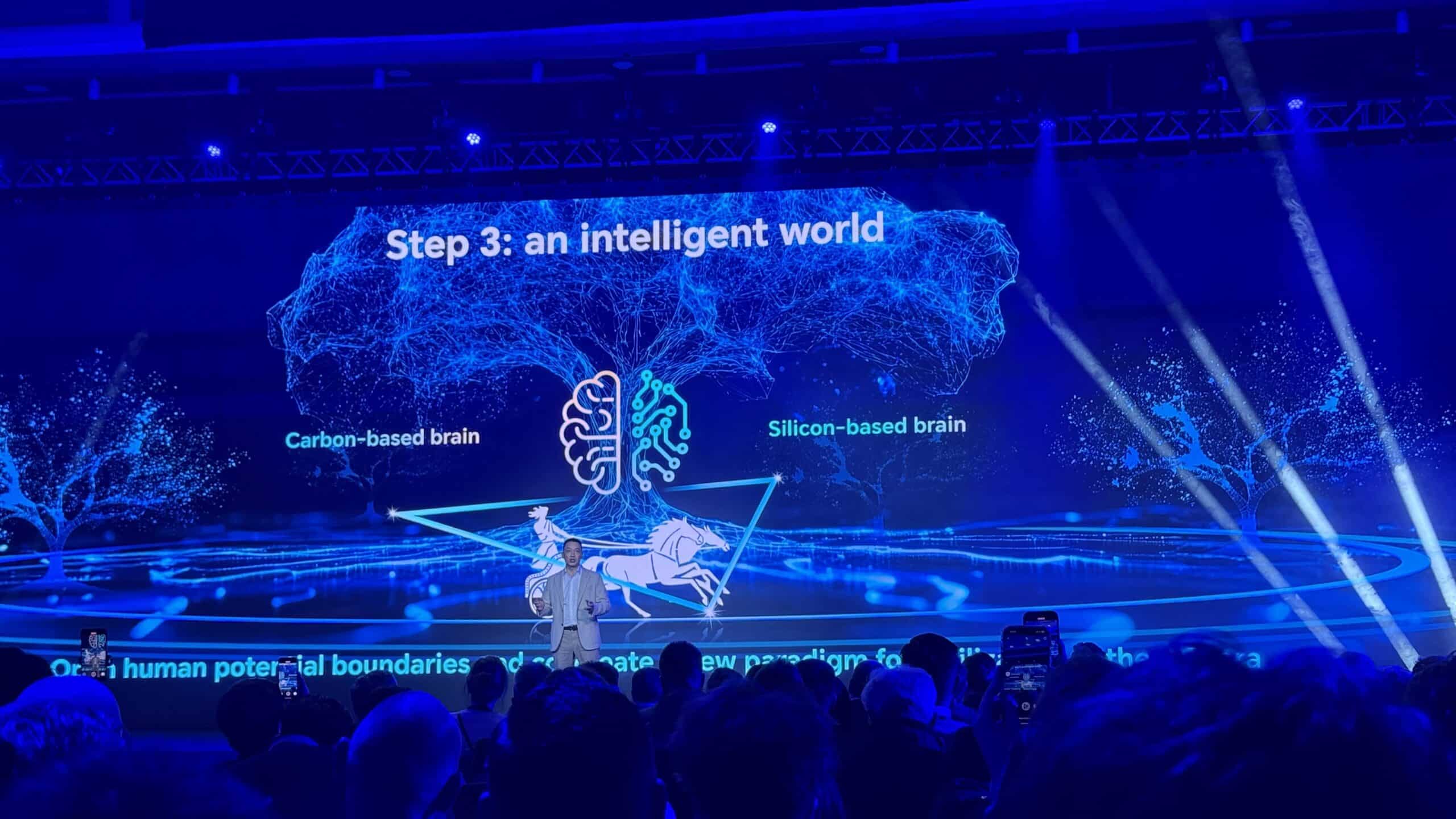
Honor officially introduced its highly anticipated Alpha Plan on Sunday, outlining a three-step vision aimed at fostering an open artificial intelligence (AI) ecosystem. Ahead of Mobile World Congress (MWC) 2025 in Barcelona, the Chinese tech brand unveiled a series of AI-driven innovations, including AI-powered imaging technology for mobile devices, AI agents, and a next-generation AI PC. Additionally, the company emphasized its long-term commitment to expanding AI applications beyond conventional devices, touching on advancements in physical AI (robotics) and artificial general intelligence (AGI).

As part of its AI strategy, Honor detailed the Alpha Plan in a newsroom post, positioning it as a roadmap to becoming a key player in the AI-powered device ecosystem. The company aims to collaborate with leading industry partners such as Qualcomm and Google Cloud to drive innovation in AI hardware and software. To strengthen its ecosystem approach, Honor also engaged telecom giants including CKH Group, Orange, Telefónica, and Vodafone, signaling its intent to integrate AI across multiple technology domains.

James Li, CEO of Honor, underscored the transformative potential of AI in reshaping industries and society. “It is clear that the AI revolution will reshape the paradigm of the device industry—completely transforming our productivity, our society, and even our culture more than ever before,” Li stated. He also stressed the importance of industry-wide collaboration, urging companies to embrace openness in AI development to unlock its full potential.

Honor’s Alpha Plan represents a strategic shift toward AI-centric product innovation, positioning the brand at the forefront of the evolving tech landscape. With AI integration across devices and a strong push toward AGI, Honor seeks to redefine how users interact with technology in their daily lives. As the AI industry advances, the success of this initiative will likely depend on Honor’s ability to foster a seamless and interconnected AI ecosystem with its partners.

OpenAI Unveils New Developer Tools Amid Growing Competition from Chinese AI Startups

OpenAI launched a suite of new tools for developers on Tuesday, designed to help build advanced AI agents using a few key application programming interfaces (APIs). These tools come at a time of increasing competition from emerging Chinese AI startups, which are gaining ground with innovative solutions and low-cost alternatives to industry leaders in the United States.

The new Responses API is a core feature of the update, available to all developers at no additional cost. It replaces the previous Assistants API, which OpenAI plans to phase out by mid-2026. The Responses API offers enhanced capabilities for creating AI agents, which are designed to perform complex, real-world tasks independently of direct human intervention.

This release comes as Chinese AI startups like Monica have gained significant attention. Monica’s autonomous AI agent, Manus, which was launched recently, has been touted as being on par with or even superior to OpenAI’s DeepResearch agent in terms of performance. The company’s Manus AI has attracted praise for its ability to carry out tasks with minimal human involvement, which has generated significant buzz in the AI space.

Additionally, Monica has announced a strategic partnership with the team behind Alibaba’s Qwen AI models, marking another significant move in the growing competition between Chinese startups and established players like OpenAI. This partnership could further accelerate the development and capabilities of AI agents, pushing the industry forward.

As AI technology evolves rapidly, OpenAI’s release of the Responses API underscores its ongoing effort to stay ahead in the competitive landscape, offering developers more powerful tools to create innovative AI solutions. However, as Chinese startups continue to make strides, the battle for dominance in the AI space is heating up.