Yazılar

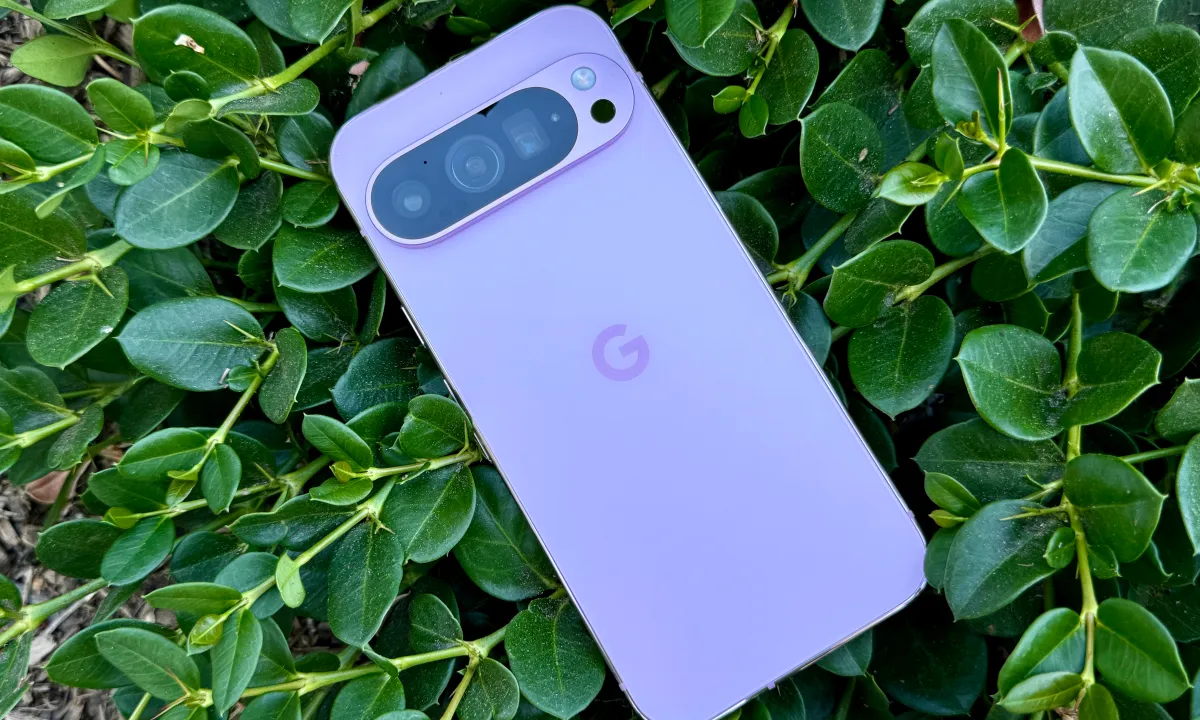
Google Pixel 10 Series to Feature New ‘Pixel Sense’ Contextual Assistant

The upcoming Google Pixel 10 series is set to introduce an innovative new feature—Pixel Sense, a contextual AI assistant designed to provide a more personalized and intuitive user experience. Unlike its predecessors, Pixel Sense will leverage on-device processing, meaning that it will rely less on cloud-based data and more on data already stored on the device. This shift is expected to allow for faster, more secure responses while maintaining user privacy. With the ability to work seamlessly with various Google apps, Pixel Sense aims to offer more relevant and timely information to users.

Pixel Sense is expected to integrate deeply with multiple Google applications, including Google Calendar, Gmail, Chrome, Google Maps, YouTube, and many others. This integration will allow the assistant to offer context-aware suggestions, reminders, and alerts based on the user’s activity across these apps. For example, if a user has an upcoming meeting in Google Calendar, Pixel Sense might prompt them with travel times via Google Maps, or suggest relevant documents from Google Drive. The assistant’s ability to connect with a wide range of apps makes it stand out as a more robust, all-encompassing tool than previous AI assistants.

The new virtual assistant is anticipated to work on Google’s new Tensor G5 chip, which is expected to be integrated into the Pixel 10 series. This chip will be produced by TSMC and promises improved performance and efficiency. With Tensor G5 powering Pixel Sense, users can expect faster processing, better battery efficiency, and improved AI capabilities. The combination of powerful hardware and the new Pixel Sense assistant could make the Pixel 10 series a game-changer in the smartphone market.

At this point, it’s unclear if Pixel Sense will be exclusive to the Pixel 10 series or if it will eventually be available to older Pixel models. However, the integration with Google’s vast ecosystem of apps suggests that the assistant could evolve into a major feature across various devices, making it a cornerstone of Google’s approach to AI and user experience in the coming years. With the Pixel 10 series set to debut later this year, many are eagerly awaiting how Pixel Sense will enhance the overall smartphone experience.

Chinese Chip Makers and Cloud Providers Rush to Support DeepSeek’s AI Models

Chinese chip makers and cloud service providers are quickly integrating DeepSeek’s artificial intelligence models into their systems, marking a significant turning point for the nation’s AI industry. Companies like Moore Threads and Hygon Information Technology, both AI chip manufacturers, announced that their computing clusters and accelerators are now compatible with DeepSeek’s R1 and V3 models. Moore Threads even shared a celebratory post on WeChat, praising DeepSeek’s ability to drive China’s AI sector forward by utilizing domestically produced graphic processing units (GPUs).

Huawei Technologies, which also develops AI chips, revealed it is collaborating with AI infrastructure startup SiliconFlow to integrate DeepSeek’s models into its Ascend cloud service. This integration has been described as a “watershed moment” by Bernstein analysts, highlighting the growing independence of China’s AI sector from advanced U.S. hardware.

Cloud giants like Alibaba, Baidu, and Tencent have also jumped on board, offering DeepSeek’s models through their respective services. DeepSeek’s AI assistant, launched last month, quickly gained popularity by offering a more data-efficient alternative at a fraction of the cost of global competitors, surpassing ChatGPT in app downloads from Apple’s App Store within days.

The company has drawn attention globally with its groundbreaking approach. DeepSeek’s research, published in December, claimed that its V3 model’s training cost less than $6 million in Nvidia’s H800 chips—significantly lower than the billions spent by companies like Meta and Microsoft. This has been a major factor in DeepSeek’s rising prominence, with its founder, Liang Wenfeng, becoming a cultural figure in China.

While Microsoft and Amazon have started offering DeepSeek’s models, some countries, including Italy and the Netherlands, have raised concerns over privacy, leading them to either block or investigate the AI app.


Microsoft Adds DeepSeek’s AI Model to Azure, Expands AI Offerings

Microsoft announced on Wednesday that it has made DeepSeek’s R1 artificial intelligence model available on its Azure cloud platform and GitHub, expanding its AI offerings. The model will be added to the model catalog, joining over 1,800 other AI models offered by Microsoft, and will be accessible to developers using these platforms.

This move comes just days after DeepSeek launched a free AI assistant that promises to use significantly less data and cost much less than existing services, leading to a surge in downloads. By Monday, the assistant had overtaken OpenAI’s ChatGPT in downloads on Apple’s App Store, causing concern among tech investors.

Microsoft’s adoption of DeepSeek’s R1 model is part of the company’s effort to reduce its reliance on OpenAI, which developed ChatGPT. Microsoft is seeking to integrate both internal and third-party AI models into its flagship Microsoft 365 Copilot product. Additionally, Microsoft plans to offer customers the ability to run the R1 model locally on Copilot+ PCs, which may help address privacy and data-sharing concerns.

DeepSeek’s decision to store user data on servers in China could pose a challenge for its broader adoption in the U.S., where data security is a key concern. Microsoft and OpenAI are also investigating whether a group linked to DeepSeek unlawfully obtained data from OpenAI’s technology.

In response to DeepSeek’s rise in the AI space, OpenAI’s CEO Sam Altman announced adjustments to their releases, including a new version of ChatGPT tailored for U.S. government agencies. Meanwhile, Chinese tech giant Alibaba also unveiled a new AI model, Qwen 2.5, marking the start of a busy period in the AI market.