Yazılar

TSMC Reports 38.6% Year-on-Year Sales Increase in Q2, Exceeding Forecasts

Taiwan Semiconductor Manufacturing Company (TSMC), the world’s largest contract chipmaker, announced second-quarter revenue of NT$933.8 billion ($31.9 billion), surpassing market expectations. This represents a 38.6% increase compared to NT$673.5 billion recorded in the same period last year.

The strong performance exceeded the LSEG SmartEstimate consensus of NT$927.8 billion from 21 analysts, as well as TSMC’s own April guidance, which forecasted revenue between $28.4 billion and $29.2 billion. The company is set to release its full Q2 earnings report, including outlooks for the current quarter and full year, on July 17.

TSMC has benefited significantly from the growing demand for artificial intelligence (AI) technologies, with major customers such as Nvidia relying on its advanced chip manufacturing capabilities.

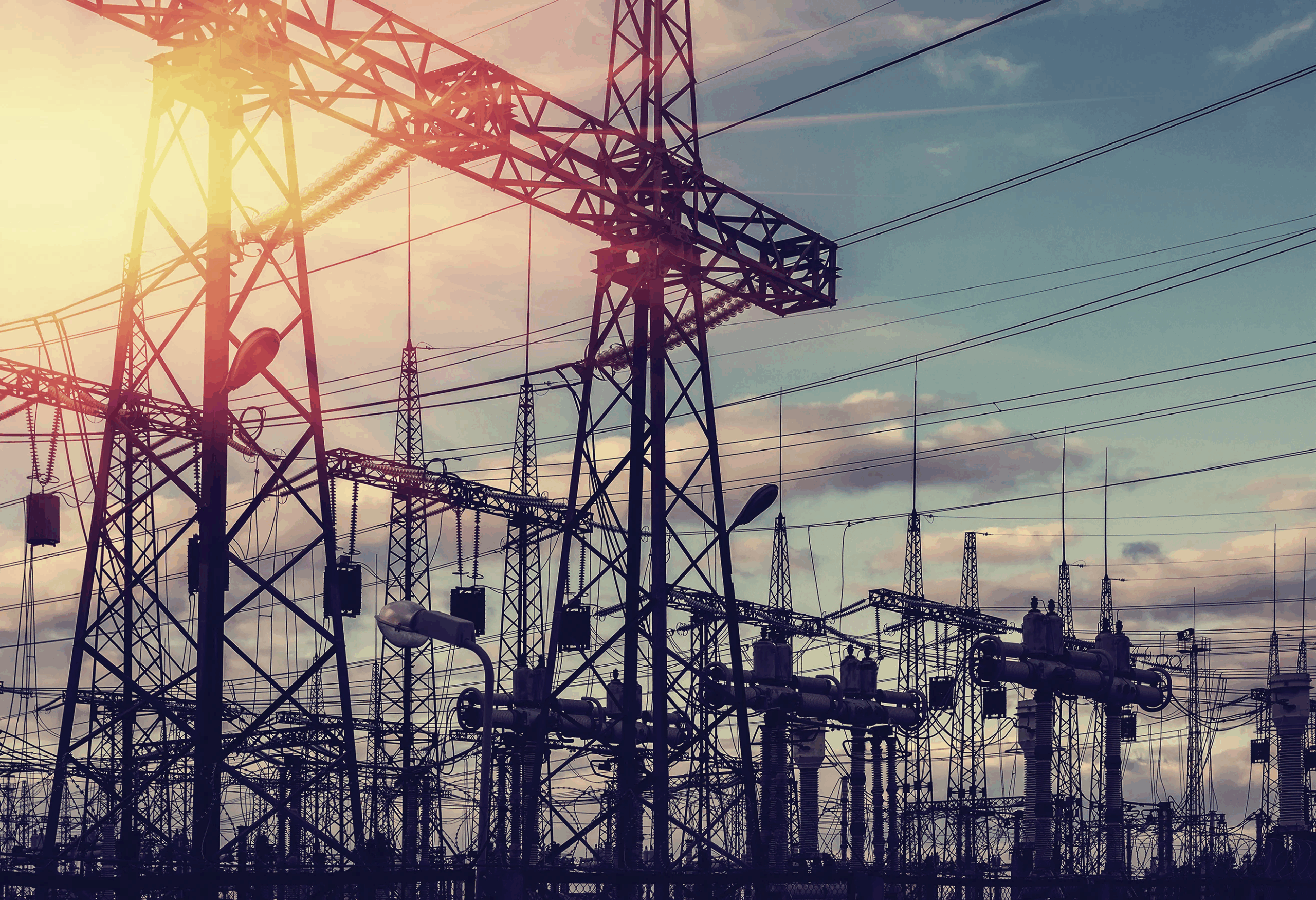
America’s Largest Power Grid Struggles to Meet Surging AI and Data Center Demand

America’s largest power grid, managed by PJM Interconnection and covering 13 states from Illinois to Tennessee, is facing significant strain as data centers and AI chatbots rapidly increase electricity consumption—outpacing the grid’s ability to build new power plants. This has led to sharp electricity price increases, with bills projected to rise over 20% this summer in some areas.

The rising costs stem from an 800% jump in prices at PJM’s annual capacity auction last year, which sets rates to ensure electricity availability during extreme weather. These price hikes trickle down to consumers and have sparked political and organizational upheaval: Pennsylvania’s governor has threatened to pull the state from PJM, the grid’s CEO announced he will step down, and key board members have been replaced.

The auction is scheduled again soon, with expectations of further price rises, driven by a growing mismatch between supply and demand. Aging power plants are retiring faster than new ones come online, and PJM has delayed auctions and paused accepting applications for new power plants—actions that experts say exacerbate the shortage.

Pennsylvania Governor Josh Shapiro emphasized the need for transparency, speed, and cost control from PJM. The grid operator attributes the supply crunch partly to external factors, such as state policies that closed fossil fuel plants prematurely and soaring demand from data centers, especially in “Data Center Alley” in Northern Virginia.

Although PJM has cleared about 46 gigawatts of new power projects in recent years—enough for 40 million homes—many face delays due to local opposition, supply chain issues, and financing problems. PJM lost more than 5.6 gigawatts of power capacity in the last decade and added only about 5 gigawatts in 2024, less than smaller grids in California and Texas.

Demand from data centers alone is expected to increase by 32 gigawatts by 2030, with AI-related workloads significantly contributing to the surge.

The power crunch intensified after PJM paused processing new power plant applications in 2022, overwhelmed by renewable project requests, and after AI chatbots like ChatGPT gained popularity in 2023, boosting data center energy use. Consumer groups have called for a redo of the 2024 capacity auction, citing unfairly high prices.

In response, PJM implemented reforms including price caps and biannual auctions, and expedited the connection of 51 power projects, but many will not be operational until 2030 or later. For example, the Three Mile Island nuclear plant restart, contracted by Microsoft, won’t come online before 2027.

Experts warn that PJM must improve its processing of new power plant applications to effectively address the supply-demand imbalance and prevent blackouts.

Foxconn Posts Record Q2 Revenue Driven by AI Demand but Warns on Geopolitical and Currency Risks

Taiwan’s Foxconn, the world’s largest contract electronics manufacturer and Apple’s main iPhone assembler, reported record revenue for the second quarter, boosted by strong demand for artificial intelligence (AI) related products. However, the company also flagged potential headwinds from geopolitical tensions and currency fluctuations.


Key Points:

  • Revenue Performance:
    Foxconn’s Q2 revenue rose 15.82% year-on-year to T$1.797 trillion (Taiwan dollars), surpassing analyst expectations (LSEG SmartEstimate: T$1.7896 trillion). June alone saw revenue climb 10.09% year-on-year to a record T$540.237 billion.

  • Drivers of Growth:

    • The surge in demand for AI-related cloud and networking products, including components for Nvidia’s AI chips, was a major growth driver.

    • Revenue from smart consumer electronics, including iPhones, was flat year-on-year, impacted by adverse exchange rate movements.

  • Outlook and Risks:
    Foxconn expects continued growth in the current quarter compared to previous quarters and last year but remains cautious about risks posed by evolving global political situations and foreign exchange volatility.
    The company did not provide specific numerical forecasts.

  • Geopolitical Context:
    The announcement comes amid heightened U.S. tariffs and trade tensions, with U.S. President Trump recently notifying 12 countries about potential tariff levels on their exports to the U.S., potentially affecting global supply chains.

  • Operational Footprint:
    Foxconn operates the world’s largest iPhone manufacturing facility in Zhengzhou, China.

  • Stock Market Impact:
    Despite last year’s strong 76% stock rally outperforming the Taiwan market, Foxconn’s shares have fallen 12.5% so far this year amid broader tech sector volatility influenced by trade policy concerns. The stock fell 1.83% on Friday ahead of the earnings announcement.

  • Next Steps:
    Full Q2 earnings will be released on August 14.