Yazılar

Japan’s Renesas weighs $2 billion sale of timing unit amid semiconductor reshuffle

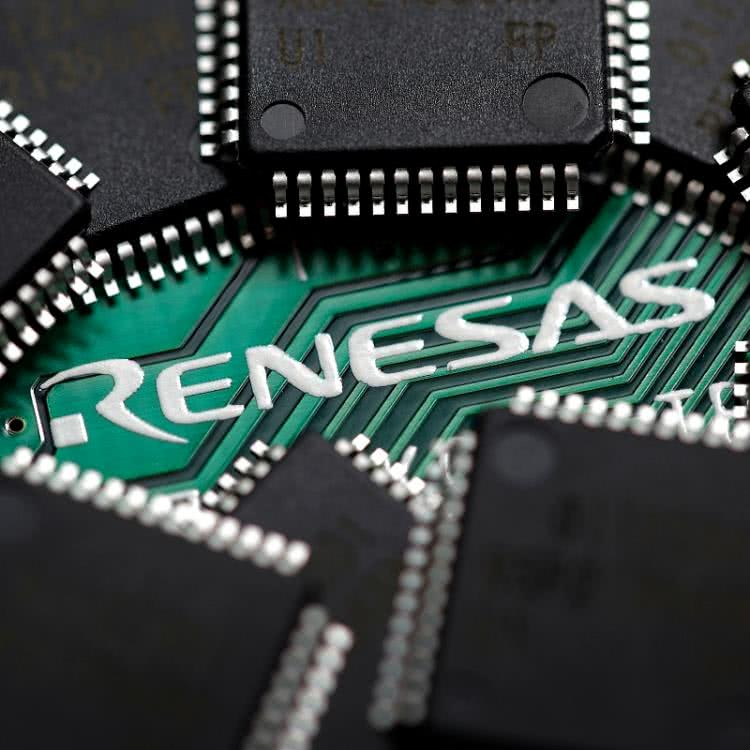
Renesas Electronics Corp., one of Japan’s largest semiconductor makers, is considering a sale of its timing division in a deal that could value the business at nearly $2 billion, according to people familiar with the matter.

The company has hired JPMorgan to advise on the potential divestment, which remains in its early stages. Sources said the process is expected to attract bids from major chipmakers, including Texas Instruments in the United States and Germany’s Infineon Technologies. None of the companies involved have commented publicly on the talks.

Renesas’ timing division produces specialized integrated circuits (ICs) that handle clock, timing, and synchronization functions — essential components for data centers, telecommunications systems, and 5G network infrastructure. These chips act as the “metronome” for electronic systems, ensuring precise coordination of data flow in high-speed environments.

The move comes as global demand for chips powering AI-driven data centers and networking infrastructure continues to soar. Selling the unit could allow Renesas to raise capital and sharpen its focus on core markets, particularly automotive and industrial semiconductors — areas where it is a major global supplier.

Renesas has expanded aggressively in recent years through acquisitions to build a broader portfolio of analog and power management chips. The possible divestment reflects a wider industry trend of portfolio consolidation, as chipmakers seek to streamline operations and concentrate on growth areas.

TCS tops quarterly revenue forecasts, eyes stronger growth in second half

Tata Consultancy Services (TCS) exceeded second-quarter revenue estimates, lifted by growth in its banking, financial services, and insurance (BFSI) segment, and said it expects better performance in the latter half of the fiscal year. The results have bolstered optimism for India’s $283 billion IT industry, which has faced weak client spending amid global uncertainty.

Sales for the quarter ending September rose 2.4% to ₹657.99 billion ($7.4 billion), surpassing the ₹650.86 billion forecast. Profit edged up 1.4% to ₹120.75 billion, though it fell short of analyst projections due to ₹11.35 billion in severance costs linked to a planned 2% workforce reduction affecting 12,200 employees.

CEO K. Krithivasan said deferred projects had decreased and expressed confidence that AI solutions and deeper client engagement would drive growth momentum in the second half. The BFSI unit grew 1%, offsetting declines in the consumer, healthcare, and manufacturing sectors.

TCS also announced plans to establish a new AI-focused business with a 1 GW data center in India, expected within five to seven years. Analysts estimate the project could involve up to $5 billion in capital expenditure and make TCS one of India’s top five data center operators.

Order bookings hit $10 billion, up from $9.4 billion last quarter, showing signs of steady recovery in global demand despite new U.S. outsourcing tax and visa challenges.

U.S. approves multi-billion-dollar Nvidia chip exports to UAE, Bloomberg reports

The U.S. government has approved several billion dollars’ worth of Nvidia chip exports to the United Arab Emirates, according to Bloomberg News. The export licenses were issued by the Commerce Department’s Bureau of Industry and Security as part of a bilateral artificial intelligence agreement reached in May.

The deal will enable the UAE to build large-scale data centers essential for developing and training advanced AI models, deepening technological cooperation between the two countries. In return, the UAE has committed to making a reciprocal investment in the U.S., the report said.

An official from the Commerce Department told Bloomberg the agency is “fully committed to the transformational U.S.–UAE AI partnership deal.” Neither Nvidia nor the White House commented directly on the report, and UAE representatives could not be reached.

The export agreement is expected to allow the Emirates to import up to 500,000 of Nvidia’s high-performance AI chips annually starting in 2025, under a framework that could extend through 2030, as Reuters reported earlier this year.

The approval aligns with President Donald Trump’s renewed Gulf outreach, which in May yielded $600 billion in commitments from Saudi Arabia, including chip deals with Nvidia, AMD, and Qualcomm. The move strengthens Washington’s push to build regional AI alliances amid intensifying global competition for computing power.