Yazılar

Google Cloud Secures $58B Pipeline, Strengthens AI and Enterprise Position

Alphabet’s Google Cloud expects to add $58 billion in revenue over the next two years, fueled by a strong contract backlog and surging demand for AI infrastructure.

Key Figures

  • Backlog growth: $106B in non-recognized sales contracts, with 55% ($58B) set to convert to revenue within 24 months.

  • Current scale: $50B annual run rate in cloud revenue (14% of Alphabet’s total).

  • Customer momentum: +28% new customers quarter-over-quarter.

  • AI dominance: 9 of the 10 largest AI labs are clients, including OpenAI and Anthropic.

Strategic Significance

  • Cloud is becoming Alphabet’s fastest-growing business, while advertising faces regulatory challenges in the U.S. and Europe.

  • CEO Sundar Pichai boosted 2025 capex to $85B (from $75B), citing AI-driven cloud demand.

  • Google Cloud’s position as a neutral infrastructure provider gives it leverage, even as it competes with customers in AI.

Why It Matters

  • Wall Street is pressuring Big Tech to prove AI monetization; Google Cloud’s backlog gives tangible visibility.

  • Competes head-to-head with AWS and Microsoft Azure, both of which are heavily investing in AI compute capacity.

  • A strong cloud business gives Alphabet diversification beyond search advertising and a hedge against regulatory headwinds.

Google Cloud’s trajectory suggests it could soon transition from a secondary business line into Alphabet’s central AI and enterprise growth engine.

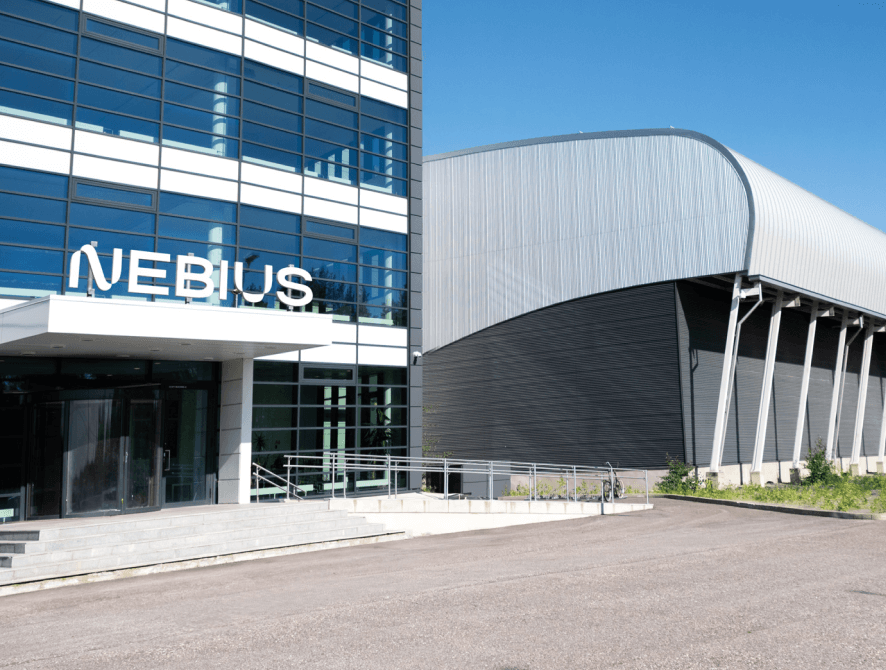
Nebius Hits Record High After $17.4B Microsoft AI Deal

Nebius Group’s (NBIS.O) shares surged 43% to a record $91.75 on Tuesday after striking a $17.4 billion, five-year deal with Microsoft to supply AI infrastructure. The contract could rise to $19.4 billion if Microsoft scales up demand, making it one of the largest partnerships in the rapidly growing AI data center sector.

Deal Impact

  • Nebius will supply dedicated GPU infrastructure from its new Vineland, New Jersey data center, starting later this year.

  • Microsoft has been facing AI cloud shortages and is relying on external providers like Nebius and CoreWeave to meet client demand.

  • Rival CoreWeave’s shares rose 4.4% in parallel, reflecting investor optimism for the broader AI cloud sector.

Market Significance

  • Nebius stock has more than doubled in 2025, driven by global AI demand and investor enthusiasm.

  • Analysts said the deal de-risks Nebius’ capacity expansion and cements its position as a key supplier to hyperscalers and AI labs.

  • BWS Financial analyst Hamed Khorsand called it “unprecedented clarity on long-term revenue potential.”

Strategic Outlook

  • The agreement builds on Nebius’ full-stack AI cloud model, which provides Nvidia-powered computing, storage, and developer tools.

  • CEO Arkady Volozh said the deal will accelerate AI cloud growth from 2026 onward, reinforcing Nebius’ expansion strategy.

  • Founded from the spinoff of Yandex assets, Amsterdam-based Nebius is now seen as a leading independent AI infrastructure provider.

Trump EPA Proposes Faster Permitting to Speed AI Infrastructure Buildout

The Environmental Protection Agency (EPA) under President Donald Trump unveiled a proposal on Tuesday to accelerate permitting for AI-related infrastructure, allowing companies to begin construction of certain facilities before receiving Clean Air Act air permits.

Key elements of the proposal

  • Early construction allowance: Firms could start building parts of projects not directly tied to emissions before permits are finalized.

  • Target facilities: Power plants, manufacturing hubs, and data center infrastructure.

  • Objective: Reduce permitting delays that have long been cited as barriers to large-scale projects.

EPA Administrator Lee Zeldin said:

“For years, Clean Air Act permitting has been an obstacle to innovation and growth. We are continuing to fix this broken system.”

Context

  • The proposal follows the EPA’s “Powering the Great American Comeback” initiative launched six months ago, prioritizing power generation for AI-driven data centers.

  • The U.S. and China remain locked in a tech arms race, with AI development central to both economic and national security ambitions.

  • Rapid AI adoption is fueling surging demand for power, putting pressure on utilities and grids nationwide.

Regulatory background

  • Under the New Source Review program, companies cannot normally begin construction of major facilities before securing air permits.

  • The Trump administration is pushing a deregulatory agenda, including repeals of scientific and legal bases for greenhouse gas regulation — a move widely criticized by environmentalists.

Implications

  • Supporters argue the change will fast-track AI infrastructure, critical for U.S. competitiveness.

  • Critics warn it could weaken environmental safeguards and increase pollution risks while AI-related energy demand skyrockets.