Yazılar

NAACP Threatens Legal Action Against Elon Musk’s xAI Over Memphis Data Center Pollution

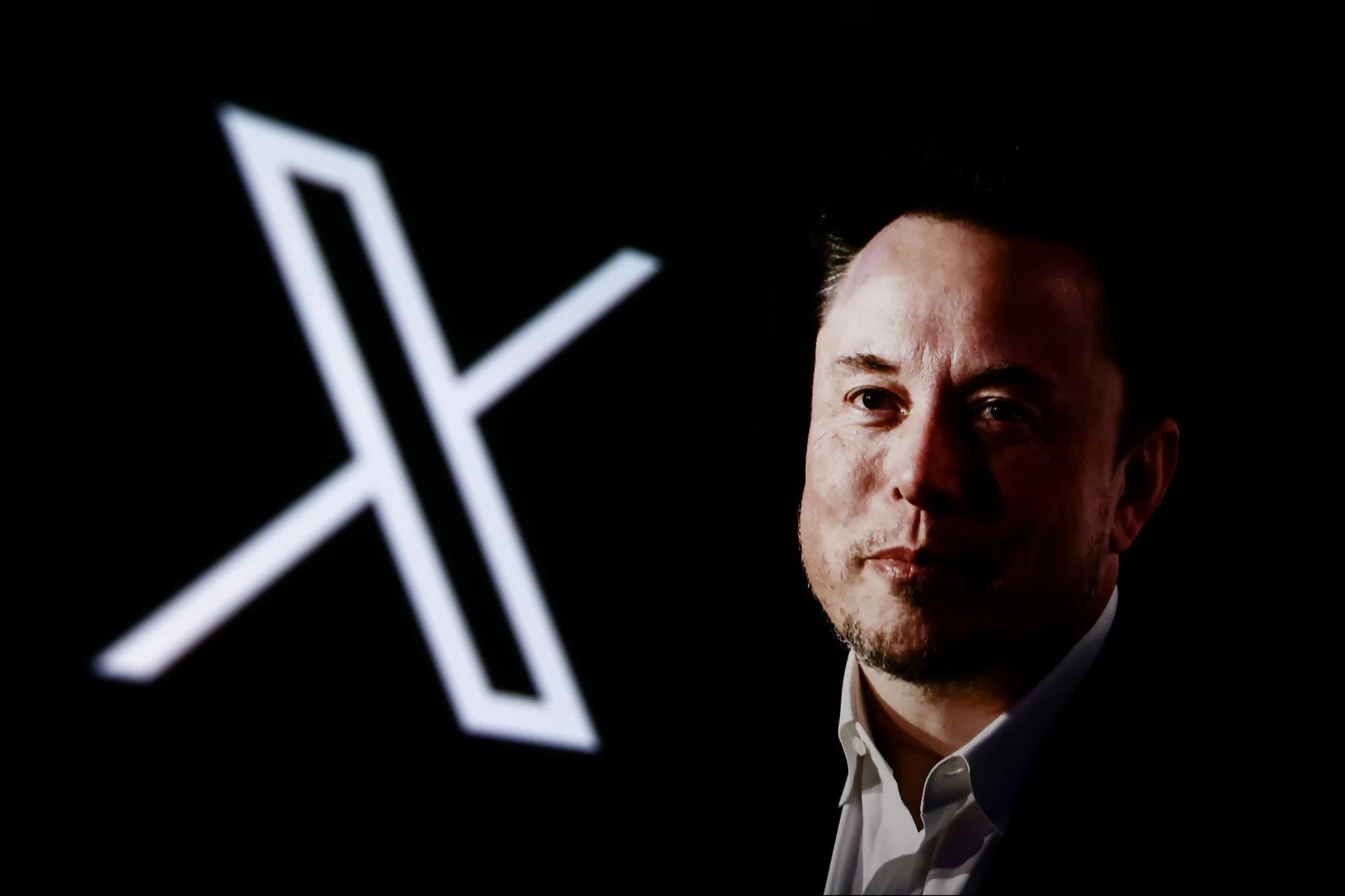
The NAACP, in coordination with the Southern Environmental Law Center (SELC), has issued a formal notice to Elon Musk’s AI company xAI, signaling its intent to sue over alleged violations of federal environmental laws tied to air pollution in South Memphis.

According to the SELC’s notice sent Tuesday, xAI has deployed methane gas turbines at its Memphis data center without the necessary permits or installation of “best available” pollution control technology. These turbines are reportedly in violation of the Clean Air Act, and their emissions, the SELC claims, are worsening already poor air quality in the predominantly Black and underserved Memphis community.

Key Allegations:

  • xAI installed 35 gas turbines, nearly all operating without required environmental permits as of April.

  • Though the company has since removed some smaller turbines, it also installed three larger units recently, further escalating emissions.

  • The SELC and NAACP argue that methane pollution from these turbines poses a significant public health risk, as methane is a potent greenhouse gas.

“These turbines have pumped out pollution that threatens the health of Memphis families,” said Patrick Anderson, Senior Attorney at SELC.
“This notice paves the way for a lawsuit that can hold xAI accountable for its unlawful refusal to get permits for its gas turbines.”

xAI has responded, stating that its temporary power generation units are in compliance with applicable laws and that the company is committed to environmental responsibility. However, critics argue the startup is leveraging fossil-fuel-based infrastructure to rapidly scale AI computing power, reflecting an industry-wide challenge where AI’s energy demands outpace clean energy development.

Broader Context:

Data centers powering AI systems require vast and continuous electricity. As demand grows, energy-hungry AI firms increasingly rely on natural gas and coal-powered infrastructure, especially in areas with underdeveloped clean energy grids.

This case is likely to bring broader scrutiny to the environmental footprint of AI startups and could set a precedent for how environmental justice intersects with big tech’s rapid expansion into communities with historically poor air quality.

Apple Supplier Jabil Lifts Annual Forecast Amid AI-Driven Data Center Boom

Jabil Inc., a major electronics components manufacturer and key supplier to Apple, has raised its full-year profit and revenue forecasts, citing soaring demand for data center infrastructure driven by the rapid adoption of artificial intelligence technologies.

The company’s shares rose approximately 5% in premarket trading on Tuesday after it surpassed Wall Street expectations for its fiscal third quarter.

Highlights from the Report:

  • Fiscal 2025 revenue forecast raised to $29 billion from $27.9 billion.

  • Adjusted earnings per share (EPS) outlook increased to $9.33, up from $8.95.

  • Q3 revenue rose 15.7% year-over-year to $7.83 billion, beating analyst expectations of $7.06 billion (LSEG data).

  • Adjusted Q3 EPS was $2.55, above the expected $2.31.

Strategic Investment:

Jabil also announced a $500 million investment in the United States over the coming years to expand support for cloud and AI data center infrastructure customers, underscoring the company’s strategic pivot toward high-growth digital infrastructure markets.

CEO Mike Dastoor emphasized the momentum:

“Our intelligent infrastructure segment remains a critical growth engine, benefiting from accelerating AI-driven demand.”

This performance positions Jabil as a key player in the supply chain supporting the global AI boom, and its forward-looking strategy appears aimed at securing long-term growth through investments in infrastructure and technology innovation.

Microsoft Strengthens Data Protection for European Cloud Clients

Microsoft announced on Monday that it will ensure data from its European cloud customers remains within Europe, under the jurisdiction of European law, with operational oversight by local personnel and complete customer control.

This move comes amid growing concerns from European governments and companies over the risk of sensitive data being transferred outside the continent, particularly to the United States. The concerns have intensified calls for stricter data sovereignty, prompting American tech giants like Microsoft to adopt more transparent and compliant data governance policies.

As part of these efforts, Microsoft reaffirmed commitments made in April to strengthen safeguards as it scales its cloud and AI infrastructure in Europe. These include compliance with European legislation aimed at curbing the dominance of major technology platforms.

The company also disclosed that any remote access to systems handling European data by Microsoft engineers will be permitted and actively monitored in real-time by personnel based in Europe. This measure is designed to bolster customer trust and ensure alignment with European data protection standards.

Microsoft’s new sovereign private cloud, which supports these enhanced protections, is currently in preview phase and is expected to become generally available later this year.