Yazılar

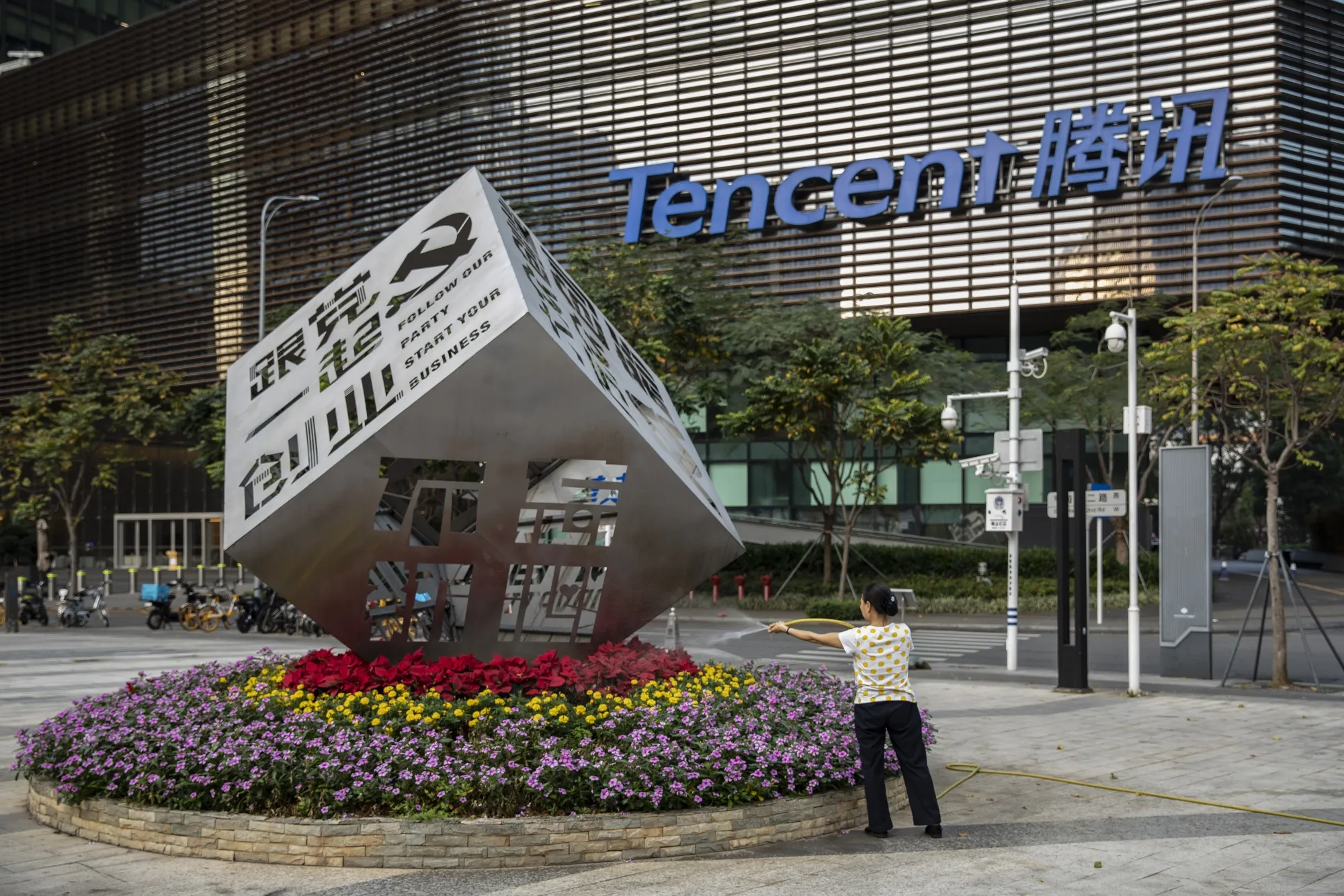
Tencent Cites Uncertainty Over U.S. AI Chip Imports Amid Government Talks

Chinese tech giant Tencent said Wednesday it lacks clarity on the status of U.S. AI chip imports, as Beijing and Washington continue negotiations, though it maintains sufficient inventory for its AI operations.

IMPORT UNCERTAINTY
Tencent President Martin Lau noted that ongoing discussions between the two governments have left the company without a definitive answer on AI chip imports, particularly Nvidia’s H20 chips, designed for the Chinese market and recently scrutinized for security concerns. Lau emphasized that the uncertainty will not constrain Tencent’s AI ambitions, as the company has multiple deployment options and adequate supplies for AI model training.

Q2 PERFORMANCE
Tencent reported strong second-quarter results, beating analyst expectations:

  • Revenue: 184.5 billion yuan ($25.7B), +15% YoY (est. 178.5B)

  • Domestic gaming revenue: 40.4 billion yuan, +17% YoY

  • International gaming revenue: 18.8 billion yuan, +35% YoY

  • Marketing services revenue: 35.8 billion yuan, +20% YoY

  • Net profit: 55.6 billion yuan (est. 52.3B)

AI STRATEGY AND INVESTMENTS
Tencent continues to invest in AI while moderating capital expenditure, which fell to 19.1 billion yuan in Q2 after higher spending in previous quarters. The company is focused on sustainable monetization of its AI initiatives.

Tencent has developed its Hunyuan large language model, releasing the “Turbo S” version in February, while also integrating third-party AI models like DeepSeek across platforms including WeChat, which boasts over 1 billion monthly active users.
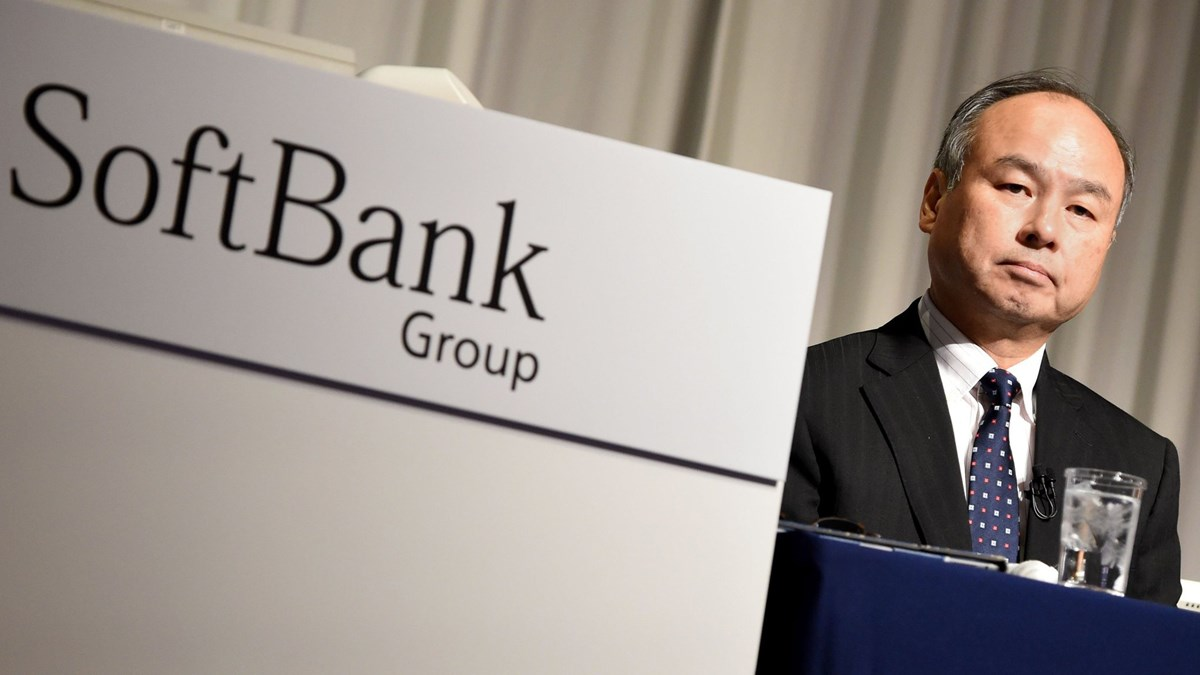

SoftBank Group Swings to Profit in Q1 as AI Investments Drive Gains; Stargate Data Centre Project Faces Delays

SoftBank Group reported a net profit of $2.87 billion for the first quarter, fueled by strong valuations in its Vision Fund portfolio, particularly in AI-related investments. The Japanese technology investor’s turnaround from a loss a year ago is timely as it embarks on a large spending spree focused on artificial intelligence companies.

However, the company’s ambitious $500 billion Stargate project to develop U.S. data centres is delayed due to extended negotiations and site selection, SoftBank CFO Yoshimitsu Goto said. Despite the slower-than-expected pace, SoftBank is advancing with several identified sites and remains committed to building out the data centres over four years.

SoftBank’s Vision Funds now hold $45 billion in late-stage companies poised for IPOs, up from $36 billion in March, partly reflecting the recent $7.5 billion Vision Fund 2 investment in OpenAI. The Vision Fund posted a Q1 investment gain of about $4.94 billion, with South Korean e-commerce firm Coupang’s share price surge accounting for half of that gain.

SoftBank leads a $40 billion funding round for OpenAI, with $22.5 billion due by year-end. Founder Masayoshi Son aims to position SoftBank as a key “organiser of the industry” through strategic AI investments and the Stargate initiative.

SoftBank has also raised $7.8 billion recently by partially selling its stake in T-Mobile. However, the Vision Funds’ overall realized gains remain modest—only about $5 billion out of $172.2 billion committed capital as of June’s end—highlighting challenges in monetizing investments.

AMD Launches $6 Billion Buyback Amid AI Sector Jitters, Shares Jump

Advanced Micro Devices (AMD) announced a $6 billion stock buyback plan on Wednesday, signaling confidence in its long-term strategy despite recent underperformance in the AI chip race. The announcement triggered a 6.4% rise in AMD shares, though the stock remains down over 6% year-to-date.

The new buyback adds to AMD’s existing authorization, bringing the total repurchase capacity to $10 billion. The move follows similar shareholder-pleasing strategies by major semiconductor rivals amid signs that the AI-driven chip boom may be plateauing.

Our expanded share repurchase program reflects the Board’s confidence in AMD’s strategic direction, growth prospects, and ability to consistently generate strong free cash flow,” said CEO Lisa Su.

📉 Context: Market Pressure and AI Uncertainty

  • AMD shares are down 6% in 2025, compared to a <1% drop for the Philadelphia Semiconductor Index.

  • In contrast, rivals have surged:

    • Nvidia shares: ↑170% in 2024

    • Broadcom shares: Doubled in value

    • Qualcomm announced a $15B buyback in November

    • Broadcom initiated its own $10B repurchase in April

🤖 AI Competition Heats Up

Despite being seen as Nvidia’s top rival in AI computing, AMD faces mounting pressure:

  • Custom processors from hyperscalers threaten AMD’s general-purpose AI chips.

  • Concerns are emerging over AMD’s ability to keep pace with Nvidia’s entrenched ecosystem and rapid innovation cycles.

  • The $10 billion AI collaboration with Humain, announced just a day prior, indicates AMD’s intent to catch up through strategic alliances.

💰 Financial Snapshot

  • Free cash flow in Q1 2025: $727 million, down 33% YoY.

  • Cash & equivalents (as of March 29): $6.05 billion

  • Current liabilities: $7.70 billion

While the cash cushion and buyback authorization underscore AMD’s longer-term confidence, its short-term financial metrics highlight margin pressures and investment demands as it expands into custom AI and datacenter segments.

🧭 Strategic Implications

AMD’s buyback aims to:

  • Support share price amid volatility

  • Reinforce investor confidence in AMD’s AI ambitions

  • Signal resilience in an increasingly cutthroat chip sector

As investor sentiment wavers on AI-related tech, AMD’s aggressive buyback and global partnerships could be pivotal in defending market share and reaffirming its place in the AI arms race.