Yazılar

HPE Secures $1 Billion AI Server Deal for Elon Musk’s X

Hewlett Packard Enterprise (HPE) has finalized a deal valued at over $1 billion to supply Elon Musk’s social media platform, X, with servers optimized for artificial intelligence (AI) workloads, according to a report by Bloomberg News. The agreement, finalized late last year, comes amid rising demand for AI-specific hardware from businesses leveraging AI applications.

Bloomberg’s sources indicated that HPE secured the deal over competing bids from Dell Technologies and Super Micro Computer, both of which also sought to provide the necessary equipment for X. However, HPE has declined to comment on the details of the deal.

The demand for AI servers has surged as companies, including Musk’s various ventures such as Tesla and xAI, seek hardware capable of supporting advanced AI tasks. Following the news, shares of HPE saw a 1% rise in afternoon trading.


Super Micro Gains Nasdaq Extension, Aims to File Financials by February

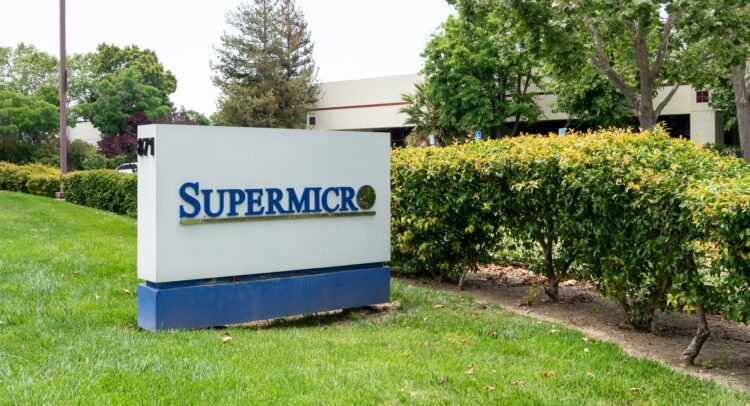
Super Micro Computer announced on Friday that it received an extension from Nasdaq, giving the company until February 25, 2025, to file its overdue financial reports and maintain its listing on the stock exchange.

This extension provides some breathing room for the embattled server manufacturer, which has faced delisting risks due to delays in filing its audited year-end financials and quarterly results with the U.S. Securities and Exchange Commission (SEC).

“The Company’s common stock will remain listed on the Nasdaq Global Select Market during the exception period,” Super Micro stated in a press release. The company expressed confidence in meeting the new deadline and filing all required reports.


Market Reaction and Current Challenges

The announcement boosted investor confidence, with Super Micro’s stock rising 7% in extended trading on Friday. However, the company remains under scrutiny following a series of challenges:

  1. Accounting Issues:
    Super Micro’s reputation suffered a blow in August when activist investor Hindenburg Research accused the company of accounting irregularities. Though an internal probe, led by a board member, found no evidence of misconduct, the allegations added to investor uncertainty.
  2. Auditor Changes:
    Ernst & Young resigned as the company’s auditor in October, prompting Super Micro to appoint BDO as its new auditor last month.
  3. Leadership Shake-Up:
    Earlier this week, Super Micro announced it would replace its Chief Financial Officer, David Weigand, and appointed a new accounting chief as part of efforts to restore confidence.

Performance Highlights Amid Turmoil

Despite these challenges, Super Micro has enjoyed significant business growth, driven by its position as a key supplier of Nvidia-based computer clusters for artificial intelligence (AI). The company forecasts a remarkable 67% sales growth, targeting approximately $25 billion in revenue for fiscal 2025.

Super Micro’s stock soared over 14-fold from the end of 2022 to March 2023, bolstered by strong AI-related demand and its inclusion in the S&P 500. However, the stock has since lost about 60% of its value amid ongoing controversies and market volatility.


Previous Nasdaq Delisting and Current Risk

This is not the first time Super Micro has faced Nasdaq delisting. The company was previously removed from the exchange in 2018 for similar financial filing issues. The current delisting process, which typically spans about a year, has cast a shadow over the company’s stock despite Friday’s extension.

Super Micro now has a crucial opportunity to resolve its financial reporting issues and reassure investors. Should the company meet the February 25, 2025, deadline, its listing on the Nasdaq Global Select Market will remain intact, provided it complies with all other Nasdaq rules.

Super Micro Shares Drop 22% After Financial Report Raises Investor Doubts

Super Micro shares fell sharply by 22% on Wednesday, hitting their lowest level since May of last year after releasing an underwhelming financial update. The company, a prominent server manufacturer, has been struggling with internal and regulatory challenges, causing its stock price to drop to $21.55—down by 82% from its peak in March, effectively erasing approximately $57 billion from its market capitalization.

The decline in share value follows the resignation of Super Micro’s auditor, Ernst & Young, making it the second auditing firm to part ways with the company within two years. Super Micro has not submitted audited financial statements since May and faces the threat of being delisted from Nasdaq if it does not file its annual results with the SEC by mid-November. Despite issuing preliminary quarterly financial results, the company failed to offer a timeline for when it might file its annual financials.

During a recent call with analysts, CEO Charles Liang confirmed the search for a new auditor but declined to discuss Ernst & Young’s resignation or governance issues. Liang did, however, emphasize Super Micro’s commitment to resolving its overdue financial reporting. Analysts at Mizuho suspended their coverage of Super Micro due to the lack of comprehensive financial data, while Wedbush analysts noted that the latest update from Super Micro left “more questions than answers.”

For the quarter ending on September 30, Super Micro reported net sales between $5.9 billion and $6 billion, missing analysts’ expectations of $6.45 billion but marking a year-over-year increase of 181%. The company’s business has experienced significant growth due to demand for servers equipped with Nvidia’s processors designed for artificial intelligence applications. Nevertheless, analysts expressed concern about the December quarter’s forecast, which fell below estimates with anticipated revenue between $5.5 billion and $6.1 billion—lower than the projected $6.86 billion—and earnings per share of 56 to 65 cents, below the expected 83 cents.

Amid these financial challenges, Super Micro’s stock had previously soared due to high demand for its AI-driven servers, specifically those utilizing Nvidia’s latest GPU, Blackwell. CEO Liang indicated that Super Micro is ready to deliver Blackwell-based servers, but Nvidia’s limited chip supply has impacted shipments. CFO David Weigand reassured investors that Super Micro maintains a robust relationship with Nvidia, which has confirmed no changes in its GPU allocations to the company.

Additionally, Super Micro’s board has appointed a special committee to investigate Ernst & Young’s concerns regarding the company’s financial practices. Following a three-month review, the committee reported no evidence of fraud or misconduct but recommended several improvements in internal governance. Super Micro affirmed its commitment to implementing these recommendations and taking all necessary actions to maintain its Nasdaq listing.