Yazılar

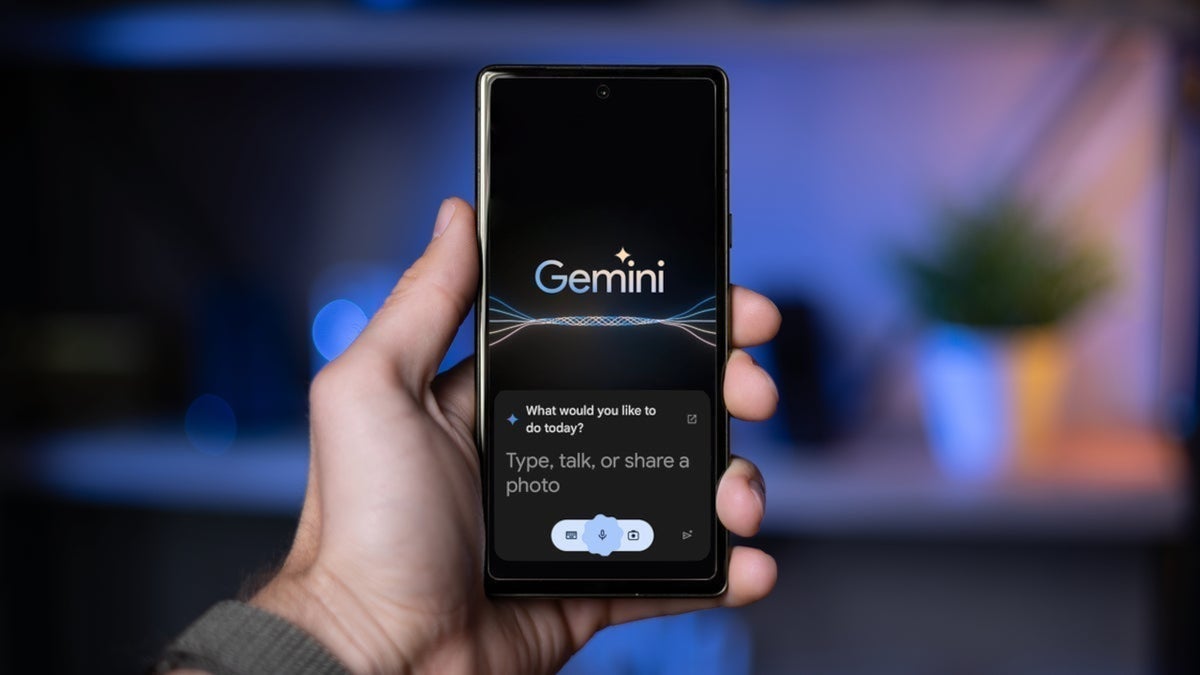
Gemini Extensions Now Compatible with Android Lock Screen

Google has expanded the capabilities of its Gemini AI assistant by enabling extensions to work directly on the lock screen of Android devices. While Gemini was previously able to perform some basic tasks like turning on the flashlight or setting an alarm, these functions were routed through Google Assistant. Now, with this new update, Gemini can execute these tasks autonomously on the lock screen, providing a more seamless experience for users without needing to unlock their device or interact with Google Assistant.

In a detailed support page, Google explained that the Gemini extensions, which were initially introduced last year, are now available to perform on-device tasks even when the device is locked. These extensions allow Gemini to interact with various apps and features on the phone, streamlining the process of managing routine tasks. While this update adds more flexibility, tasks that require access to personal information from apps—such as checking messages or performing secure transactions—will still necessitate unlocking the device first for privacy and security reasons.

Gemini extensions were previously available through the web client and Android app, but the integration with the lock screen is a significant step forward in making the AI assistant more versatile. The update reduces friction for users who need to carry out simple tasks, such as setting reminders or controlling media, without unlocking their phones. This is expected to enhance convenience for Android users, as it brings more functionality to the device’s lock screen.

For many Android users, this improvement marks a major leap in how AI assistants can be utilized in everyday scenarios. The ability to quickly perform actions without unlocking the phone is particularly useful for on-the-go moments, where speed and efficiency are key. As Google continues to refine and expand Gemini’s capabilities, we can expect even more innovative features to emerge, further integrating AI into the user experience.

Microsoft Paint Gets New Copilot Menu; Windows Search Now Supports OneDrive Files

Microsoft Enhances Paint with Copilot Menu, Expands Windows Search for OneDrive Files

Microsoft has introduced a new Windows 11 Insider Preview build, bringing updates to the Paint app and enhancing Windows Search functionality. Available for users in the Canary and Dev channels, the latest beta update adds a Copilot menu to Microsoft Paint, integrating AI-powered features for enhanced creativity. Additionally, Windows Search now supports semantic indexing for OneDrive files, improving search accuracy and accessibility. These updates are also expected to be a part of Snapdragon-powered Copilot+ PCs.

Copilot Integration in Microsoft Paint

In its latest blog post, Microsoft outlined the new enhancements introduced in Windows 11 Insider Preview build 26120.3073 (KB5050090). The Paint app now includes a dedicated Copilot button, allowing users to access AI-assisted features more seamlessly. While these updates are currently in testing, Microsoft has not confirmed a global rollout timeline.

Microsoft has gradually introduced AI-based capabilities to Paint, including the Cocreator feature, which generates images based on user input. Users can fine-tune the AI-generated enhancements to match their artistic vision. Another feature, Image Creator, transforms text prompts into visuals, offering multiple art styles to choose from.

Expanded Search Capabilities with OneDrive Integration

Alongside the Paint update, Microsoft has also improved Windows Search. With the new semantic indexing feature, Windows Search now better understands queries and retrieves relevant OneDrive files more efficiently. This upgrade is particularly beneficial for professionals who rely on cloud storage for document management.

These enhancements reflect Microsoft’s ongoing push to integrate AI into its core applications, offering users smarter tools for both creativity and productivity. While currently limited to Insider Preview users, these features are expected to arrive on mainstream Windows 11 devices later this year.

Apple Could Use DeepSeek to Introduce Apple Intelligence in China

Apple might be exploring the possibility of integrating DeepSeek’s artificial intelligence (AI) models into Apple Intelligence to navigate China’s strict AI regulations. A recent leak from a China-based source suggests that the Cupertino-based company is testing DeepSeek R1, an AI model focused on reasoning, as a potential alternative to its in-house AI models. Currently, Apple has not been able to roll out Apple Intelligence features in China due to stringent regulatory policies. If these reports are accurate, leveraging a China-developed AI model could provide Apple with a viable entry point into the market.

A tipster from Guangdong, known as Fixed Focus Digital, shared on Weibo that Apple CEO Tim Cook sees DeepSeek as a promising solution. DeepSeek, a Chinese AI firm, released its reasoning model under an MIT license, making it available for commercial use. Apple could potentially replace its native AI models and even ChatGPT-powered features within Apple Intelligence with DeepSeek R1. However, China requires AI-powered platforms, software, and devices to be certified by government authorities before launch. So far, no foreign AI model has been approved unless it was developed and hosted within China. This restriction has hindered Apple from introducing its AI capabilities in the country, even with the iOS 18.1 update. Given that the iPhone 16 lineup was heavily marketed with Apple Intelligence, the lack of AI features has reportedly impacted sales.

Previously, Apple was rumored to be in discussions with Alibaba and Baidu to integrate their AI technologies. However, the latest leak suggests that the company is now considering DeepSeek R1 as a more viable solution. If true, this move could address two critical challenges for Apple. First, since DeepSeek was developed within China, it would likely meet regulatory requirements more easily. Second, it would enable Apple to offer AI-powered experiences in China without relying on non-compliant external AI providers.

This potential partnership signals Apple’s determination to bring its AI-powered features to one of its most important markets. While the company has yet to confirm these reports, the move would align with Apple’s broader strategy of adapting to local regulatory environments to maintain its global market presence. If Apple successfully integrates DeepSeek R1 into Apple Intelligence, it could pave the way for a broader AI rollout in China while avoiding regulatory roadblocks.