Yazılar

Microsoft Investigates Possible Unauthorized Access to OpenAI Data by DeepSeek-Linked Group

Microsoft and OpenAI are conducting an investigation into whether a group associated with Chinese AI startup DeepSeek improperly accessed OpenAI’s data. According to sources familiar with the matter, concerns arose when Microsoft’s security team detected unusual activity involving OpenAI’s application programming interface (API). The group in question allegedly extracted large amounts of data in a manner that may not have been authorized, prompting further scrutiny from both companies.

The suspicious activity was first observed in the fall when Microsoft researchers noticed individuals believed to be linked to DeepSeek transferring significant volumes of data via OpenAI’s API. While OpenAI allows developers to license its API to integrate its AI models into their own applications, excessive data extraction could indicate an attempt to bypass OpenAI’s built-in usage restrictions. If confirmed, such actions may violate OpenAI’s terms of service, raising legal and ethical concerns over the security of proprietary AI models.

DeepSeek recently introduced its own AI model, R1, an open-source system that claims to rival or surpass leading AI models from OpenAI, Google, and Meta on key industry benchmarks. The model, designed to replicate human reasoning, has positioned DeepSeek as a formidable competitor in the AI sector. Notably, R1 was developed at a fraction of the cost of its Western counterparts, further intensifying competition in the rapidly evolving field of artificial intelligence.

The potential unauthorized access and the emergence of a strong competitor have already had significant market repercussions. Following the news, AI-related stocks, including Microsoft, Nvidia, Oracle, and Google’s parent company, Alphabet, saw a sharp decline, collectively losing nearly $1 trillion in market value. As Microsoft and OpenAI continue their investigation, the case underscores growing tensions in the AI race, particularly as global competition heats up between U.S. tech giants and emerging players from China.
Google Integrates Deep Research AI Agent into Gemini App on Android, Enhancing Research Assistance

Google Expands Deep Research AI Agent to Gemini App on Android

Google is bringing its Deep Research AI agent to the Gemini app for Android, expanding its capabilities beyond the web version. Initially launched in December 2024, this AI-powered research assistant was designed to create multi-step research plans, conduct web searches, and compile detailed reports on complex topics. Until now, this advanced tool was only accessible via the web, but with its integration into the mobile app, users will have greater flexibility in conducting in-depth research on the go. However, the feature remains exclusive to paid Gemini subscribers.

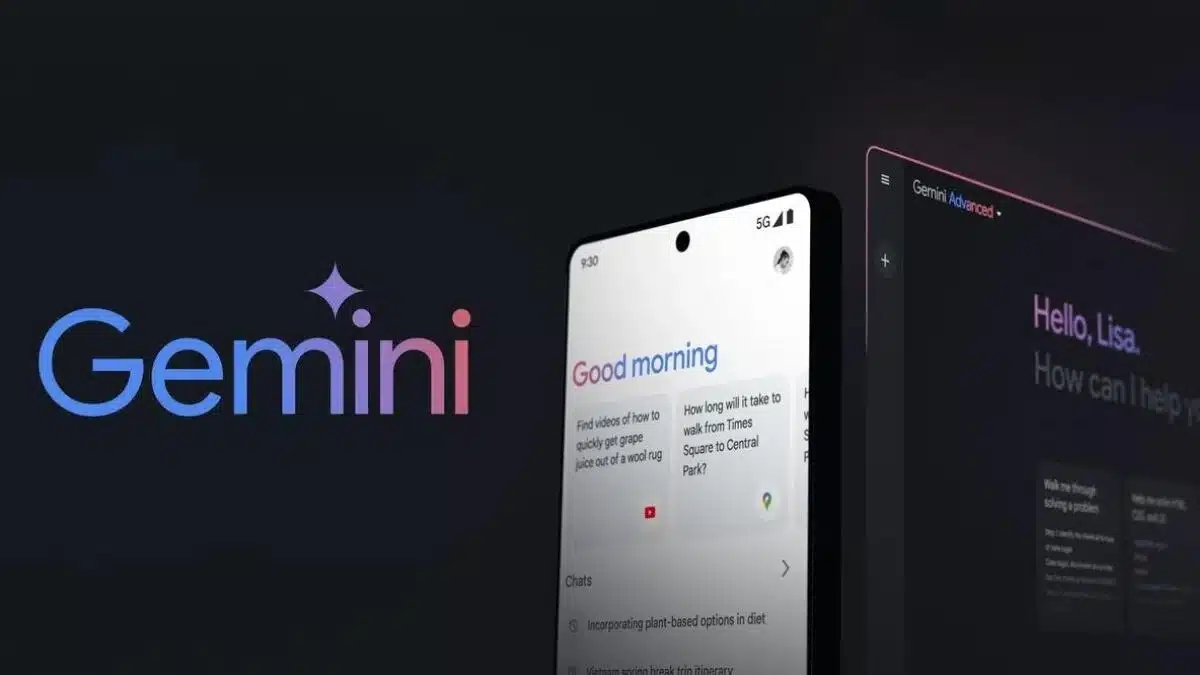
The official Gemini handle on X (formerly known as Twitter) confirmed the rollout of the Deep Research AI agent for Android users. According to the announcement, the feature is being gradually deployed and may take a few weeks to become available worldwide. Once integrated, users can access Deep Research through the Gemini Advanced drop-down menu within the app. This move is expected to enhance the app’s functionality, providing a more seamless and efficient research experience for mobile users.

One of the key highlights of the Deep Research AI agent is its multilingual support. Upon its initial launch, Google stated that the tool would be available in 45 languages, including Arabic, Bengali, English, French, Japanese, Russian, Tamil, and Vietnamese. This wide linguistic range makes the AI-powered research assistant more accessible to users across different regions, allowing them to conduct research in their preferred language with ease.

Deep Research is powered by Gemini 1.5 Pro, Google’s latest AI model, which enables it to process and analyze complex queries efficiently. As AI continues to evolve, integrating research-focused tools like this into mobile applications signifies Google’s commitment to making advanced AI-driven assistance more accessible. With the expansion of Deep Research into the Gemini Android app, users can expect a more comprehensive and intelligent research experience right at their fingertips.

Google Developing ‘Talk Live About Screen’ Shortcut for Gemini Live

Google is reportedly developing a new shortcut for its Gemini Live feature, making AI interactions even more seamless. First mentioned during the recent Galaxy Unpacked event, the “Talk Live About Screen” shortcut will allow users to have real-time, two-way voice conversations with Gemini AI about the content displayed on their screens. While initially showcased for the Samsung Galaxy S25 series, the feature is expected to roll out to other Android devices in the near future. A recent leak has provided further evidence that Google is actively working on integrating this shortcut into Gemini Live.

A well-known tipster, AssembleDebug, shared insights about the new shortcut on X (formerly Twitter). Although the method used to discover it remains unclear, it was likely found in the latest beta version of the Google or Gemini app. A screenshot shared in the post reveals the presence of a redesigned Gemini overlay, where a new “Ask About Screen” icon sits atop the user interface. This feature allows the AI assistant to capture a quick screenshot, enabling users to type their queries and receive AI-powered insights.

Currently, Gemini allows users to analyze on-screen content through text input, but voice-based interactions are not yet supported in this context. The new “Talk Live About Screen” shortcut aims to address this limitation by enabling spoken conversations about on-screen elements. The shortcut is positioned directly above the “Ask About Screen” button, offering users a more intuitive and efficient way to engage with Gemini AI.

At the Galaxy Unpacked event, a Google representative explained that tapping the shortcut would instantly take a screenshot and open the Gemini Live interface, allowing users to verbally interact with the AI. Although Google has not officially announced a release date, the presence of this feature in testing suggests that it could be rolled out soon, potentially transforming how users engage with AI for real-time screen analysis.