Yazılar

Google Unveils Veo 2 AI Video Generation Model for Gemini Advanced Users

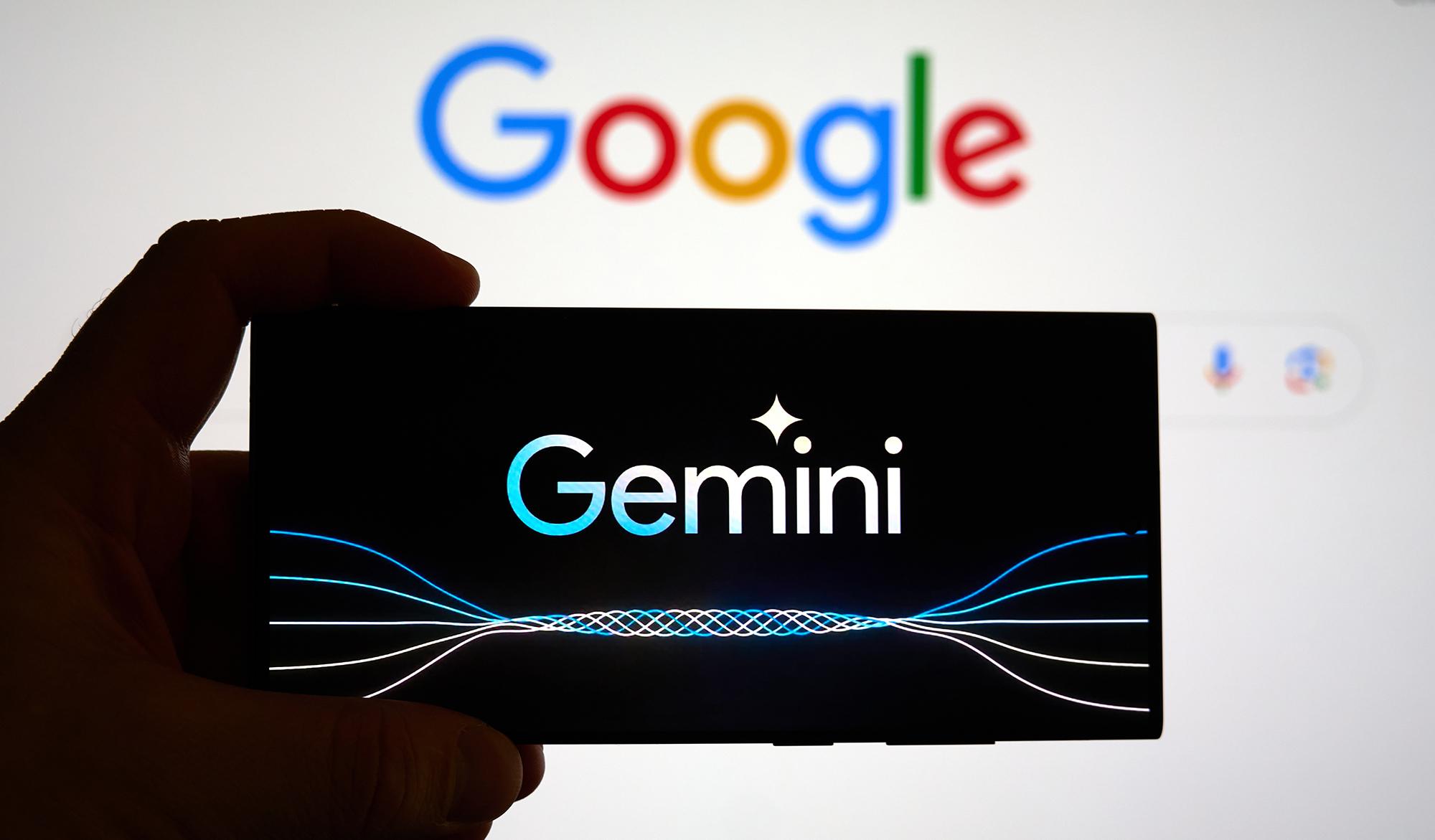
Google has recently unveiled the Veo 2 artificial intelligence (AI) model, now available to paid subscribers of Gemini. This new AI tool allows users to create eight-second video clips by simply providing text prompts in natural language. The Veo 2 model, which was first introduced in December 2024 as a successor to the original Veo model, is also integrated into Google’s Vertex AI platform and plays a key role in powering YouTube’s Dream Screen feature. This launch marks another significant milestone in Google’s push to enhance its AI capabilities within the Gemini ecosystem.

Currently, the Veo 2 model is accessible exclusively to those using Gemini’s paid subscription, Gemini Advanced. Free-tier users will not be able to access this feature. The rollout is taking place globally and will be available in all languages supported by Gemini. However, users should note that while the feature is being introduced gradually, it may take some time before it reaches all eligible subscribers worldwide.

The Veo 2 model allows users to generate high-quality videos in 720p resolution, maintaining a 16:9 aspect ratio. The video clips are produced in response to detailed text prompts and can be downloaded in MP4 format. Users can also share these clips directly on popular social media platforms like TikTok and YouTube. Google has set a monthly limit on the number of videos each user can generate, and notifications will alert users when they are nearing their quota.

The Veo 2 AI model also brings significant advancements in terms of realism and cinematic detail. It can interpret technical film terms, such as camera lenses, movements, and cinematic effects, allowing users to be highly specific in their prompts. This enhanced understanding enables the AI to produce more tailored and professional-looking video content, making it a valuable tool for creators who want to experiment with video production in a more intuitive and accessible way.

OpenAI Said to Be Developing an AI-Driven Social Media Network

OpenAI is reportedly preparing to launch its own social media platform, according to recent reports. The San Francisco-based artificial intelligence company is said to be working on integrating AI capabilities into this new social app, though specifics about how the AI features will be used remain unclear. The platform is rumored to be positioned as a competitor to Elon Musk’s X (formerly Twitter) and the suite of social apps owned by Mark Zuckerberg’s Meta. Notably, both X and Meta have recently introduced AI features into their ecosystems, highlighting a growing trend of blending AI with social experiences. This news surfaces just days after OpenAI announced its latest advancements with the GPT-4.1 family of models.

According to a report from The Verge, OpenAI’s social platform could be based heavily on ChatGPT. Sources close to the project suggest that an internal prototype already exists, reportedly emphasizing GPT-4o’s image-generation capabilities. The platform’s design includes a public feed where AI-created images may be displayed, hinting at a highly visual, content-driven experience. While it has been described as similar to X, the integration of generative AI at the core could set OpenAI’s project apart from more traditional social networks.

CEO Sam Altman has reportedly sought external feedback on the early prototype, though major questions remain. It is still unclear whether OpenAI intends to launch a standalone social app or incorporate these features directly into the existing ChatGPT interface. Observers have pointed out similarities to OpenAI’s video generation platform, Sora, which also features a content feed—though Sora lacks a true social element, as creators are not identified. Early indications suggest that OpenAI’s approach might prioritize showcasing AI capabilities in a social context, rather than building a purely human-driven network supplemented by AI, like X or Instagram.

The move into social media would also intensify OpenAI’s ongoing rivalry with X and Meta. Elon Musk, owner of X, has been openly critical of Sam Altman and OpenAI’s shift toward a for-profit structure. Musk previously filed a lawsuit against the company and even made a bid to acquire it, to which Altman responded sharply, joking that OpenAI would instead offer to buy Twitter for $9.74 billion. With tensions already high, OpenAI’s entry into the social networking space could further escalate competition among tech giants racing to dominate the future of AI-powered digital experiences.

Spotify Debuts Ad Exchange, Unlocking Reach to Logged-in Users

Spotify has officially launched its Spotify Ad Exchange (SAX) platform and new advertiser-focused AI tools in India, marking a major expansion just a week after their global debut. SAX is designed as a programmatic ad platform, streamlining the process of buying and placing ads across Spotify’s ecosystem. According to the company, this rollout will offer Indian advertisers full addressability and performance measurement for the first time on the platform. However, while SAX and related tools are now available, the Generative AI Ads feature — which can create audio ads — is not yet accessible to users in India.

The newly launched SAX platform enables advertisers to reach Spotify’s logged-in users through a real-time auction system. First introduced in the US and Canada, the platform has now been extended to new regions including India. Using a real-time bidding (RTB) model, advertisers compete for ad space through demand-side platforms (DSPs), with the highest bidder’s ad appearing on the page almost instantly. Spotify claims this process will not only offer brands more dynamic advertising opportunities but also enhance transparency and targeting capabilities.

In India, Spotify’s programmatic ads are integrated with major DSPs such as Google Display & Video 360, Magnite, and The Trade Desk. Through these integrations, advertisers gain access to Spotify’s range of ad formats, including audio, video, and display ads. The company also revealed plans to expand its inventory further by soon introducing programmatic podcast advertising, giving brands even more ways to connect with Spotify’s extensive user base.

With the SAX launch, Spotify aims to offer advertisers deeper audience insights and real-time measurement across various media ecosystems. This move is expected to bolster Spotify’s advertising business in India, a rapidly growing market for digital media consumption. By providing robust tools for precision targeting and results tracking, Spotify is positioning itself as a major player in the evolving Indian digital ad landscape.