Yazılar

Amazon Set to Move Alexa Voice Processing to the Cloud, Discontinuing Local Processing

Amazon is reportedly notifying Echo device users that, starting March 28, the option for local processing of voice requests will be discontinued. The move comes as the company shifts its focus to its new AI-powered version of Alexa, known as Alexa+. Unlike the previous iteration, which allowed on-device processing of voice recordings, Alexa+ will rely entirely on cloud-based processing to handle voice interactions. Users who opt to keep their devices configured for local processing will lose access to certain features, including Voice ID functionality, which helps Alexa recognize individual voices.

This decision marks a significant change from Amazon’s approach in 2021 when it introduced on-device processing for voice requests as a privacy-focused option. At the time, the feature was meant to give users more control over their conversations with Alexa by allowing voice commands to be processed locally, without sending data to the cloud. However, according to recent reports, Amazon has decided to reverse this feature in favor of a fully cloud-dependent model, which aligns with the upcoming integration of Alexa+.

In an update, Amazon clarified that while the local processing of voice requests will end, certain key functions, such as wake word detection and visual ID, will still occur on-device. The company also pointed out that the “Do Not Send Voice Recordings” option was only available on select Echo devices—such as the Echo Dot (4th Gen), Echo Show 10, and Echo Show 15—and was used by a small group of customers. Once the local processing feature is discontinued, Amazon will automatically update users’ privacy settings to delete voice recordings after they have been processed in the cloud.

This shift to cloud-based processing reflects Amazon’s evolving strategy for Alexa and its commitment to enhancing the functionality of its virtual assistant. While the move may raise privacy concerns for some users, Amazon has made efforts to ensure that voice recordings are deleted promptly, reinforcing its focus on maintaining user trust. With the rollout of Alexa+, the company aims to deliver a more sophisticated and efficient AI experience, but it remains to be seen how users will react to the change in privacy settings.
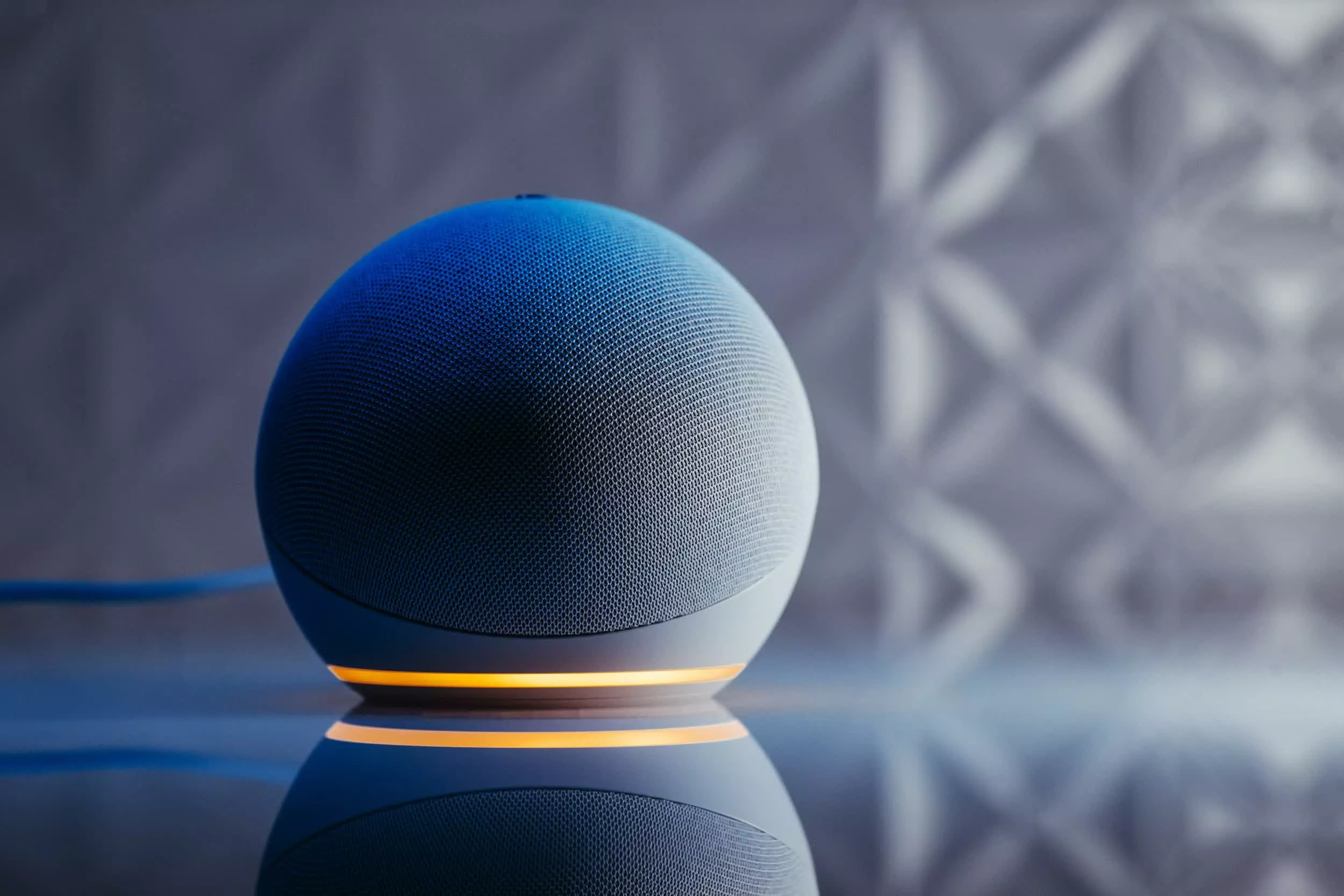
Amazon Set to Launch Premium Tier of AI-Enhanced Alexa Devices

Amazon is taking its Alexa ecosystem to the next level with plans to introduce a premium tier of AI-powered devices, according to Panos Panay, the head of Amazon’s device division. This new range of higher-end gadgets is intended to complement the existing lower- and mid-priced products, offering consumers a broader range of options. The move comes as Amazon looks to reignite interest in its Alexa franchise, which has seen its dominance in the smart home space decline in recent years. By adding premium devices, Amazon hopes to generate renewed excitement and offer more refined experiences for those looking for top-tier smart gadgets.

Panay emphasized that Amazon is not just focusing on making these premium devices more expensive, but also on improving the overall experience with reengineered hardware. From upgraded silicon to more sophisticated design and materials, Amazon plans to ensure that all tiers—whether “entry, core, or signature”—receive the same level of care. The result, he promised, will be better sound quality, enhanced battery life, and advanced security features. In an interview with Bloomberg News, Panay made it clear that Amazon’s goal is perfection in every product, stating, “There won’t be a corner cut. It won’t matter if we tried it before. It won’t matter what you thought it used to be.”

At the heart of these new devices will be Alexa+, Amazon’s upgraded AI operating system. Alexa+ will leverage advanced “edge-processing” chips, which will allow the devices to handle more AI tasks locally, rather than relying on cloud processing. This could lead to faster response times and greater privacy, as less data would need to be sent to Amazon’s servers. By mirroring Apple’s approach with more localized processing, Amazon is setting up Alexa devices to deliver a more seamless and secure user experience.

Ultimately, the goal for this next-generation Alexa ecosystem is to create a more fluid experience as users interact with multiple devices. Panay envisions an interconnected system where each Alexa-powered device works together seamlessly, improving the overall utility and enjoyment for users. With new and exciting devices currently in development, Amazon is positioning itself to lead the next wave of AI-powered home technology.

Amazon’s AI-Enhanced Alexa Set for Major Upgrade in February 2025

Amazon is preparing to unveil a significant overhaul of its Alexa voice assistant with the introduction of a generative AI-powered service, marking the most substantial update since Alexa’s original launch over a decade ago. The event, scheduled for February 26 in New York, will feature Panos Panay, head of Amazon’s devices and services team. While the company has remained tight-lipped about specifics, it is clear that the event will focus heavily on Alexa’s transformation.

This upgrade promises to take Alexa beyond its current capabilities, allowing the AI to engage in more complex interactions and respond to multiple requests in a single session. The new Alexa will act as an “agent,” capable of performing tasks on behalf of users without their direct input, making it a more integrated tool for daily activities like scheduling and shopping. Despite the excitement, Amazon faces significant challenges in ensuring the new AI system delivers accurate responses without the “hallucinations” common to generative models.

Although initially launching with limited access and no fees, Amazon is exploring potential subscription charges of $5 to $10 per month. Classic Alexa, the version currently in use, will continue to be available for free but will no longer receive new features. The decision to proceed with the generative AI version will be finalized during a “Go/No-go” meeting set for February 14, with Amazon executives aiming to resolve remaining concerns about performance and speed.

Alexa was originally envisioned by Amazon founder Jeff Bezos to resemble the voice-activated computers from Star Trek, capable of handling a wide range of tasks from controlling home devices to managing communications. However, after several years of stagnant innovation, Alexa’s functionality has largely remained limited to basic tasks like setting timers or checking the weather.

This new generative AI-driven version, internally referred to as “Banyan” or “Remarkable Alexa,” is expected to help Amazon recapture the interest of users by making Alexa smarter and more versatile. The company has also invested $8 billion into AI startup Anthropic to support the AI’s development. According to analysts, if 10% of Alexa’s 100 million active users were to pay for the new service, Amazon could generate an estimated $600 million annually.