Yazılar

Waymo Returns to New York City for Autonomous Vehicle Testing

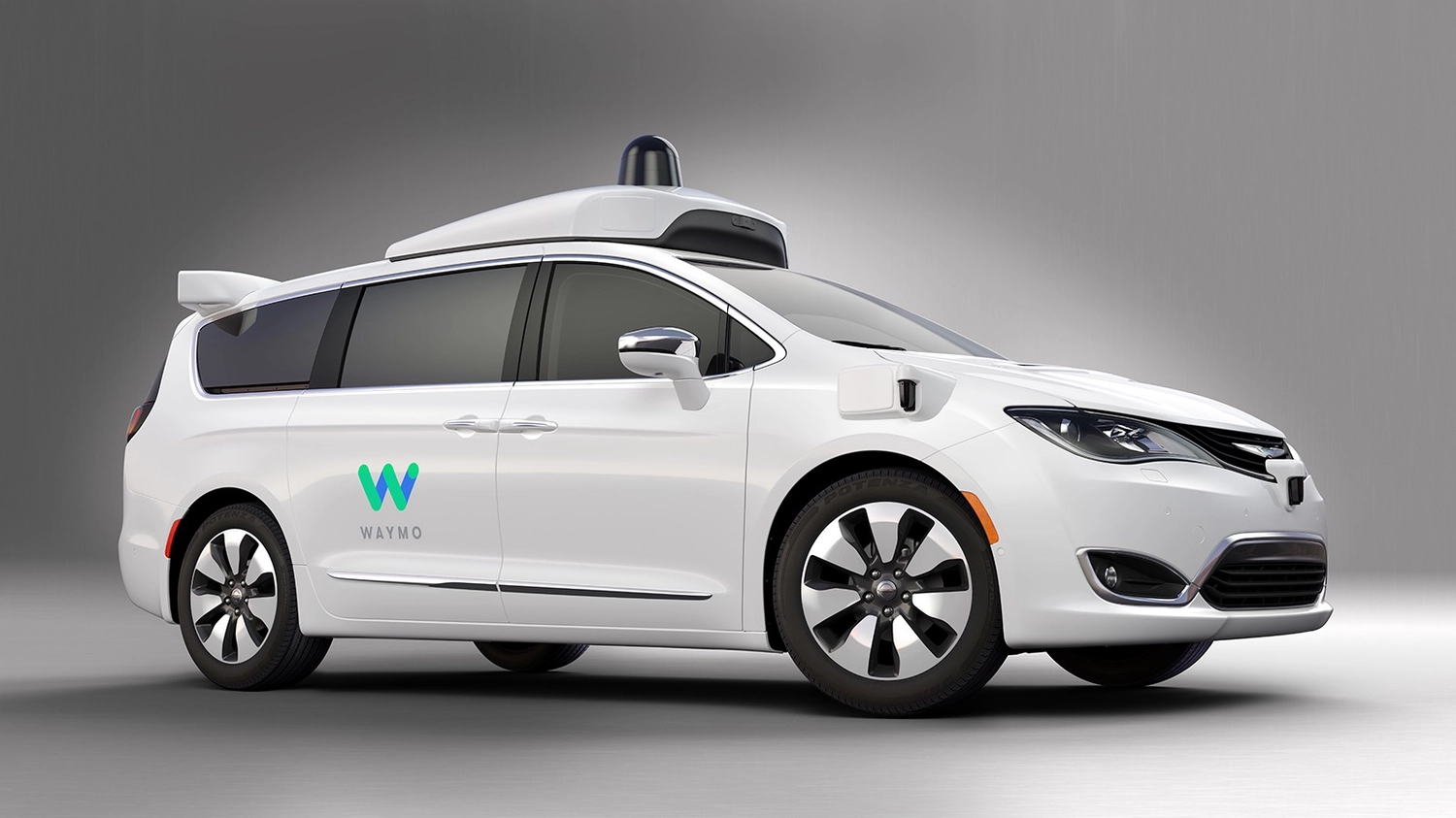
Waymo, the self-driving technology unit of Alphabet, announced on Wednesday that it will resume testing in New York City next month, bringing its autonomous vehicles back to Manhattan streets as it scales up U.S. operations.

The company has formally applied for a permit with the New York City Department of Transportation to conduct autonomous testing with a trained human operator behind the wheel. While the current phase will begin with manual driving, the permit would pave the way for New York’s first official autonomous vehicle test deployment on public roads.

“This is not an expansion, but we have every intention of bringing our fully autonomous ride-hailing service to the city in the future,” Waymo said in a statement.

New York State law currently prohibits fully driverless vehicle operation — a restriction Waymo is now lobbying to change.

Waymo first brought its vehicles to Manhattan in 2021, conducting manual driving and data collection exercises. The latest push signals its long-term commitment to eventually offering robotaxi services in one of the country’s most complex urban environments.

The move comes amid heightened competition in the self-driving industry. Rival Tesla is expected to launch a limited trial of its autonomous taxi service with just 10 vehicles this weekend, signaling growing industry momentum.

Meanwhile, Waymo continues to expand in California. The company announced Tuesday it will extend coverage to more areas of Silicon Valley and the San Francisco Peninsula after receiving state regulatory approval last month.

Currently, Waymo remains the only U.S. company operating robotaxi services with paying passengers, delivering over 250,000 weekly rides across San Francisco, Los Angeles, Phoenix, and Austin with a fleet of more than 1,500 autonomous vehicles.

Waymo Expands Robotaxi Service Across Bay Area and Los Angeles

Alphabet’s self-driving unit Waymo announced on Tuesday that it is expanding its robotaxi operations across more parts of the San Francisco Bay Area and Los Angeles, further cementing its lead as the only commercial robotaxi operator with paying customers in the U.S.

Following a recent greenlight from California regulators, Waymo’s autonomous ride-hailing service will now serve several new cities on the San Francisco Peninsula — including Brisbane, South San Francisco, San Bruno, Millbrae, and Burlingame. In Silicon Valley, it is broadening its reach in Palo Alto and Menlo Park.

In Los Angeles, starting Wednesday, Waymo will operate in:

  • Playa del Rey

  • Ladera Heights

  • Echo Park

  • Silver Lake

  • The full stretch of Sunset Boulevard

While San Jose is included in the regulatory approval, Waymo has not yet confirmed a launch timeline for service in the city.

Industry Context:

This expansion comes as Tesla prepares to debut its own paid robotaxi service in Austin, Texas, intensifying the competition in autonomous mobility. However, Waymo remains the only player operating at commercial scale — with over 1,500 vehicles completing more than 250,000 rides weekly across San Francisco, Los Angeles, Phoenix, and Austin.

As the self-driving sector gains momentum, Waymo’s growing footprint highlights the company’s strategy of incremental but steady expansion, banking on regulatory compliance and real-world data to maintain its edge.

Mexico Closes Antitrust Case Against Google, No Fines Imposed

Mexico’s Federal Economic Competition Commission (Cofece) announced on Friday the closure of its multi-year antitrust investigation into Google, clearing the tech giant of allegations related to monopolistic practices in the country. The probe, initiated in 2020, focused on Google’s digital advertising services both on its search engine and third-party websites.

Cofece’s investigation examined whether Google’s advertising platform design gave it an unfair advantage over competitors in the digital advertising market. The watchdog concluded that advertisers were not compelled to purchase ads on third-party sites to advertise on Google’s search engine, effectively negating claims of monopoly abuse.

A Google spokesperson welcomed the decision, stating, “We appreciate COFECE’s decision recognizing that our products give advertisers the freedom and control to use our tools in the ways that best suit their needs.”

Had Cofece found Google guilty, the company could have faced fines up to 8% of its annual revenue in Mexico. Although Alphabet does not publicly disclose specific revenue for Mexico, its “other Americas” region, which includes Latin America, generated approximately $20.4 billion in 2024.

Google continues to face antitrust scrutiny worldwide. In the United States, courts have ruled that Google holds unlawful monopolies in online search and advertising technologies. U.S. regulators have pushed for measures including data sharing and divestitures of key advertising assets to foster competition.