Yazılar

Germany’s Far Right Stirs Controversy Over Bauhaus Legacy in Ongoing Culture War

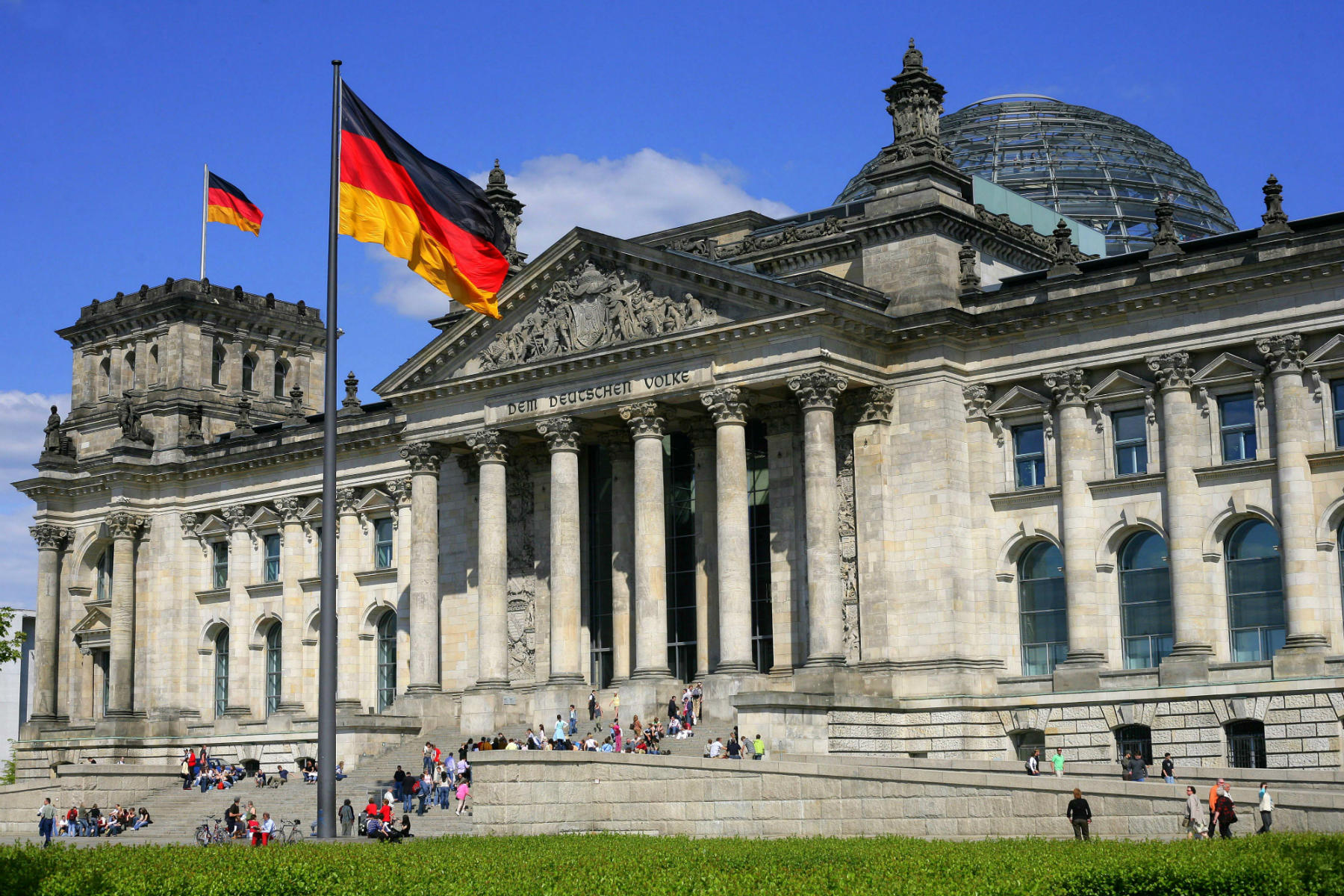
Germany’s far-right Alternative for Germany (AfD) party has stirred a heated debate over the Bauhaus movement, one of the 20th century’s most influential design schools, as the city of Dessau prepares to celebrate the centenary of Bauhaus’s move there in 1925. The AfD recently proposed that regional legislators avoid glorifying Bauhaus, claiming its cosmopolitan principles overshadow regional traditions, sparking backlash from supporters of the school’s cultural legacy. The proposal was promptly rejected by the Saxony-Anhalt parliament.

The Bauhaus, founded in 1919, aimed to blend traditional craftsmanship with industrial production and became a symbol of Germany’s interwar cultural renaissance, eventually attracting Jewish and international designers. Its avant-garde ethos was later banned under Nazi rule, making it a post-war symbol of cultural progress. However, the AfD’s criticism reflects its broader strategy of sparking cultural divides, framing itself as a defender of traditional values and national identity. This approach has been a key factor in its recent regional electoral success, underscoring AfD’s use of cultural issues to attract supporters amid economic challenges.

The Bauhaus Dessau Foundation’s Barbara Steiner notes that the AfD understands how cultural issues can resonate emotionally with the public. The movement’s international success in architecture and design, especially through icons like Ludwig Mies van der Rohe and Marcel Breuer, makes it a convenient target for the party’s narrative of defending “authentic” German culture. AfD legislator Hans-Thomas Tillschneider’s remarks in parliament further emphasized this tactic, framing Bauhaus as a fragile icon under critique.

The AfD’s stance on Bauhaus reflects a broader trend in conservative politics worldwide, where movements push back against modern design and cultural inclusivity to promote a return to traditional aesthetics, as seen with the Trump administration’s attempt to favor neoclassical architecture in federal buildings and Hungary’s Prime Minister Viktor Orban’s restoration of Budapest’s historic architecture.
 

Exit Polls Show Reprieve for Scholz as SPD Fends Off Far Right in Brandenburg Election

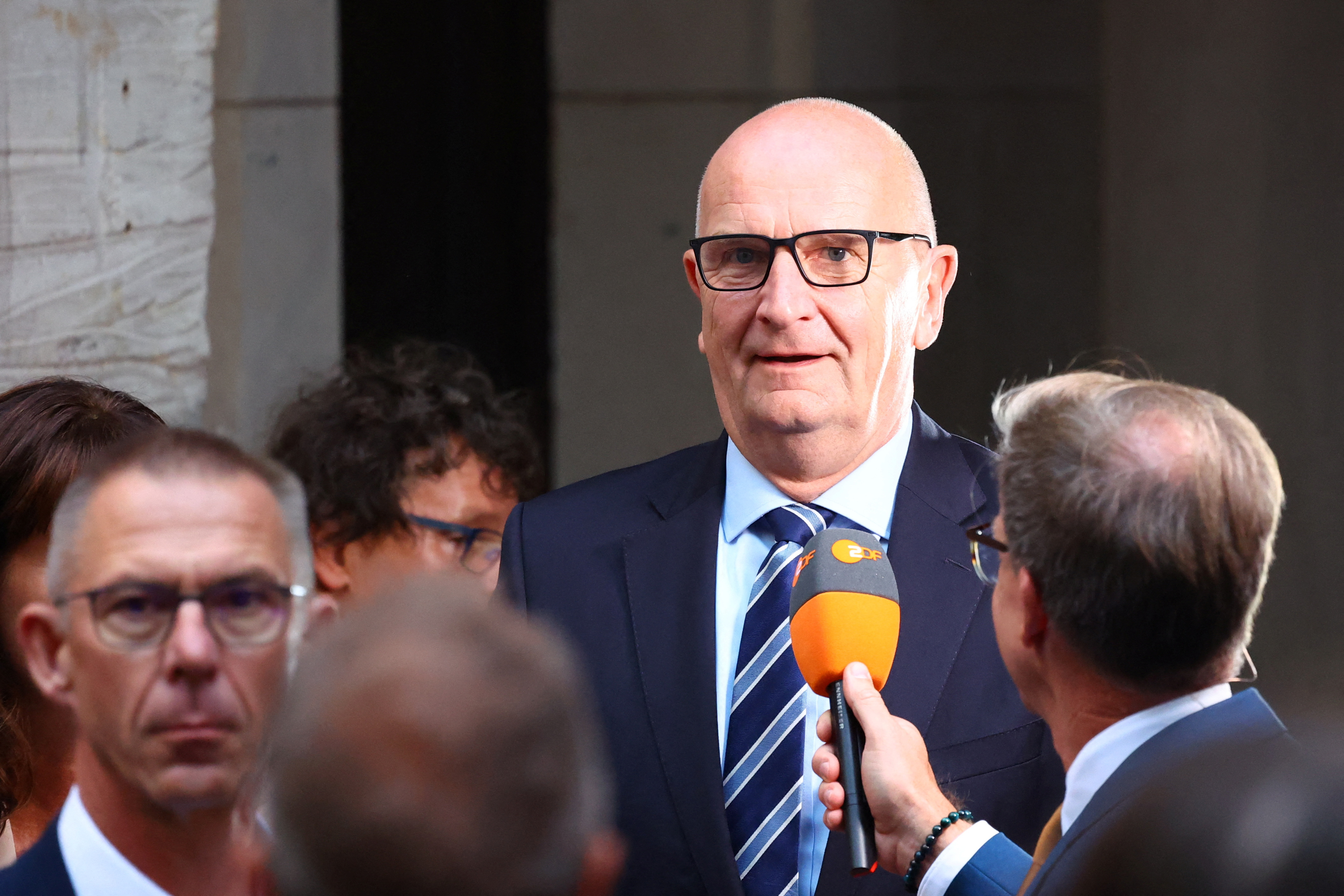
German Chancellor Olaf Scholz’s Social Democrats (SPD) appear to have narrowly held off the far-right Alternative for Germany (AfD) in the Brandenburg state election, according to exit polls. Despite trailing for much of the campaign, the SPD garnered 31.8% of the vote, while the AfD followed closely with 29.2%, according to ZDF broadcaster exit polls. This success may provide temporary relief for Scholz amid ongoing discussions within the SPD about his potential candidacy for the federal election in September 2025.

However, the victory is unlikely to significantly boost Scholz’s standing as Dietmar Woidke, Brandenburg’s SPD premier, distanced himself from the Chancellor and criticized federal policies during the campaign. SPD General Secretary Kevin Kuehnert acknowledged the party’s challenges but noted that the SPD had staged a “furious comeback” in the final weeks of the election.

According to an ARD exit poll, three-quarters of SPD voters cast their ballots to prevent the AfD from gaining control, with turnout reaching 73%, up from 61% in the previous election. On a national level, the SPD is polling at just 15%, significantly behind the opposition conservatives at 32% and the AfD at around 20%.

The election also highlighted growing dissatisfaction with Scholz’s coalition government, which has faced criticism for its internal conflicts and handling of immigration. Voters in eastern Germany have been particularly critical of the government’s support for Ukraine amid Russia’s invasion.

The election follows the AfD’s recent historic win in Thuringia, where it became the first far-right party to top a state election since World War II. In Brandenburg, the AfD gained 5.7 percentage points compared to the last election in 2019, signaling continued momentum. AfD co-leader Tino Chrupalla noted strong support from young voters, echoing trends seen in far-right parties across Europe.

Meanwhile, the newly formed leftist Alliance Sahra Wagenknecht came in third with 12%, followed by the conservatives at 11.6%. This result underscores the ongoing shifts in Germany’s political landscape, making future predictions difficult. The Greens, a junior partner in Scholz’s federal coalition, fell just short of the 5% threshold needed to enter the state parliament, while the Free Democrats (FDP) failed to make a significant impact.


Germany Tightens Borders Amid Rising Far-Right Pressure, Marking the End of ‘Welcome Culture’

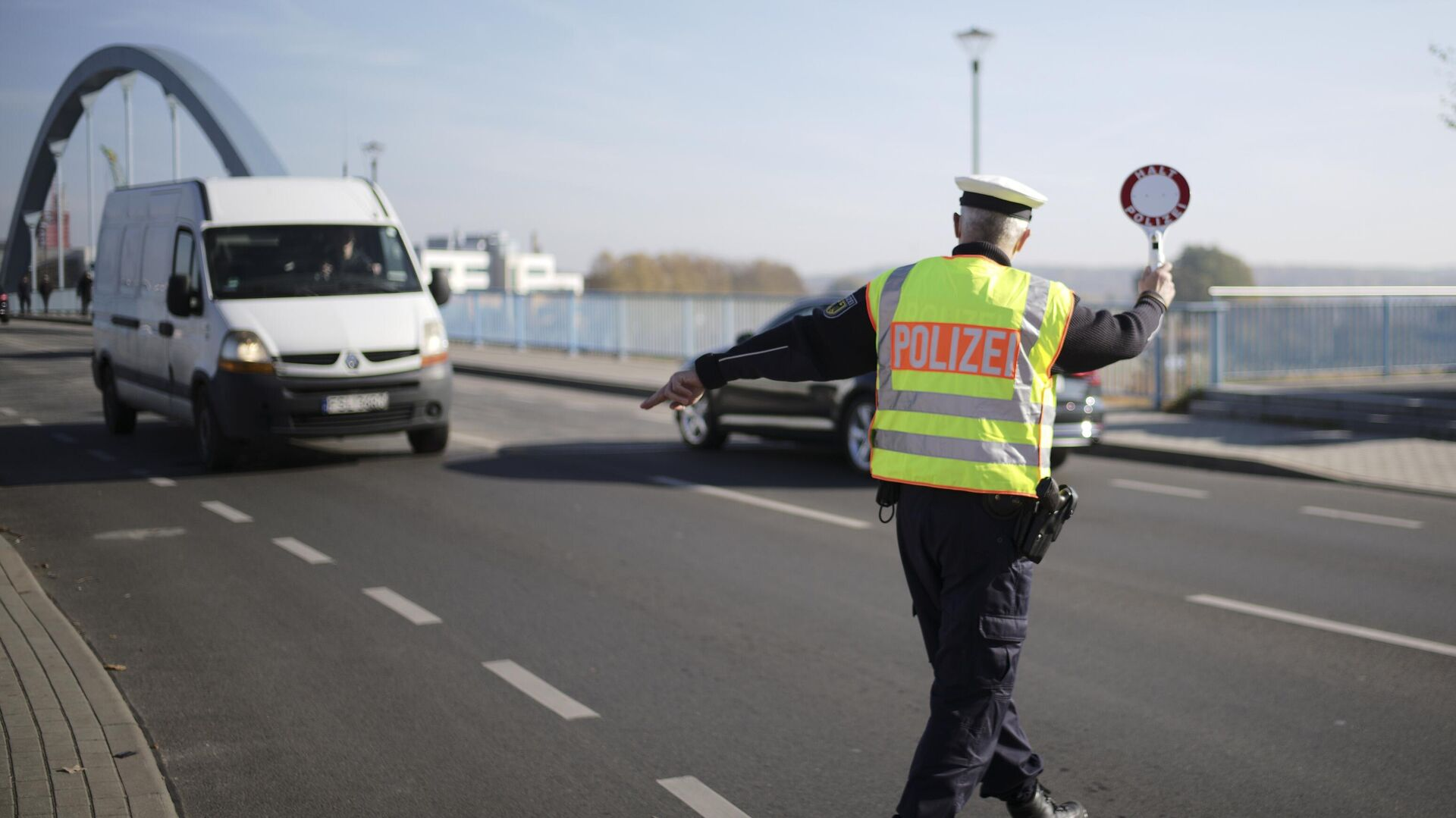
Germany has reintroduced border controls with several European countries, signaling a dramatic shift from its once liberal migration policies known as Wilkommenskultur. Chancellor Olaf Scholz’s government announced the reinstatement of controls at borders with Belgium, Holland, Luxembourg, France, Denmark, and others. These actions come as the far-right Alternative for Germany (AfD) party gains influence, pushing migration issues to the forefront of national debates.

Once a symbol of open borders, Germany is now responding to growing domestic pressure. The AfD, which has campaigned strongly on anti-immigration platforms, capitalized on recent terror attacks involving migrants and has seen electoral success in former East German states like Thuringia and Saxony. Their rise, along with public discontent over migration, has forced Scholz to tighten border policies, despite the potential backlash from EU neighbors.

AfD co-leader Alice Weidel has criticized Germany’s past approach, claiming the country had “become a place where anyone can enter unchecked.” As the AfD grows in prominence, Scholz’s government faces challenges in maintaining support, especially as polls in Brandenburg suggest further losses for the ruling Social Democratic Party.

Germany’s new stance represents a significant departure from the policies of former Chancellor Angela Merkel, who opened the country’s doors to millions of refugees in 2015. The shift also poses a challenge to the broader Schengen zone, as growing concerns over migration lead to stricter border control measures across Europe.