Yazılar

HyperOS 3 Based on Android 16 Expected to Launch in Q3 2025, Possibly with Xiaomi 16

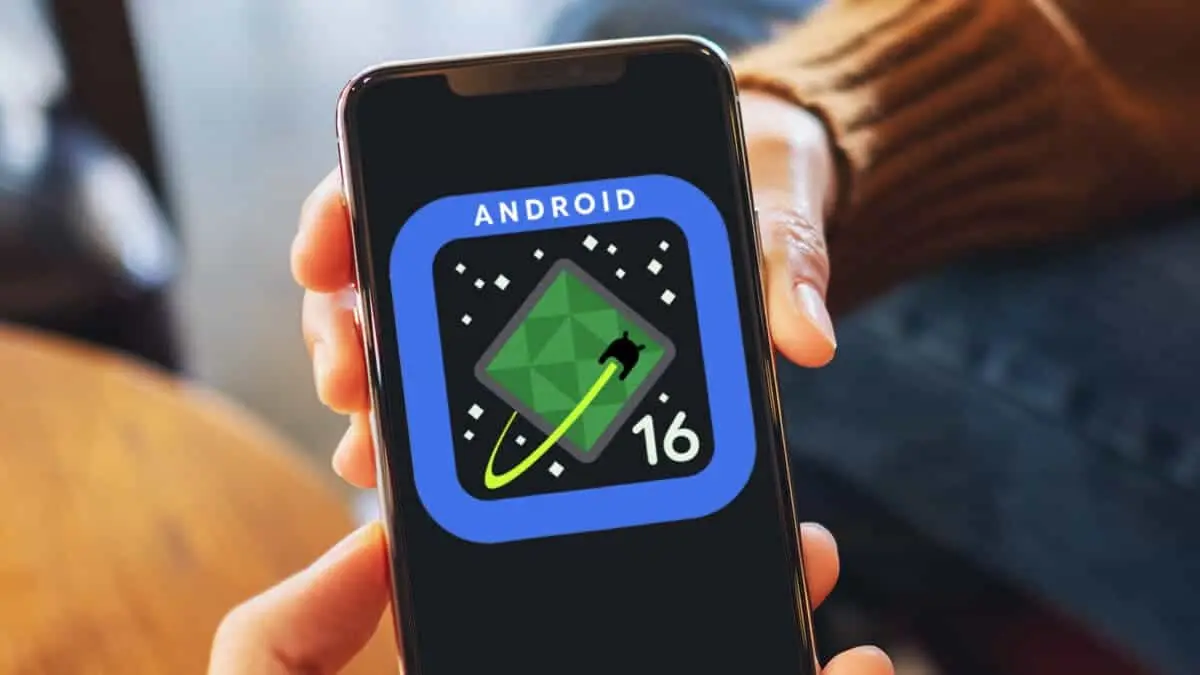
Earlier this year, Xiaomi launched HyperOS 2, a new operating system based on Android 15, alongside its Xiaomi 15 series on the global stage. Now, rumors are swirling about the next iteration, HyperOS 3, which is expected to be built on Android 16. According to a well-known tipster, this latest version of Xiaomi’s OS could arrive as soon as the third quarter of 2025, potentially coinciding with the launch of the much-anticipated Xiaomi 16 smartphone. This timeline aligns closely with Google’s expected release of Android 16, rumored to happen next month.

The release schedule for HyperOS 3 was shared by tipster Digital Chat Station on Weibo, hinting that Xiaomi aims to unveil the new OS during Q3 2025. It is anticipated that HyperOS 3 will come pre-installed on the Xiaomi 16 series, which is expected to debut in China around September or October—mirroring the timing of previous Xiaomi releases like the Xiaomi 15. The synchronization of OS and device launches suggests Xiaomi’s continued strategy of tightly integrating hardware and software to deliver a cohesive user experience.

Meanwhile, Xiaomi has not been idle on the software front and is reportedly rolling out the stable HyperOS 2.2 update to a dozen devices within its lineup. This update focuses on enhancing system smoothness, improving battery optimization, and boosting overall responsiveness. Among the notable changes are a redesigned notification management system and new AI-driven features designed to enhance productivity and camera capabilities, including the introduction of Camera Interface 6.0.

Additionally, HyperOS 2.2 aims to deepen integration across Xiaomi’s ecosystem, allowing for better cross-device connectivity and user convenience. These ongoing improvements reflect Xiaomi’s commitment to refining its operating system and expanding its feature set as it prepares to transition to HyperOS 3, which is expected to push the envelope even further when it launches later in 2025.

Google I/O 2025 Kicks Off Today: Here’s How to Tune In to the Keynote Live Stream

Google I/O 2025 is just hours away, and excitement is building as the tech giant prepares to unveil a range of new software features and innovations. The event promises to spotlight the next wave of developments across Google’s ecosystem, including updates to Android 16 and Wear OS 6. Recent teasers suggest a strong emphasis on artificial intelligence (AI), indicating that AI-powered enhancements will play a central role in the announcements at this year’s annual developer conference. Additionally, Google is expected to reveal more about Android XR, its upcoming operating system designed specifically for extended reality (XR) devices, signaling a push into the immersive technology space.

The event’s schedule includes a highly anticipated keynote address by Google CEO Sundar Pichai, set to take place at 10 a.m. Pacific Time (10:30 p.m. IST) at the Shoreline Amphitheatre in Mountain View, California. This opening keynote will lay out Google’s vision and showcase the most important new features and products. For developers and tech enthusiasts who want to dive deeper, a more technical developer keynote will follow later, starting at 2 a.m. IST, providing detailed insights into Google’s software and platform updates.

Throughout the first day of Google I/O 2025, attendees and viewers can look forward to sessions focused on AI, Android, web technologies, and cloud computing. These sessions will begin streaming live at 3 a.m. Pacific Time (4 a.m. IST), offering a comprehensive look at the tools and innovations that Google plans to make available to developers and users alike. If you miss any of the live sessions, recorded replays will be available for viewing afterward, ensuring that no important announcements or technical details are missed.

For those eager to watch the event live, Google I/O 2025 will be streamed through the official Google for Developers YouTube channel. This means you can easily tune in using a web browser or the YouTube app on any mobile device. The event’s accessibility makes it easy for a global audience to follow along with the announcements and explore the future direction of Google’s software and services. Additionally, day two of the conference on May 21 will continue with more in-depth sessions, streamed live and available for replay, allowing developers and fans to keep pace with all the latest updates.

Android 17 Expected to Introduce Desktop Mode on Pixel Devices, Featuring Enhanced Multitasking

Google has been working on a dedicated desktop mode for Android devices for several years, aiming to bring a more seamless desktop experience to smartphones and tablets. This feature, known as Android Desktop Mode, was initially expected to launch alongside Android 16. However, recent leaks suggest that its debut may now be pushed back to Android 17, giving Google additional time to refine the user interface and overall experience.

According to tipster Mishaal Rahman, Android Desktop Mode will allow users to connect their Pixel phones to external displays, such as laptops or monitors, via USB Type-C. Once connected, the phone could switch to a desktop-style interface, similar to Samsung DeX or Motorola Connect. This mode is expected to support multitasking with resizable and movable windows, making it easier for users to work across multiple apps simultaneously, mimicking a traditional computer setup.

The upcoming desktop mode will likely include essential desktop-like features such as an app management system, a taskbar, and intuitive navigation elements to enhance usability. A developer option to “Enable desktop experience features” was even spotted in the Android 16 beta, hinting that Google has been testing the groundwork for this functionality. However, despite these early signs, the feature’s broader rollout seems to be delayed as Google focuses on polishing the interface.

By targeting Android 17 for the official release, Google hopes to deliver a more polished and fully functional desktop mode experience, especially on its next-generation Pixel phones. If successful, this could transform how users interact with their mobile devices, offering a flexible environment that bridges the gap between mobile convenience and desktop productivity.