Yazılar

iPhone’s 20th Anniversary Edition Set to Feature Bold New Glass-Centric Design, Report Claims

Apple’s iPhone 17 series is set to introduce a few design updates, including the anticipated release of a new iPhone Air, but these changes are not expected to be as radical as the transformations seen with past models like the iPhone 12 or iPhone X. Despite years of iterative updates, Apple’s design approach for its iPhones has largely remained unchanged since the iPhone 12, which means many users have yet to see a significant departure from the existing design. However, new insights suggest that Apple is preparing for a much bolder redesign when it comes to the iPhone 19 series, expected to debut in 2027.

Mark Gurman from Bloomberg, a reliable source for Apple leaks, recently shared some exciting details about the 20th anniversary iPhone in his weekly “Power On” newsletter. According to Gurman, Apple is planning a “major shake-up” for this milestone release, with a particular focus on a new design direction. Notably, Gurman mentions that Apple is working on a foldable version of the iPhone, but it’s the iPhone 19 Pro model that will reportedly feature a groundbreaking design making “extensive use of glass.” This marks a significant shift, as Apple is poised to experiment with materials and aesthetics in ways they haven’t done in recent years.

The heavy reliance on glass for the iPhone 19 Pro’s design recalls the original vision of Jony Ive, Apple’s former design chief. Ive famously envisioned an iPhone that could appear to be made from a single sheet of glass, an idea that was partially realized with the iPhone X. While modern iPhones are often referred to as “slabs of glass,” they have grown bulkier and more complex since the sleek days of the pre-iPhone X designs. The concept of an entirely glass-centric phone seems poised for a comeback, bringing with it the potential for a more minimalist and refined aesthetic.

This shift could redefine the iPhone’s visual identity as we know it, possibly bringing the brand back to its roots of simplicity and elegance. With the iPhone 19 series, Apple seems ready to embrace a design philosophy that reflects a more futuristic and visually seamless device. As we look ahead to 2027, it will be fascinating to see how Apple integrates this bold new glass-based design into its lineup, potentially transforming the smartphone landscape once again.
Android 16 Could Bring Mouse Cursor Transitions and Advanced External Display Controls

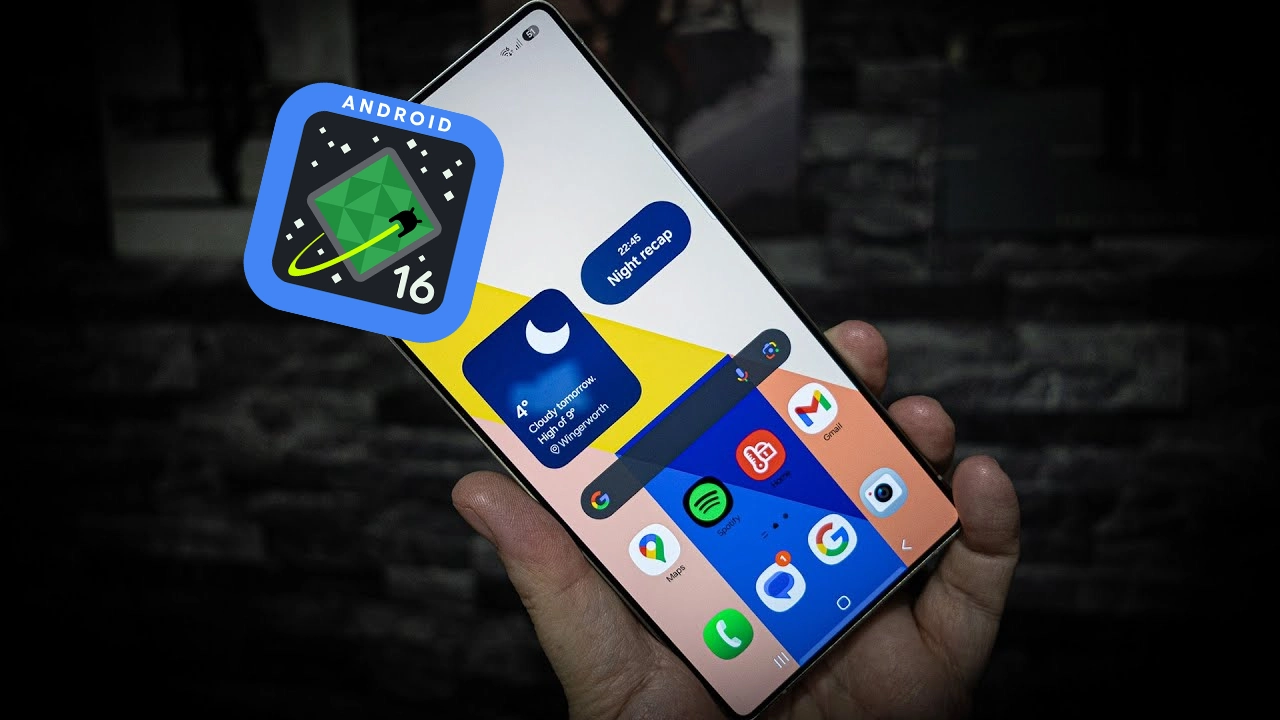
Android 16 is currently in development as Google’s next-generation operating system for smartphones, and new reports suggest it may introduce enhanced tools for external display management. Expected to launch in the summer, this update could bring features that improve how users interact with multiple screens. Among the rumored changes, Android 16 might allow users to rearrange external displays more easily and offer seamless options to switch between mirroring and extending their phone’s screen. These upgrades could significantly improve the multitasking experience on Android devices.

A report from Android Authority, authored by Mishaal Rahman, sheds light on Google’s efforts to refine external display support in Android 16. According to the findings, one of the major additions could be mouse cursor transitions, allowing smoother movement across connected displays. This feature would make using an external monitor with an Android device feel more like working on a traditional desktop operating system, such as Windows or macOS. By implementing cursor transitions, Google aims to enhance usability for those who connect their smartphones to larger screens for work or entertainment.

In addition to improved cursor movement, Android 16 may also introduce a dedicated toggle for switching between screen mirroring and extended display modes. Currently, users often need to dive into developer settings and reconnect their devices to adjust these options. The proposed toggle would simplify the process, making it more accessible for everyday users who frequently use their Android phones with external monitors or docks. This change could benefit professionals who rely on their smartphones as portable computing devices.

To verify these potential features, the report connected a Google Pixel 8 Pro to the NexDock XL and explored Android’s External Display settings. While the enhancements are still in testing, they highlight Google’s growing focus on improving Android’s usability beyond mobile screens. If implemented, these changes could position Android 16 as a more versatile OS, catering to users who seek a desktop-like experience on their smartphones.

Samsung Reportedly Testing One UI 8 Based on Android 16 for Galaxy S25 Series

The Samsung Galaxy S25 series, launched in January, came pre-installed with One UI 7, based on Android 15. While the rollout of this OS to other devices in Samsung’s portfolio is still underway, the company is already preparing for its next major update. According to recent reports, Samsung has started testing One UI 8, which is expected to be based on Android 16. A tipster uncovered an internal test build of the new OS on the company’s servers, indicating that Samsung has begun development of the next-generation software.

This information was shared by @tarunvats33 on X (formerly Twitter), where the tipster revealed that the internal build of One UI 8 had been listed as a “newfound test firmware.” The build, identified by version numbers S938BXXU1BYC1/S938BOXM1BYC1/S938BXXU1BYC1, marks the beginning of testing for Samsung’s future OS update. This early start to development suggests that the company is working ahead of schedule, beginning the process about two months earlier than usual. However, it’s important to note that this doesn’t mean beta testing has started yet, and the public rollout is expected to follow Samsung’s usual timeline later in the year.

One UI 8 will likely be based on Android 16, which is expected to be officially released in June 2025. An official from Samsung recently confirmed that Android 16 would be launched in that timeframe, with a possible move to the Android Open Source Project (AOSP) by June 3, 2025. Once this happens, developers will be able to start creating custom versions of the OS for different devices, leading up to its public release. The launch of One UI 8 will bring new features and improvements to the Galaxy S25 series and other Samsung devices, further enhancing the user experience.

The early development of One UI 8 demonstrates Samsung’s commitment to staying ahead of the curve in the competitive smartphone market. With Android 16’s official release in the pipeline, users can expect significant updates that will enhance both performance and functionality. Samsung is likely to continue refining One UI 8 throughout the year, ensuring a smooth and polished experience when it eventually reaches devices worldwide.