Yazılar

Star Wars: Hunters Heads to PC Early Access in January Following Steam Playtests

Star Wars: Hunters, the squad-based PvP shooter developed by Zynga, is expanding its reach to PC players. After its initial release on Nintendo Switch, iOS, and Android in June, the game will now be available on Steam in early access starting January 27, 2025. This marks a significant step in the game’s evolution, bringing it to a broader audience and catering to the demand from the PC gaming community. Before its early access debut, two rounds of Steam playtests have been scheduled to fine-tune the gameplay experience.

Zynga officially announced the PC launch on Tuesday, inviting players to sign up for Steam playtests. The first playtest will run from December 13 to December 16, offering participants a chance to explore the game’s features and provide feedback. A second playtest is scheduled from January 10 to January 13, ensuring further refinements before the game’s wider release. These playtests will allow Zynga to address potential issues and gather insights to optimize the PC gaming experience.

The official announcement expressed excitement about bringing the Star Wars: Hunters experience to PC, acknowledging the strong demand from fans. “We are officially bringing Star Wars: Hunters to PC! We can’t wait for you all to experience the game on PC and know this is something that the community has been asking for a long time,” the statement read. The move to PC is expected to enhance the game’s competitive arena dynamics, leveraging the platform’s capabilities for improved graphics and control precision.

With its team-based combat set in the Star Wars universe, Star Wars: Hunters has already captured the interest of fans across various platforms. Expanding to PC is likely to solidify its player base and introduce the game to a new audience eager to engage in epic battles with iconic characters and settings. The early access launch on January 27 is set to be a pivotal moment for the game, as it enters one of the most competitive gaming markets.

Android 16 Developer Preview 1 Launched: New Features, Release Timeline, and Compatible Devices

Google has officially launched the first developer preview of Android 16, marking an early entry into the Android 16 development cycle. The release comes ahead of schedule, with the previous Android 15 developer preview having debuted in February 2024. This move signals Google’s intention to provide more time for developers to adapt to the new features and APIs. As with previous developer previews, Android 16 Developer Preview 1 will be available for download on Pixel smartphones, specifically targeting developers who can begin testing their apps on the new system. The developer preview will run from November 2024 until the final public release in 2025, though users should be aware that it may include bugs and incomplete features.

New Features in Android 16 Developer Preview 1
The first developer preview of Android 16 introduces several new features aimed at improving both user experience and developer capabilities. One of the standout additions is an embedded photo picker, allowing users to more easily manage and select photos within apps while maintaining their privacy. Additionally, Android 16 introduces medical record support, which could be a significant step toward better integration of health-related apps and services on Android devices. Another key update is the Privacy Sandbox, an enhanced privacy framework designed to limit tracking and improve data protection for users, aligning with Google’s ongoing commitment to user privacy.

Android 16 Release Timeline
Google has confirmed a more accelerated release timeline for Android 16 compared to previous Android updates. Following the launch of the first developer preview, the company plans to release a stable version of Android 16 by the second quarter of 2025. In addition to the public release, Google also intends to launch another update in the fourth quarter of 2025, which will include new developer APIs. This will allow developers more time to refine their apps and take full advantage of the new features and improvements that Android 16 brings.

What’s Next for Android 16
As the developer preview progresses, Android 16 will continue to evolve, with more features and optimizations expected in upcoming previews. Google’s goal is to ensure that Android 16 is fully optimized for both performance and user experience, and the developer preview provides an early chance for the community to get involved in testing and providing feedback. By the time the public release arrives, Android 16 is expected to be a robust, feature-rich update that offers significant improvements over its predecessors, particularly in the areas of privacy, photo management, and app integration. Developers are encouraged to dive into the preview to ensure their apps are ready for the upcoming changes.

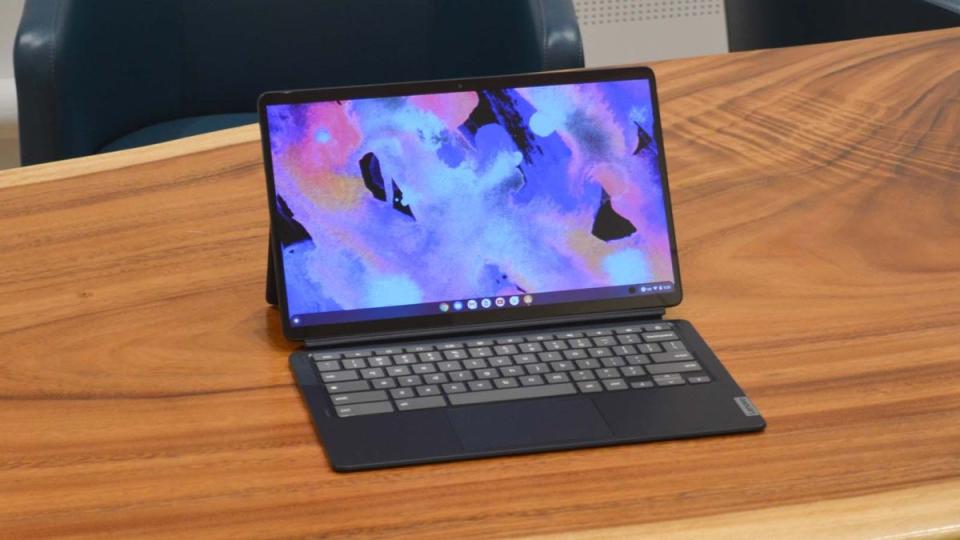
Google Aims to Transform ChromeOS into Android for Stronger Competition with iPad

Google has long maintained separate operating systems (OS) for its various devices. Android powers smartphones, while ChromeOS is the go-to for Chromebooks. However, the intersection of these two OSs occurs in the tablet space, where both systems have been utilized. According to recent reports, this overlap may soon come to an end. Google is said to be planning a bold move to transform ChromeOS into Android, aiming to create a more competitive product that can rival Apple’s iPad and its iPadOS.

The project, according to sources close to the matter, is a multi-year initiative designed to merge the strengths of Android and ChromeOS into a single hybrid platform. This move is seen as an effort to streamline Google’s approach and improve resource management across its engineering teams. By combining the best features of both operating systems, Google aims to create a more cohesive and powerful solution for tablet users, taking a direct shot at the dominance of iPadOS in the tablet market.

One of the key motivations behind this shift is to increase the app ecosystem available on tablets running Google’s OS. Android is home to a massive library of apps, and by fully integrating ChromeOS into this ecosystem, Google hopes to offer a more robust platform that attracts both developers and consumers. With a unified OS, developers will have a larger pool of users to tap into, which could lead to greater opportunities for monetization and app growth.

The move is also designed to better compete with the iPad in terms of both performance and usability. Apple’s iPad has become a dominant force in the tablet market, largely due to its refined OS and rich app ecosystem. Google’s plan to migrate ChromeOS into Android is seen as a way to catch up, offering a more seamless experience for users who want the flexibility of Android while using their devices in tablet form. As more details about the project emerge, it’s clear that Google is committed to making a significant play in the tablet space.