Yazılar

Musk Threatens Legal Action Against Apple Over App Store Rankings

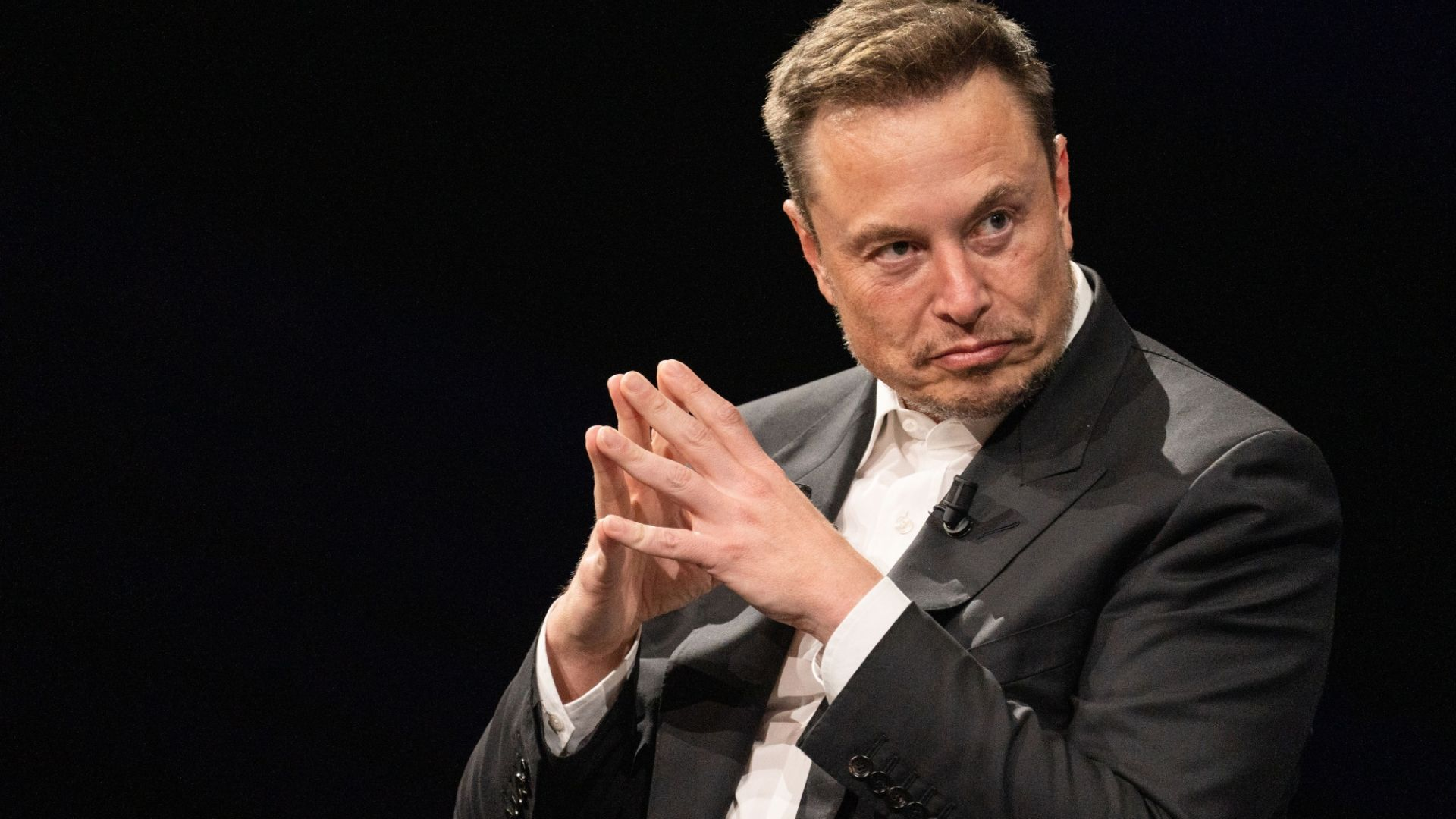
Elon Musk announced on Monday that his AI startup xAI will pursue legal action against Apple, accusing the tech giant of violating antitrust rules by allegedly favoring OpenAI’s ChatGPT in App Store rankings.

Musk claimed Apple’s App Store policies make it “impossible for any AI company besides OpenAI to reach #1,” calling the practice a “clear antitrust violation.” At present, ChatGPT is ranked first in the U.S. App Store’s “Top Free Apps,” while xAI’s chatbot Grok stands in fifth place.

Musk also criticized Apple for not featuring X (formerly Twitter) or Grok in its “Must Have” section, despite X being the “#1 news app globally” and Grok ranking among the top five apps. He suggested Apple might be “playing politics” in its selection process.

Apple, OpenAI, and xAI did not respond to Reuters’ requests for comment. However, OpenAI CEO Sam Altman pushed back against Musk’s claims, pointing out the irony by referencing Musk’s own alleged efforts to manipulate X for personal advantage.

Community fact-checkers on X highlighted that other AI apps, such as China’s DeepSeek and Perplexity AI, have reached the top spot in the App Store this year, undermining Musk’s argument that only OpenAI benefits from Apple’s system.

The dispute comes amid increasing regulatory scrutiny of Apple’s App Store dominance. Earlier in 2024, the EU fined Apple €500 million ($581 million) for anti-competitive practices, ruling that the company’s restrictions prevented app developers from directing users outside the App Store ecosystem.

Musk’s challenge may add further pressure to global regulators already investigating Apple’s control over app distribution and its partnerships with AI companies.


Apple Appeals €500 Million EU Fine Over App Store Restrictions

Apple has officially filed a lawsuit challenging a €500 million ($587 million) antitrust fine imposed by the European Commission, contesting claims it violated the Digital Markets Act (DMA). The tech giant submitted the appeal on Monday, the final day to do so, at the EU’s General Court, the bloc’s second-highest legal authority.

The Commission ruled in April 2025 that Apple had unlawfully restricted app developers from directing users to cheaper payment options outside the App Store, a practice viewed as anti-competitive under the DMA.

In a public statement, Apple argued that the decision “goes far beyond what the law requires,” adding that the imposed fine was “unprecedented” and that the Commission is now effectively mandating how we run our store. Apple said it changed its policies to avoid daily fines of up to €50 million, or 5% of its average global daily revenue.

Despite modifying its App Store rules last month to comply with EU regulations, Apple insists the changes were made under protest, calling the Commission’s stance “confusing for developers and bad for users.” The company maintains that its original policies were fair and necessary for maintaining quality and user safety within the App Store ecosystem.

The European Commission has begun gathering feedback from developers to assess whether Apple’s revised App Store practices meet the obligations of the DMA. A decision on whether further changes will be required is still pending.

The case represents a significant moment in the EU’s broader campaign to rein in the influence of Big Tech, using the DMA to challenge gatekeeper platforms like Apple, Meta, Google, and Amazon. It also marks one of the first major legal battles under the DMA framework, setting a precedent for how tech firms may operate across the EU going forward.

Dutch Court Confirms Apple Abused Dominant Market Position in Dating App Case

A Dutch court has upheld a 2021 ruling by the Netherlands Authority for Consumers and Markets (ACM), confirming that Apple abused its dominant position in the dating app market through restrictive practices imposed via its App Store.

The Rotterdam District Court ruled that Apple was unfairly forcing dating app developers to use its in-app payment system, prohibiting references to alternative payment methods, and charging up to 30% commission (or **15% for smaller developers). These practices, according to the court, violated EU antitrust regulations.

In 2021, ACM had fined Apple €50 million ($58 million) for failing to comply with its order to change these app store policies. Monday’s court decision affirms that the regulator was justified in both its assessment and the penalties it imposed.

Apple announced it will appeal the ruling, defending its policies as protective of user privacy and security. “This ruling undermines the technology and tools we’ve created to benefit developers and protect users’ privacy and security, and we plan to appeal,” an Apple spokesperson said in a statement to Reuters.

The case highlights growing regulatory scrutiny of Apple’s App Store rules, which have come under fire in several jurisdictions for being anti-competitive. It also adds to the pressure from EU’s Digital Markets Act (DMA), which is designed to open digital markets and limit the control of dominant platforms.