Yazılar

Apple Could Use DeepSeek to Introduce Apple Intelligence in China

Apple might be exploring the possibility of integrating DeepSeek’s artificial intelligence (AI) models into Apple Intelligence to navigate China’s strict AI regulations. A recent leak from a China-based source suggests that the Cupertino-based company is testing DeepSeek R1, an AI model focused on reasoning, as a potential alternative to its in-house AI models. Currently, Apple has not been able to roll out Apple Intelligence features in China due to stringent regulatory policies. If these reports are accurate, leveraging a China-developed AI model could provide Apple with a viable entry point into the market.

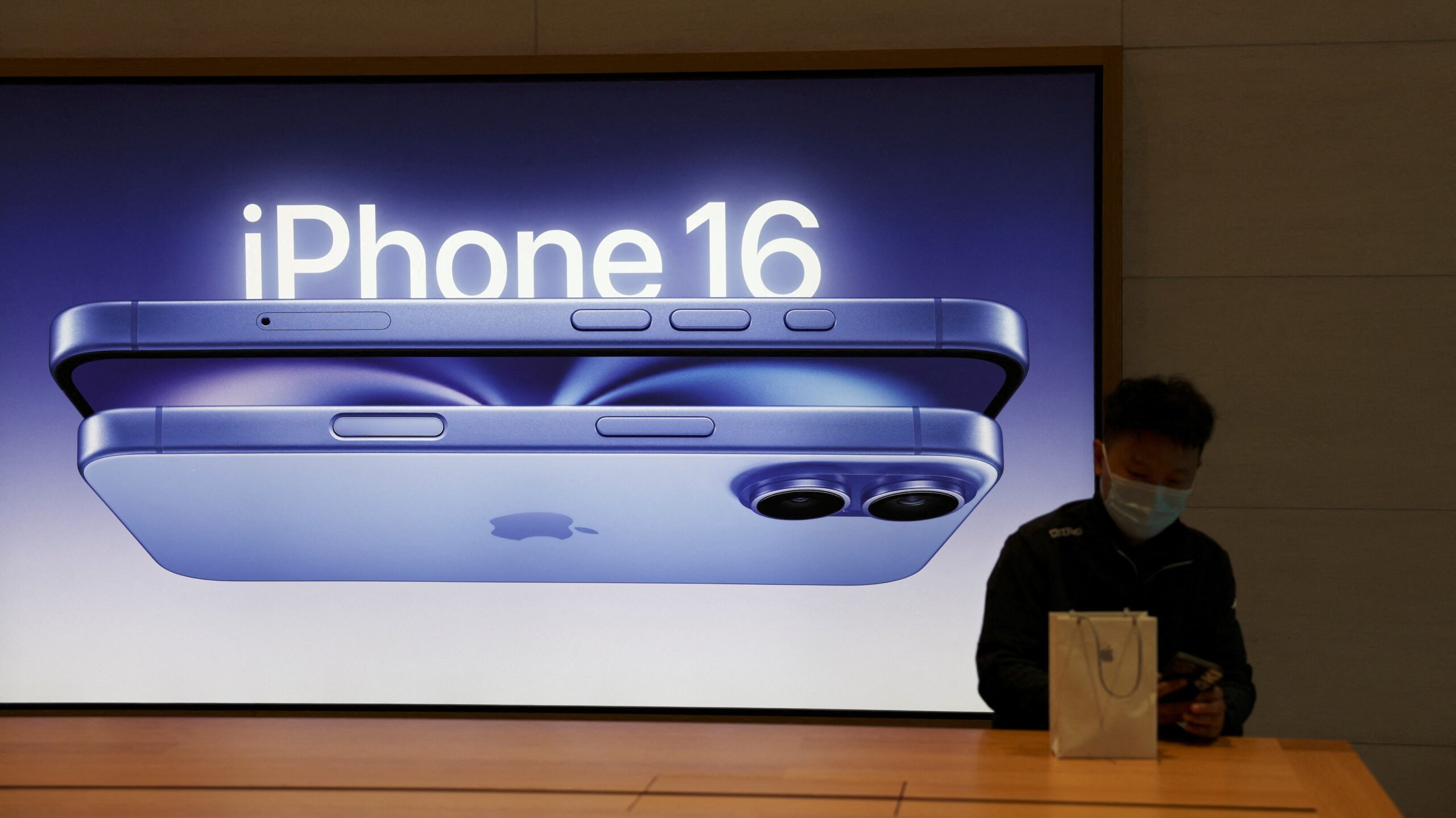
A tipster from Guangdong, known as Fixed Focus Digital, shared on Weibo that Apple CEO Tim Cook sees DeepSeek as a promising solution. DeepSeek, a Chinese AI firm, released its reasoning model under an MIT license, making it available for commercial use. Apple could potentially replace its native AI models and even ChatGPT-powered features within Apple Intelligence with DeepSeek R1. However, China requires AI-powered platforms, software, and devices to be certified by government authorities before launch. So far, no foreign AI model has been approved unless it was developed and hosted within China. This restriction has hindered Apple from introducing its AI capabilities in the country, even with the iOS 18.1 update. Given that the iPhone 16 lineup was heavily marketed with Apple Intelligence, the lack of AI features has reportedly impacted sales.

Previously, Apple was rumored to be in discussions with Alibaba and Baidu to integrate their AI technologies. However, the latest leak suggests that the company is now considering DeepSeek R1 as a more viable solution. If true, this move could address two critical challenges for Apple. First, since DeepSeek was developed within China, it would likely meet regulatory requirements more easily. Second, it would enable Apple to offer AI-powered experiences in China without relying on non-compliant external AI providers.

This potential partnership signals Apple’s determination to bring its AI-powered features to one of its most important markets. While the company has yet to confirm these reports, the move would align with Apple’s broader strategy of adapting to local regulatory environments to maintain its global market presence. If Apple successfully integrates DeepSeek R1 into Apple Intelligence, it could pave the way for a broader AI rollout in China while avoiding regulatory roadblocks.

iOS 18.3 Beta Temporarily Disables Apple Intelligence Notification Summaries for Certain Apps

Apple has temporarily disabled its Apple Intelligence notification summaries feature for some apps following criticism over errors in news headline summaries. The feature, which was introduced with the iOS 18.1 update, was designed to condense notifications into easily digestible summaries for users, helping them quickly scan through key details. However, the AI tool behind the feature has faced backlash after it inaccurately summarized news notifications. One notable incident occurred when the AI misrepresented a Washington Post news notification, drawing criticism from both users and the publication.

The issues didn’t stop there, as in December 2024, the BBC raised concerns with Apple about the feature generating incorrect summaries. The BBC’s complaint centered around a summary that inaccurately suggested a person named Luigi Mangione, who had been convicted of the murder of the UnitedHealthcare CEO, had committed suicide. This error led to widespread concerns about the reliability of the feature, particularly when it comes to handling sensitive and important news stories. As a result, Apple decided to temporarily disable the notification summaries to address these issues before they reintroduce the feature with improvements.

The Apple Intelligence notification summaries feature, which was an opt-in addition for iPhone users, had been aimed at improving the notification experience by presenting summaries of notifications from selected apps. Users had the ability to choose which apps’ notifications would be included in the summary, offering greater control over the information they received. However, as the feature was rolled out to eligible devices, reports surfaced of it delivering inaccurate information, particularly in news app notifications. This raised questions about the accuracy of AI-generated summaries, especially for users who rely on notifications for timely and factual updates.

Apple has acknowledged the concerns and is reportedly working to resolve the issues with the AI tool. The temporary disabling of the feature reflects the company’s commitment to fixing the errors and ensuring that it can reliably summarize notifications without compromising accuracy. Once the problems have been addressed, Apple plans to re-release the feature to the public, potentially with improvements that will better handle the complexities of summarizing news content and other notifications.

Apple Reportedly Negotiating with Tencent and ByteDance to Introduce iPhone AI Features in China

Apple Explores AI Integration with Tencent and ByteDance for Chinese iPhones

Apple is reportedly in discussions with Chinese tech giants Tencent and ByteDance to integrate their artificial intelligence (AI) models into iPhones sold in China, according to sources familiar with the matter. The move signals Apple’s efforts to adapt to China’s stringent regulatory landscape while enhancing the functionality of its flagship devices in one of its largest markets.

The Cupertino-based company recently began rolling out OpenAI’s ChatGPT integration into its devices as part of the Apple Intelligence suite. This upgrade enables Siri to leverage the chatbot’s expertise, assisting users with complex queries, including those related to photos and documents. However, with ChatGPT unavailable in China due to regulatory restrictions, Apple is seeking local partnerships to bring similar functionality to Chinese users.

China’s strict regulations require generative AI services to obtain government approval before their public release. These restrictions have pushed Apple to collaborate with Tencent and ByteDance, two of the country’s leading tech companies, to ensure compliance while offering advanced AI features. Such partnerships are crucial as Apple faces increased competition and a shrinking market share in the region.

By aligning with trusted local firms, Apple aims to maintain its relevance in the Chinese market while navigating regulatory challenges. If successful, the collaboration could pave the way for a localized AI ecosystem that benefits both Apple and its users in China, reinforcing the company’s commitment to innovation and adaptability.