

In a recent podcast, Apple executives revealed an important decision made by the company’s engineers in 2017 that laid the groundwork for the introduction of Apple Intelligence in devices like the M1 Mac models. Tim Millet, Apple’s Vice President of Platform Architecture, and Tom Boger, Senior Director of Mac & iPad Product Marketing, discussed how the decision to incorporate neural networks into the M1 chipset made the devices AI-ready, even before the explosion of generative AI in 2022. This forward-thinking move by Apple enabled its hardware to support advanced artificial intelligence features years before they became mainstream.
The key moment came in 2017 when Apple engineers became aware of the emerging potential of neural networks, just after the publication of the first papers on the subject. This technology would later evolve into transformer networks, the very foundation of today’s generative AI systems. The decision to build the M1 chipset with these capabilities in mind was ahead of its time, as it was released in 2020, a full two years before generative AI started dominating the tech landscape. This strategic foresight positioned Apple to leverage AI in a way that competitors struggled to match.
The executives also discussed how the M1 chipset integrates AI in a way that is tightly coupled with Apple’s hardware and software ecosystem. By embedding neural networks directly into the hardware, Apple ensured that AI functionalities would be optimized across its devices, resulting in smoother performance and more efficient processing of tasks like image recognition, natural language processing, and machine learning. This holistic approach to AI integration is something that Apple has continued to refine across its range of products.
As the generative AI trend gains momentum, Apple’s decision in 2017 looks even more prescient. The M1 chipset’s AI capabilities allow Apple to stay ahead of the curve in terms of performance and user experience. With the M2 and future chipsets expected to continue this trend, Apple has effectively positioned itself as a leader in integrating AI directly into its hardware, ensuring its devices are ready for the evolving demands of the tech industry.
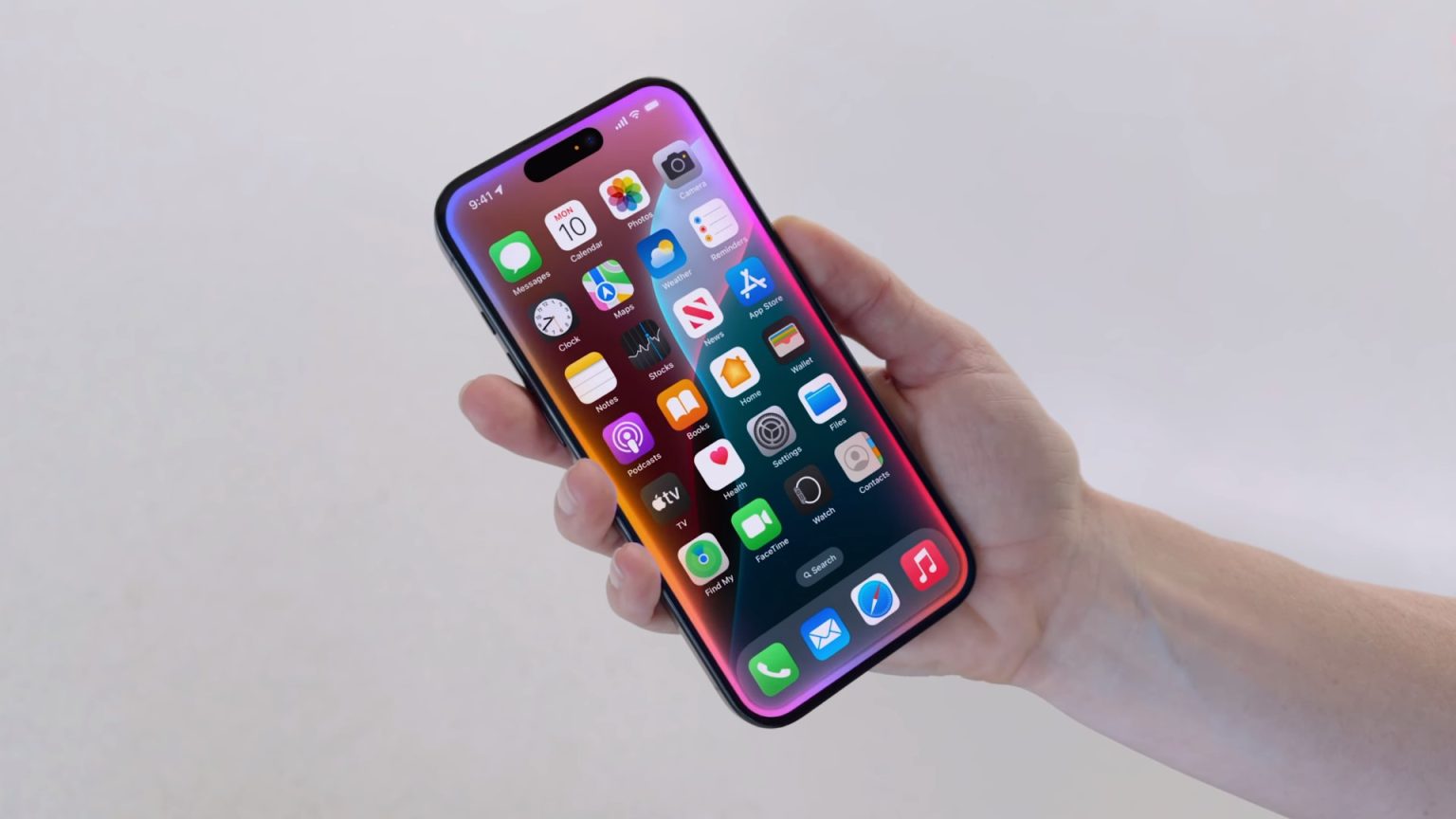
Apple has rolled out the iOS 18.2 Beta 2 for developers, marking a significant step towards the upcoming version of its smartphone operating system, expected to be officially launched in early December. This new beta introduces several enhancements, notably the inclusion of more Apple Intelligence features. One of the most anticipated additions in this release is the introduction of an API designed to provide Siri and Apple Intelligence with access to on-screen content, allowing these technologies to share relevant information with third-party services for processing.
The core feature of iOS 18.2 Beta 2 is the onscreen content API, which allows developers to make the content visible on the device’s screen accessible to Siri and Apple Intelligence. This API enables a deeper integration of Siri with the on-screen data, which can enhance user interactions by making the virtual assistant more contextually aware of the content being displayed. Apple has provided detailed documentation on this new feature on the Apple Developer website, outlining how developers can implement this functionality in their apps.
The new onscreen content API works by allowing developers to expose the content displayed within their apps to Siri or Apple Intelligence when the user specifically requests it. For example, if a user asks Siri a question or makes a request related to something displayed on their screen, the system can analyze the on-screen content and provide a relevant, context-aware response. Additionally, this data can be shared with third-party services, such as OpenAI’s ChatGPT, enabling even more advanced processing and interaction, based on the specific content the user is viewing.
This development brings numerous possibilities for enhancing user experience. It could enable more dynamic and personalized interactions with Siri, such as real-time translations, content summarization, or even more intuitive answers to user queries based on what’s currently visible on the screen. However, the implementation of this API raises privacy concerns, as users will need to trust that their onscreen data will be handled securely. Apple has likely designed the feature with privacy in mind, but developers and users alike will need to consider the implications of sharing onscreen content with third-party services.
The inclusion of this API in iOS 18.2 Beta 2 sets the stage for a future where Siri and Apple Intelligence are significantly more integrated into the user experience, enabling smarter, more adaptive interactions. As this feature evolves and reaches more users with the official release of iOS 18.2, we can expect more apps to leverage this technology, leading to increasingly intelligent and context-aware virtual assistants. The update also signals Apple’s ongoing commitment to improving artificial intelligence capabilities on its devices, allowing third-party services to play a more active role in processing user content.