Yazılar

Apple’s Intelligence Writing Tools Now Available for Windows Apps via Parallels Desktop

Apple has begun rolling out its new Apple Intelligence suite of tools to users in the US as part of the recent iOS 18.1 and macOS 15.1 updates. One of the most notable additions in this rollout is the Apple Writing Tools, a feature that allows users to proofread, summarize, adjust tone, modify the length, or even rewrite text across compatible devices. This new functionality works seamlessly with most macOS apps, enabling users to enhance their writing experience across the Apple ecosystem. However, the latest update also extends its reach to Windows applications running within a virtual machine on macOS.

Apple Intelligence Writing Tools Support for Windows Apps Introduced

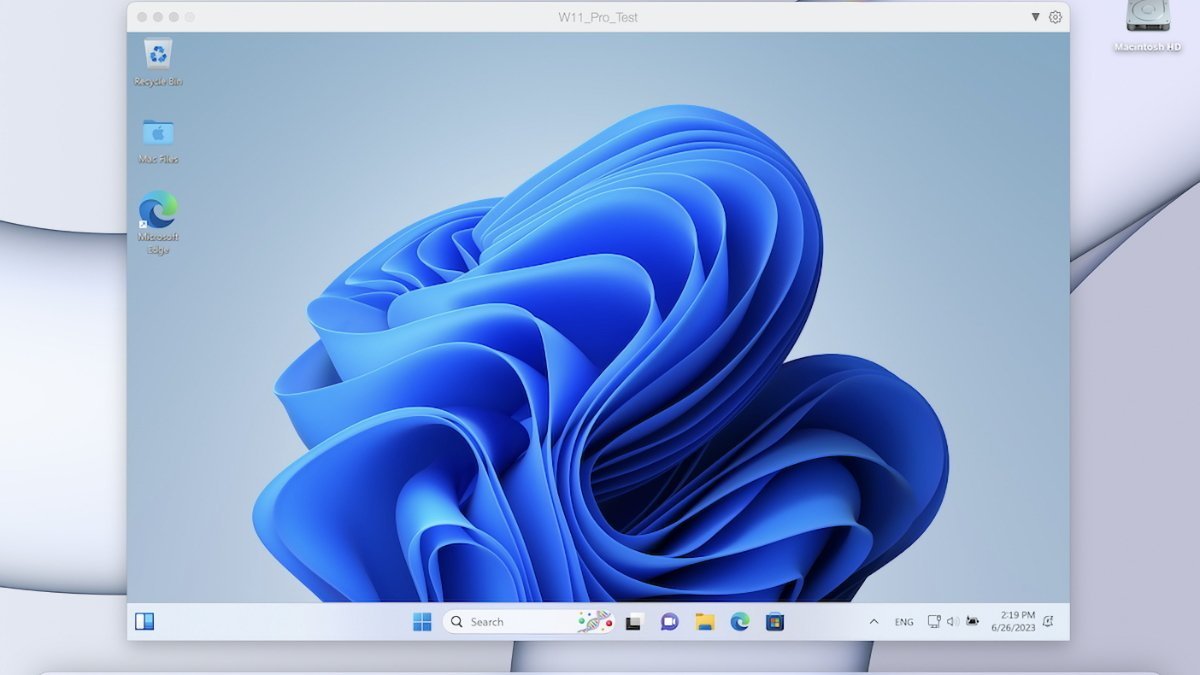
In a significant development for Mac users who rely on Windows apps, Apple Writing Tools now supports applications running inside virtual machines through Parallels Desktop. Users with a Mac running macOS Sequoia, the latest version, can access the new writing tools while using Windows-based programs such as Microsoft Word or PowerPoint. This capability marks a major step in integrating Apple’s advanced writing features across different platforms, making it easier for users to work across both macOS and Windows environments without losing access to AI-powered assistance.

The ability to use Apple’s writing tools in Windows applications via a virtual machine offers a more flexible and streamlined experience for users who regularly switch between macOS and Windows. According to a support document from Parallels, after updating to macOS 15.1, users simply need to activate Apple Intelligence on their Mac to start utilizing the writing tools with their Windows apps. This is a crucial enhancement for those who rely on Windows-specific software but want to take advantage of Apple’s powerful new AI-driven text-editing capabilities.

For users with Parallels Desktop set up on their Mac, the integration of Apple Writing Tools represents a convenient way to improve productivity across both operating systems. Whether it’s rewriting a business document or adjusting the tone of an email, users now have access to advanced AI writing features even when working within the Windows ecosystem. This move highlights Apple’s growing focus on AI tools and their cross-platform utility, making writing tasks more efficient, regardless of the underlying operating system.


Apple Releases iOS 17.7.1 Update for iPhones Not Eligible for iOS 18

Apple has recently introduced the iOS 17.7.1 update for iPhone users who haven’t yet upgraded to iOS 18, the latest iteration of the company’s operating system. While this update doesn’t bring any new features to the table, it focuses on resolving significant security vulnerabilities. The patches address critical issues such as leaks of sensitive kernel data, the risk of modifying protected system files, and iframe sandboxing policy violations. Apple’s priority with this release is to enhance device security for users on older iOS versions, ensuring that they remain protected even if they haven’t upgraded to iOS 18.

This update arrives alongside Apple’s iOS 18.1 release, which introduces “Apple Intelligence,” a suite of AI-driven features that marks Apple’s commitment to incorporating artificial intelligence throughout its ecosystem. However, the iOS 17.7.1 update stands apart, focusing exclusively on security fixes rather than feature enhancements. With iOS 18 focusing on future-forward functionalities, the release of 17.7.1 signals Apple’s dedication to safeguarding user data across all its supported operating systems, even for those using older devices.

According to Apple’s official changelog, the iOS 17.7.1 update is limited to iPhone models not updated to iOS 18 or the latest 18.1 software. One of the key vulnerabilities fixed in this update is CVE-2024-44239, a flaw that Apple identified as potentially allowing apps to leak sensitive kernel information. This vulnerability, categorized as an information disclosure issue, has been mitigated by implementing improved private data redaction for log entries. By addressing such vulnerabilities, Apple ensures a more secure experience for its users who may not yet be ready or able to upgrade to iOS 18.

The iOS 17.7.1 release underscores Apple’s proactive approach to device security, even as it rolls out new, AI-powered capabilities in its latest operating system. For those holding onto older models or taking a slower approach to updating, Apple’s security focus remains a priority. As the tech landscape becomes increasingly complex, Apple’s emphasis on protecting all users—from those with cutting-edge technology to those with legacy devices—illustrates the company’s commitment to a secure user environment across its ecosystem.

Apple Anticipates Major Revenue Surge Fueled by High iPhone Demand in China

Apple is set to report its largest quarterly revenue increase in two years this Thursday, as strong demand for iPhones—especially in China—drives growth toward the end of its annual product cycle. Analysts expect this uptick to stand out compared to recent years, marking a potential shift in momentum as the company capitalizes on renewed interest in its flagship product in key global markets.

This report will offer investors their first look at demand for Apple’s latest iPhone 16 series, which launched just days before the close of Apple’s fiscal fourth quarter. Initial figures and regional performance data will be closely scrutinized to gauge how the new model is performing, particularly in China, where Apple has been working to strengthen its position in an increasingly competitive smartphone market.

However, investors may be even more focused on Apple’s guidance and executive insights into its fiscal first quarter, traditionally a high-revenue period due to holiday sales. The company’s rollout of new “Apple Intelligence” features—its AI-driven ecosystem—is in its early stages, and some analysts worry that a slow release schedule may hold back a much-anticipated “super-cycle” in iPhone sales, which Apple hopes will be powered by AI enhancements to its best-selling product line.

The anticipated report underscores both optimism and caution as Apple navigates the challenges of an AI-centric tech landscape. With heightened interest in AI technology and competitive pressure from rivals in both hardware and software, Apple’s performance in the coming months could serve as a critical indicator of its ability to maintain its industry-leading position while adapting to new trends.