
Apple is set to announce its largest quarterly revenue increase in two years on Thursday, driven by stronger-than-expected iPhone demand, particularly in China. The company has seen improved sales trends, especially toward the end of its annual product release cycle. This marks a notable rebound for Apple, which had faced mixed results in previous years due to slower iPhone sales.
The earnings report will offer investors their first glimpse into the reception of Apple’s latest iPhone 16 series, which launched just before the close of the fiscal fourth quarter. Early signs indicate that demand for the new models, particularly in key markets like China, has exceeded expectations. Analysts will be watching closely to see how the latest release is contributing to the company’s bottom line.
However, the focus is expected to shift beyond the immediate results to commentary from executives regarding the outlook for the first fiscal quarter. Concerns are mounting that the slow pace of introducing Apple’s new artificial intelligence features may hinder the company’s potential to capitalize on a much-anticipated AI-driven “super-cycle.” As Apple’s flagship product, the iPhone’s performance will be pivotal to the company’s revenue, but AI integration could become the next major growth driver if implemented successfully.
Investors will likely scrutinize any signals from the leadership on how the company plans to balance its core hardware sales with the expanding opportunities in AI and software. With much anticipation around the role AI will play in shaping the next phase of Apple’s growth, any delays in its rollout could pose risks to its competitive edge, especially as rivals race to integrate similar technologies into their own products.
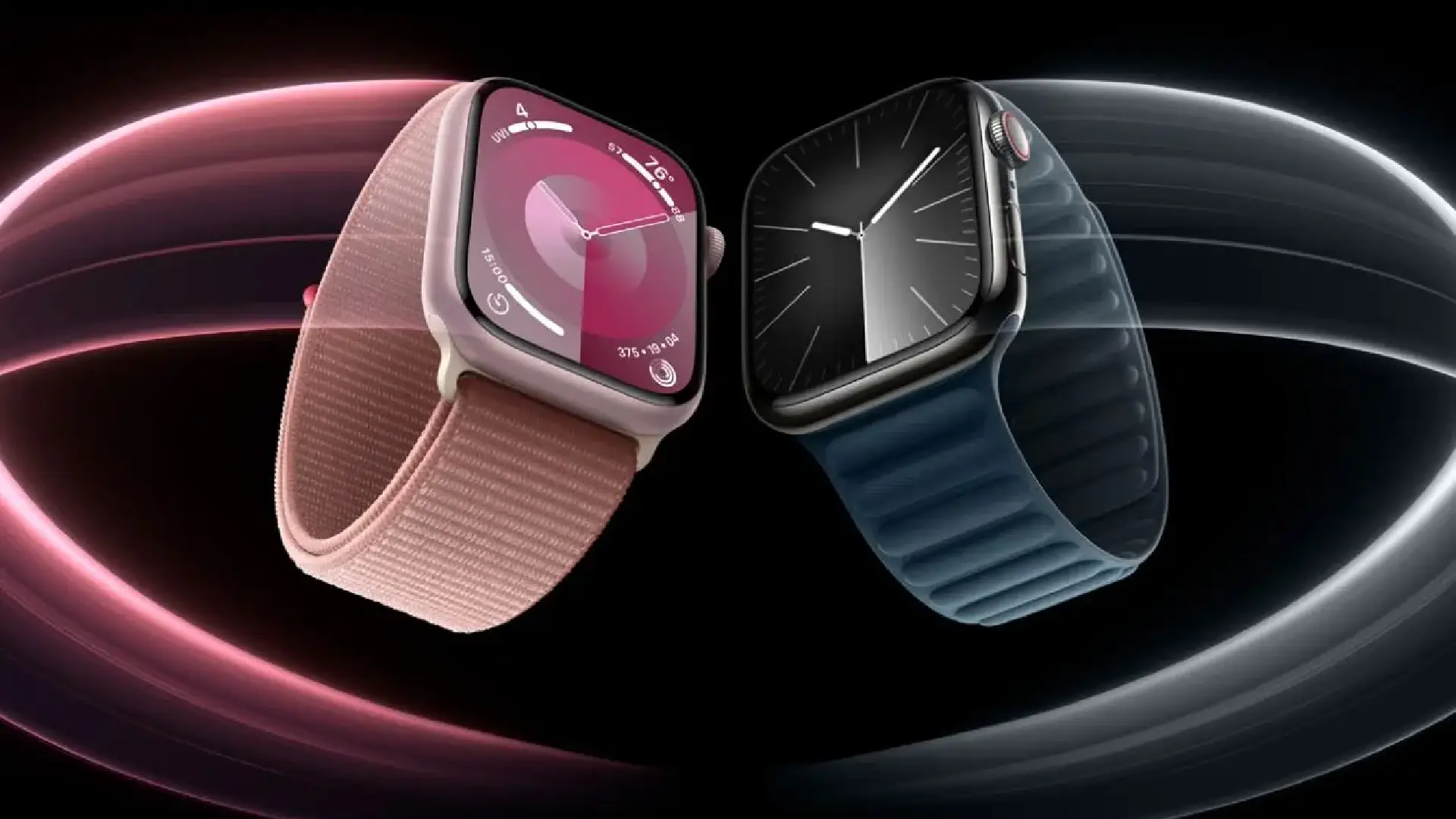
Apple has secured a significant legal victory in a patent infringement case against health monitoring company Masimo. A federal jury in Delaware ruled that Masimo’s earlier smartwatch models, including the W1 and Freedom, violated two of Apple’s design patents related to smartwatch technology. The case, which is part of a larger intellectual property dispute between the two companies, has drawn considerable attention due to its implications for the smartwatch market.
The jury’s decision marks a win for Apple, affirming its claims that Masimo’s smartwatches and chargers infringed upon its patented designs. Apple had argued that Masimo had used its intellectual property without authorization, particularly the aesthetic and functional aspects of its smartwatch technology that are integral to its product lineup. Apple’s patents cover key elements of the smartwatch design, which the company claims were copied by Masimo in its products.
Despite the jury siding with Apple, the damages awarded were relatively modest. The jury imposed a statutory minimum fine of just $250, a sum that is the lowest possible penalty for patent infringement under U.S. law. This minimal financial penalty comes as a surprise, given the size and prominence of the companies involved. Apple, with its market value hovering around $3.5 trillion, could have potentially sought a much larger financial settlement.
While the small damages may seem anticlimactic, the case highlights broader concerns in the tech industry regarding intellectual property rights. For Apple, this victory sends a message about the protection of its design patents and its willingness to pursue legal action against competitors over intellectual property violations. For Masimo, the verdict is a setback in an ongoing legal battle, as it faces further scrutiny over its products in the smartwatch space. The outcome of this case may have broader implications for how tech companies navigate patent disputes in the future.