Yazılar

Lithium’s Role in EU’s Landmark Trade Deal with South America

On December 6, after 25 years of negotiations, the European Union (EU) and five Mercosur countries—Brazil, Argentina, Uruguay, Paraguay, and Bolivia—reached a monumental trade agreement. This deal is poised to create one of the largest free trade zones globally, impacting over 700 million people and accounting for around 20% of global GDP.

The trade pact aims to foster increased trade and investment, reduce tariff and non-tariff barriers, and establish stable rules around sustainable development. However, not all EU members support the deal. Countries like France and Poland are concerned it might create unfair competition, particularly in agriculture.

Despite limited media attention, lithium—often called “white gold” due to its high value and key role in technology—emerged as a central element of the agreement. According to analysts at ING, lithium’s significance was perhaps understated, even though the EU is highly dependent on China for critical raw materials and Latin American countries, including Argentina, Brazil, and Bolivia, hold substantial lithium reserves. This strategic access is vital as Europe increasingly demands lithium for industries like electric vehicles and renewable energy.

Latin America is responsible for about 35% of global lithium supply, with Chile and Argentina being the largest contributors. The region also holds more than half of the world’s lithium reserves, underscoring its importance in the global shift to cleaner energy.

Strategic Implications

European Commission President Ursula von der Leyen emphasized that the trade deal could save EU companies €4 billion annually in export duties. Kaja Kallas, the EU’s foreign policy chief, highlighted that the agreement would ensure European access to critical raw materials, mitigating the risk of competitors filling the void.

The deal became feasible after shifts in global dynamics, such as rising protectionism and strategic considerations regarding China’s growing influence in Latin America. Federico Steinberg from the Center for Strategic and International Studies noted that the EU would gain enhanced access to public procurement markets, high-value services, and vital raw materials like lithium, while also reducing tariffs on agricultural products.

Germany’s industrial federation (BDI) praised the deal, viewing it as a crucial step toward securing raw materials for electromobility and renewable energy industries. In a time of increasing global trade fragmentation, the EU-Mercosur agreement stands as a strategic move to bolster free trade and access to critical resources.
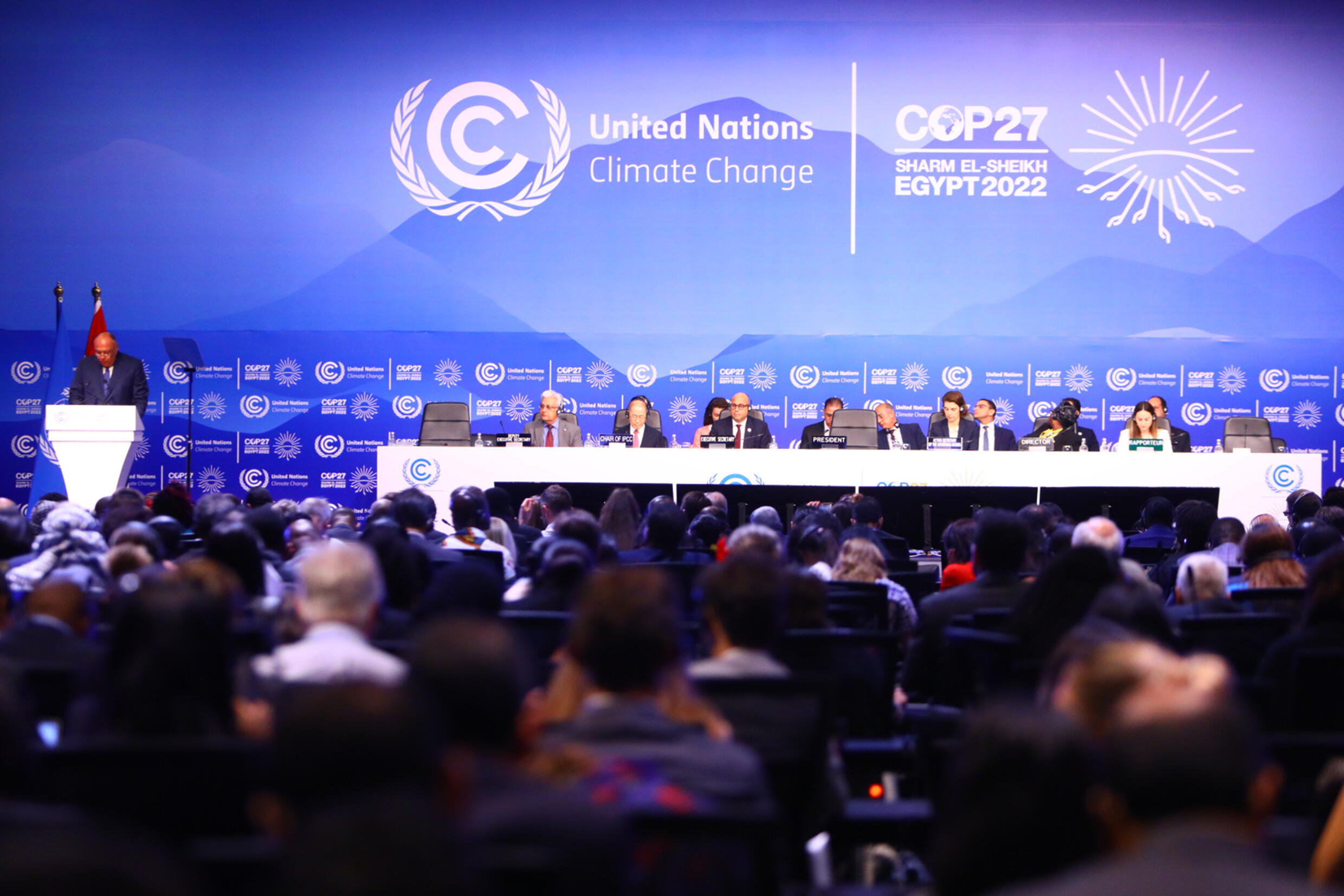

Argentina Withdraws Delegates from COP29 as President Milei Prepares for Mar-a-Lago Visit

Argentina’s government has withdrawn its delegates from the COP29 United Nations climate summit in Baku, Azerbaijan, signaling a notable shift in its approach to international climate cooperation under President Javier Milei. According to a source from Argentina’s foreign ministry, the delegation, which attended the first two days of the summit, was ordered to return home on Wednesday. Another group of delegates, scheduled to depart for Baku, was also asked not to travel.

Milei, Argentina’s recently elected president, has consistently taken an anti-climate stance, dismissing climate policies as part of a “woke agenda” that imposes an “ideological agenda” on the global stage. During his September address at the United Nations General Assembly, he criticized the UN’s 2030 Sustainable Development Agenda, rejecting it as lacking practical solutions for global issues.

As Milei distances Argentina from traditional environmental commitments, he is expected to travel to the United States to attend a Conservative Political Action Conference (CPAC) event at Mar-a-Lago in Florida. The Argentine president reportedly plans to meet U.S. President-elect Donald Trump and aims to attend Trump’s inauguration in January 2025.

In recent months, Milei has implemented a series of controversial domestic policies, including significant cuts to public spending. His administration announced a budget freeze for public universities, triggering nationwide protests, and reduced funding for various public services, including the Argentina national press agency Télam, multiple government ministries, and even support for soup kitchens in economically disadvantaged areas.

In line with his ideological position, Milei’s government has also halted the purchase of supplies for abortion access and banned gender-inclusive language in official documents, despite abortion being legalized in Argentina in 2021. This move has raised concerns among human rights organizations, who argue that the right to access safe, legal abortion services has become increasingly restricted.


Three Individuals Face Preliminary Charges Over Liam Payne’s Death in Argentina

Three people are under investigation in Argentina following the death of former One Direction member Liam Payne, according to the country’s public prosecutor’s office. The individuals are facing preliminary charges related to the death, including “abandonment of a person before a death” and “supply and facilitation of narcotics.”

Payne, 31, died on October 16 after falling from the third floor of a hotel in Buenos Aires. Toxicology reports revealed that he had alcohol, cocaine, and a prescription antidepressant in his system at the time of death. The findings suggest Payne may have lost consciousness before the fall.

The prosecutor’s office confirmed that his injuries were consistent with a fall from a height, ruling out self-inflicted harm or foul play. An autopsy and further investigation have been carried out, including a forensic analysis of Payne’s mobile phone, which provided insight into his activities during his stay at the CasaSur Palermo Hotel, where he was found.

Authorities have identified three individuals under suspicion. The first is someone who reportedly spent time with Payne daily during his visit and is suspected of both abandonment and narcotics facilitation. A hotel employee is also under investigation for allegedly providing cocaine to Payne on two separate occasions. The third suspect is believed to have supplied drugs to Payne on October 14.

The investigation has been extensive, involving over 800 hours of video footage, and interviews with two female escorts who were with Payne in the hours leading up to his death. The women stated that while they did not witness Payne using drugs, he did consume alcohol.

Payne, who had previously been open about his struggles with substance abuse and mental health, had celebrated six months of sobriety in the summer of 2023 following a rehabilitation stint. His death occurred shortly before his planned South American tour, which had been postponed earlier that year due to a kidney infection.

As investigations continue, authorities are working through the legal process, with the possibility of formal charges pending. The suspects are yet to be publicly identified, and it remains unclear whether any are in custody.