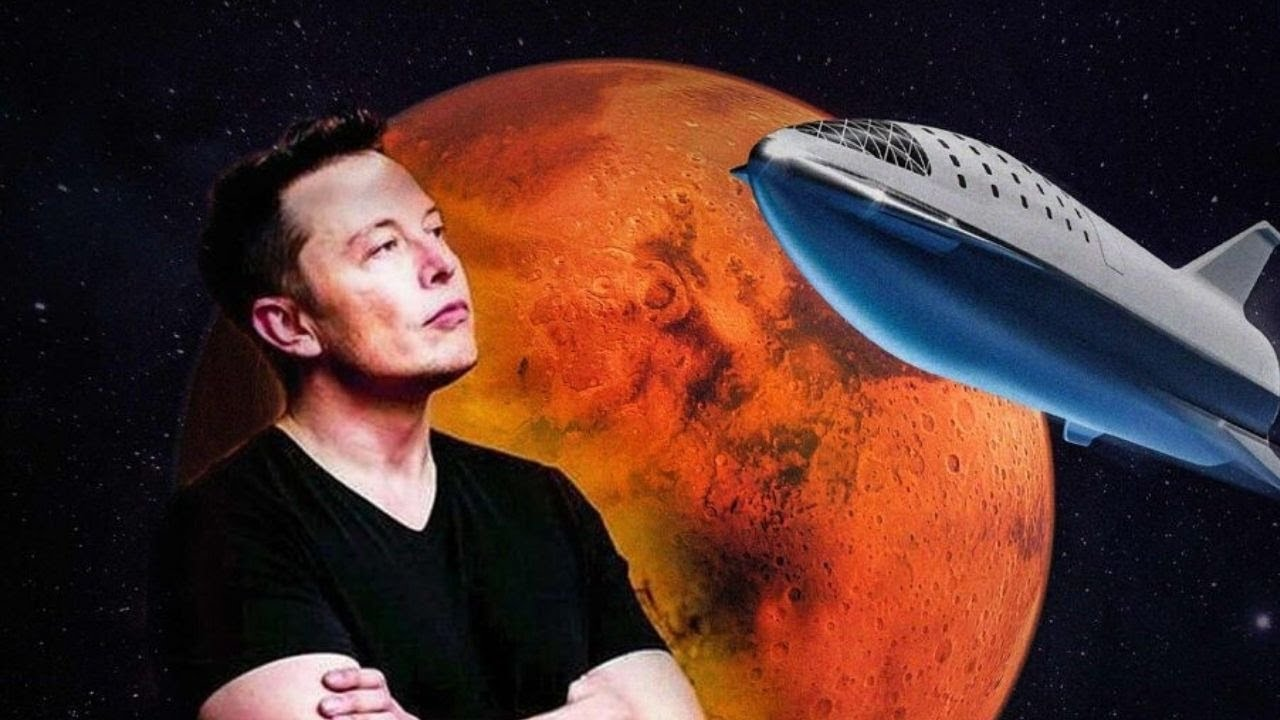
Is SpaceX’s Starship the Loudest Rocket Ever?
A History of Thunderous Rockets
Rocket launches have always been associated with immense noise, but SpaceX’s Starship, the largest and most powerful rocket to leave the launchpad, has reignited debates about the loudest rocket ever. With thrust levels exceeding all previous rockets, Starship may set new records for launch noise.
Historically, NASA’s Saturn V rocket, used in the Apollo program during the 1960s and 1970s, was among the loudest rockets. Saturn V’s launches, with thrust levels of 35 MN, produced a maximum noise level of 204 decibels (dB), loud enough to be heard miles away and powerful enough to cause potential damage near the launchpad. Spectators were kept at least 3.2 miles (5.1 km) away to mitigate the risks of exposure.
Comparatively, the Soviet N1 rocket, designed for lunar missions, generated 45 MN of thrust, theoretically louder than Saturn V, though its limited launches failed to provide reliable acoustic measurements.
Starship: Breaking New Records
Starship, with its Super Heavy booster, produces an extraordinary 74 MN of thrust, more than double Saturn V’s output. During its fifth test flight in October 2024, researchers from Brigham Young University recorded noise levels exceeding 120 dB at a distance of 6.5 miles (10.5 km) and sonic booms reaching nearly 140 dB at the same distance.
Closer to the launchpad, pre-launch estimates from the FAA suggested noise levels could reach up to 150 dB, a volume that can potentially cause physical damage to structures. Residents in nearby towns reported vibrations, broken windows, and dust storms caused by the force of the rocket’s engines.
The combination of Super Heavy’s thrust and Starship’s massive size makes it a strong contender for the loudest rocket, especially when considering the environmental impact of its launches.
Managing Rocket Noise
Both Saturn V and Starship have highlighted the challenges of managing the acoustic power generated by massive rockets. NASA’s engineers addressed noise concerns during the Apollo era by using water-filled flame trenches at the launchpad to suppress sound waves. This method was also used for the Space Shuttle and the newer Space Launch System (SLS) rockets.
The SLS, used in NASA’s Artemis program, produces 15% more thrust than Saturn V and recorded 136 dB at 0.9 miles (1.5 km) during its Artemis I launch in 2022. Researchers noted the SLS’s crackling sound was “40 million times greater than a bowl of Rice Krispies.”
Starship’s sheer power poses additional challenges. Its April 2023 maiden flight destroyed its launchpad, underscoring the intensity of its thrust and noise. SpaceX has since worked on improving its launch systems, including water-based sound suppression.
Why Rockets Sound Different
Rocket noise isn’t just about volume; its characteristics depend on thrust, design, and atmospheric conditions. Low-frequency rumbles, high-decibel crackles, and the environment’s reflection of sound waves contribute to how launches are experienced. Overcast conditions, for instance, can amplify noise, carrying it farther from the launch site.
Future of Loud Rockets
With Starship’s ongoing development, noise levels may climb further as engineers refine the rocket for missions to Mars. SpaceX’s efforts to optimize performance and safety will include mitigating acoustic impacts, but earplugs and safe viewing distances will remain essential for spectators.