Yazılar

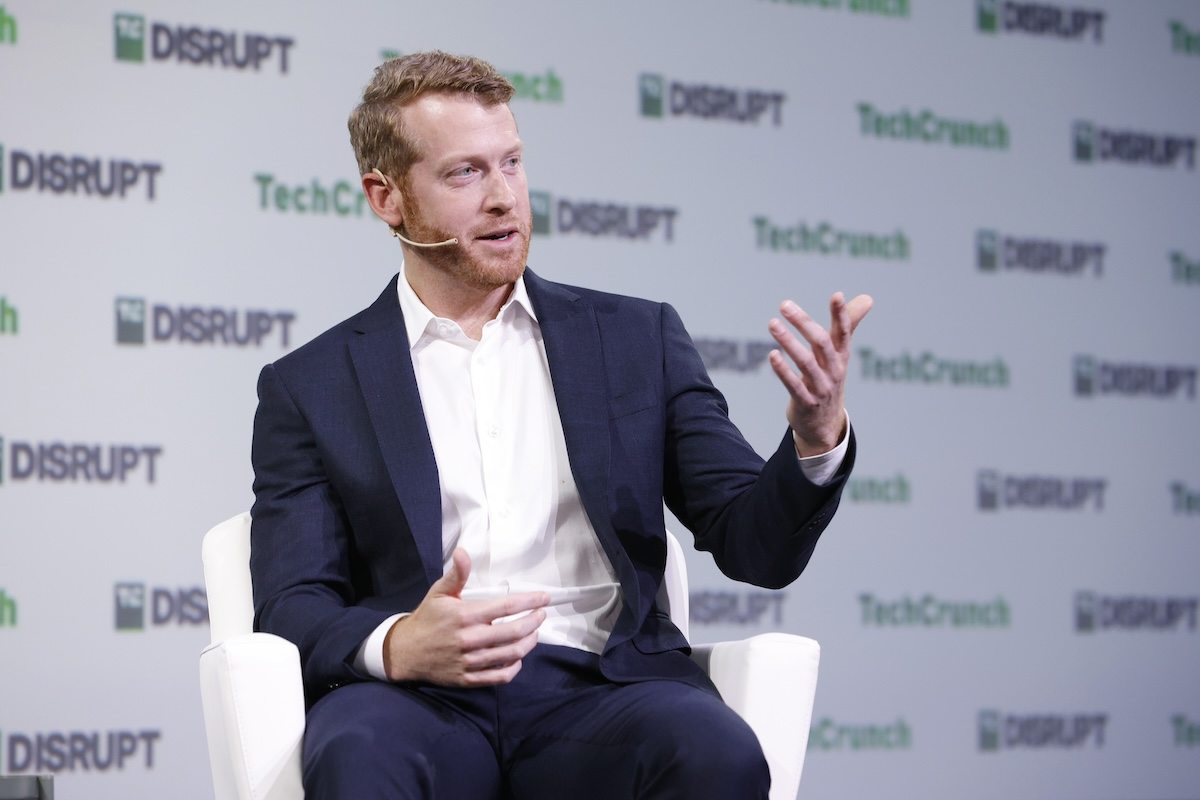
Former Cruise CEO Kyle Vogt’s Robotics Startup, The Bot Company, Valued at $2 Billion in New Funding

Kyle Vogt, the former CEO of self-driving car company Cruise, has secured $150 million in a new funding round led by Greenoaks for his robotics startup, The Bot Company. This investment boosts the company’s valuation to $2 billion, a significant jump from its previous valuation of $550 million following an earlier $150 million funding round. Despite the company not yet releasing a product or generating revenue, the funding reflects strong investor confidence in its potential.

The Bot Company, which was co-founded by Vogt, Paril Jain, and Luke Holoubek—former engineers at Tesla and GM-owned Cruise—aims to build AI-powered robots for everyday household tasks. These robots are designed to be non-humanoid and feature a base and grips for performing chores. The company is still in the development phase, working on integrating hardware and artificial intelligence-based software that will enable the robots to adapt and learn new tasks.

The company’s rapid rise in valuation comes amid a boom in robotics, driven by advances in large language models (LLMs). These AI models enable robots to understand natural language commands and perform more complex tasks, fueling significant interest in robots that could assist in homes or on factory floors. The Bot Company’s focus on creating at-home robots positions it within the growing trend of robotics startups, which are attracting substantial funding for innovative, AI-powered solutions.

The boom in robotics is also reflected by other industry players. Companies like Tesla, startups such as Figure, and Cobot, a robotics firm focused on industrial automation, are drawing attention with large funding rounds. Major players like Amazon have also invested heavily in home robotics, with the launch and eventual discontinuation of its Astro robot.

Vogt and his co-founders are part of a wave of talent transitioning from the self-driving car industry to robotics, aiming to create more adaptable and intelligent robots that can perform a range of tasks in daily life. The investment in The Bot Company, alongside the increasing venture capital influx into robotics, indicates growing confidence in AI-driven, action-based robotics solutions.
Tencent Unveils T1 Reasoning Model Amid Intense AI Competition in China

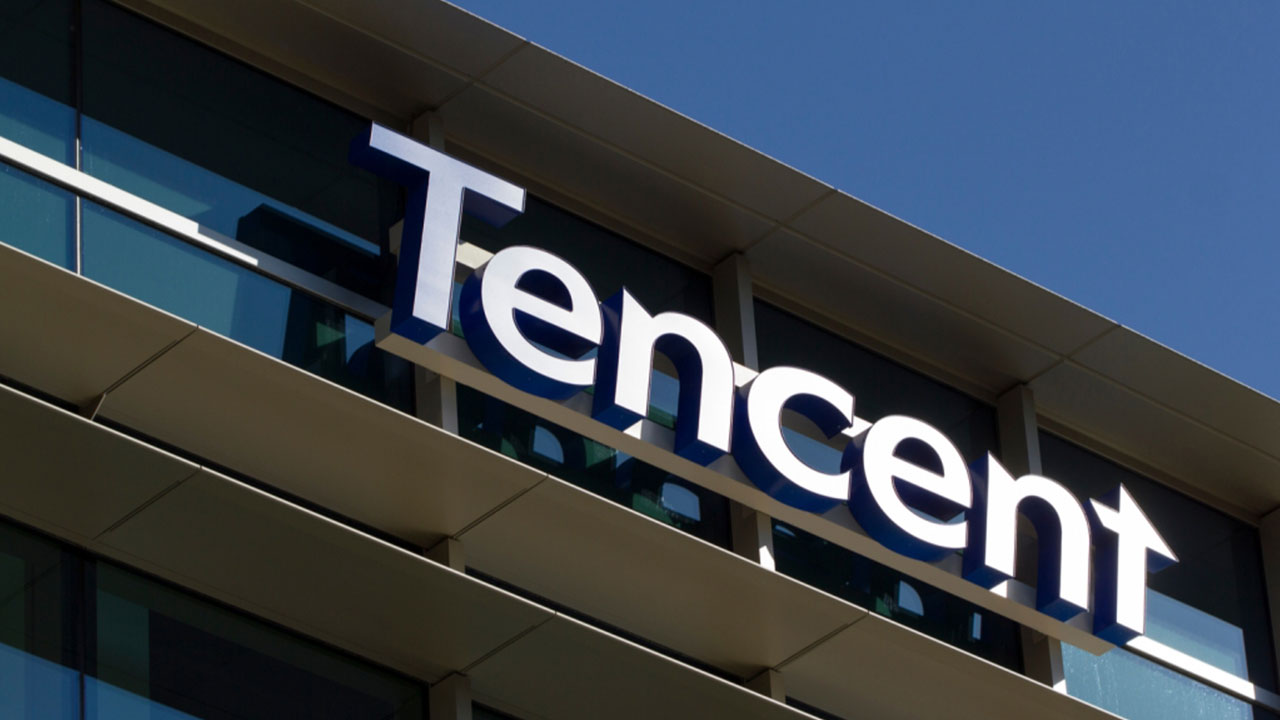
Tencent, the Chinese tech giant, has officially launched its T1 reasoning model, marking a significant step in the intensifying competition in China’s artificial intelligence (AI) sector. The official version of T1, announced on Friday night, offers faster response times and enhanced capabilities for handling extended text documents. The company highlighted that the model’s content logic remains clear, and the text is neat and clean, with a notably low hallucination rate.

This release comes at a time when China’s AI landscape is becoming increasingly competitive, particularly after DeepSeek introduced models that are said to offer comparable or even superior performance to Western counterparts at much lower costs. Tencent had previously released a preview version of T1 via platforms such as its AI assistant app, Yuanbao, but the official version is now powered by Tencent’s Turbo S foundational language model, which was unveiled late last month.

According to a comparison chart shared in the announcement, Tencent’s T1 model outperformed DeepSeek’s R1 model on certain knowledge and reasoning benchmarks. This new development is part of Tencent’s broader push to accelerate its AI investments, which include plans to significantly increase capital expenditures in 2025 following a strong focus on AI spending throughout 2024.

UAE Pledges $1.4 Trillion Investment in U.S. Economy, White House Announces

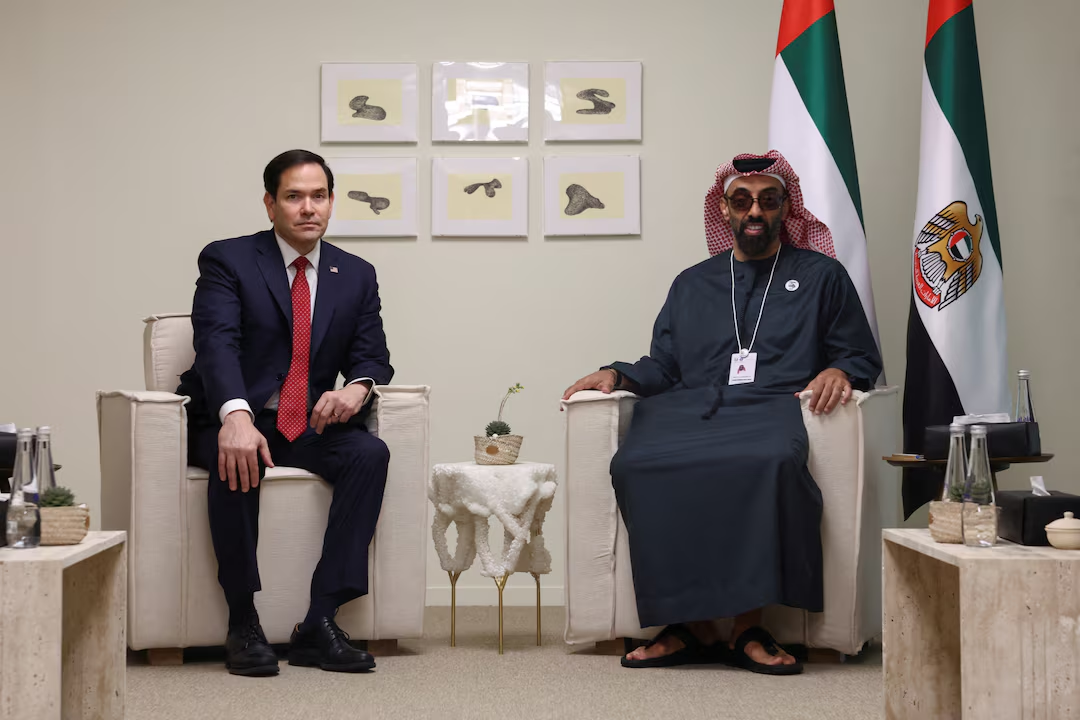
The United Arab Emirates (UAE) has committed to a major 10-year, $1.4 trillion investment framework in the United States, signaling a deepening economic relationship between the two countries. This commitment, announced by the White House on Friday, comes after high-level meetings between UAE officials and President Donald Trump, highlighting the UAE’s expanding role in key sectors such as artificial intelligence (AI), semiconductors, energy, and manufacturing.

While the White House did not detail how the full $1.4 trillion would be invested, some deals under the framework have already been publicly disclosed. Notably, the UAE’s Emirates Global Aluminium announced plans to build the first new aluminum smelter in the U.S. in 35 years. This smelter would significantly boost U.S. aluminum production, nearly doubling its domestic capacity.

The UAE, a major oil producer and longstanding U.S. security partner, is increasingly focusing on diversifying its economy away from fossil fuels, with AI emerging as a critical area of investment. In addition to energy and manufacturing, the UAE is also positioning itself as a leader in the AI sector, aiming to capitalize on its technological growth to secure a more diversified economic future.

This agreement is part of a broader trend of increased Gulf investment in the U.S., exemplified by sovereign wealth funds like Abu Dhabi’s Mubadala, which already holds significant U.S. assets. The UAE’s push for more investments follows a pattern of heightened collaboration between the two nations, with previous discussions between UAE President Sheikh Mohamed bin Zayed Al Nahyan and former President Joe Biden emphasizing AI, space exploration, and investments.

In addition to the aluminum smelter project, one of the key partnerships under the new framework is between the UAE sovereign wealth fund ADQ and U.S. private equity firm Energy Capital Partners, which will focus on a $25 billion initiative to enhance energy infrastructure and data centers across the U.S.