
Yazılar

Tesla invests $2 billion in xAI, confirms Cybercab production this year

Tesla said it will invest $2 billion in xAI, the artificial intelligence company founded by its chief executive Elon Musk, while reaffirming that production of its Cybercab robotaxi remains on track to begin this year. The move underscores Tesla’s strategic shift from a traditional electric vehicle maker toward an AI- and autonomy-focused business model.

The investment supports Tesla’s push into self-driving technology and robotics, areas central to its long-term valuation. Management said factory investments tied to Cybercabs, humanoid robots, Semi trucks, and the Roadster will drive capital expenditures above $20 billion this year, more than double prior levels. Shares rose after the announcement but pared gains as investors weighed the scale of spending.

Tesla said it will stop selling the Model S and Model X, reallocating factory space to robotics production. While its core EV business remains under pressure from competition and pricing incentives, the company highlighted progress in margins and strong growth in its energy generation and storage segment.

Musk reiterated expectations for broader autonomous deployment, though regulatory hurdles remain for the Cybercab, which is designed without a steering wheel or pedals. Investors are watching rollout milestones closely as Tesla seeks to convert long-promised autonomy into tangible revenue.
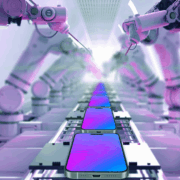
Apple warns rising memory costs as AI chip demand tightens supply

Apple warned that increasing memory chip prices are beginning to weigh on profitability, as major suppliers shift production toward higher-margin chips used in artificial intelligence systems. Chief executive Tim Cook said market pricing for memory has risen sharply and is expected to have a greater impact in the current quarter, following only limited effects during the key holiday period.

The comments echo recent warnings from South Korean chipmakers Samsung Electronics and SK Hynix, which together dominate the global DRAM market. Both companies have been prioritising high-bandwidth memory used in AI servers, tightening supply of conventional DRAM chips used in smartphones, personal computers, and consumer electronics.

Apple is likely to require more memory components as demand for its latest iPhone models remains strong, particularly in China and India. However, the company declined to say whether higher component costs could translate into increased product prices. Analysts warn that sustained memory shortages could pressure margins across the consumer electronics sector and disrupt supply chains.

Chipmakers have also become more cautious about expanding capacity after years of aggressive investment, limiting the pace at which supply can respond. As AI infrastructure spending accelerates, memory availability for traditional devices is expected to remain constrained, contributing to weaker outlooks for global smartphone and PC shipments in the coming years.

Apple acquires Israeli audio AI startup Q.ai

Apple said it has acquired Q.ai, an Israeli startup focused on artificial intelligence for audio applications. Apple did not disclose financial terms, but a source familiar with the deal said the transaction valued Q.ai at around $1.6 billion. The startup was backed by several major venture capital firms.

Apple said Q.ai has developed machine learning techniques that help devices understand whispered speech and improve audio quality in difficult environments. The company did not specify how the technology will be integrated, but the acquisition aligns with Apple’s broader push to enhance AI-driven experiences across its hardware products, including wearables.

Q.ai has also filed patents related to detecting subtle facial skin micromovements to interpret speech, identity, and certain physiological indicators. Around 100 Q.ai employees, including its leadership team, will join Apple as part of the deal. Apple executives said the acquisition strengthens its long-term capabilities in imaging, audio, and machine learning.