
Yazılar

Zoom Raises Annual Forecasts as AI Integration Drives Growth

Zoom Communications has raised its full-year revenue and profit outlook, citing strong demand for its hybrid work solutions and the integration of AI-powered tools across its platform.

The company now expects fiscal 2026 revenue to reach between $4.80 billion and $4.81 billion, slightly above its earlier forecast and consensus estimates of $4.79 billion. Adjusted profit per share is projected between $5.56 and $5.59, a significant increase from the previous range of $5.34 to $5.37 and well ahead of analyst expectations of $5.41.

The upgrades come as Zoom expands its AI capabilities, particularly through its AI Companion, which saw major updates in March. The platform now supports functions like meeting summaries, shift overviews, and automated clip generation, enhancing productivity and collaboration for users in hybrid and remote settings.

“Across online and enterprise, the majority of the business in the first quarter saw no change in buying behavior, still strong demand,” said CFO Michelle Chang.

Chang also noted that despite increased scrutiny on deal terms among some large U.S. clients, Zoom did not suffer any significant losses during the quarter.

Q1 Performance and Strategic Momentum

For the first fiscal quarter ended April 30:

  • Revenue stood at $1.17 billion, in line with Wall Street expectations.

  • Adjusted earnings were $1.43 per share, exceeding forecasts of $1.31.

The results indicate that Zoom’s pivot from a pandemic-era video calling staple to a more diversified enterprise communications platform is gaining traction.

Industry analysts responded positively to the company’s evolution.

“With a beefed-up buyback program and AI Companion upgrades now spanning everything from shift summaries to clip generation, Zoom finally has the makings of a new story to tell,” said Jeremy Goldman, senior director at Emarketer.

Zoom’s increased focus on enterprise customers, AI-driven enhancements, and broader collaboration tools is helping it stay relevant amid fierce competition from platforms like Microsoft Teams and Google Meet.

Only 8% of Italian Firms Use AI as Digital Skills Lag Behind EU Peers, Says ISTAT

Italy remains significantly behind its European peers in the adoption of artificial intelligence (AI) and digital skills, according to the annual report released Wednesday by ISTAT, the country’s national statistics bureau.

Only 8% of Italian enterprises were using AI in 2023 — a far lower share than in other major EU economies. By comparison, nearly 20% of German businesses use AI tools, with higher adoption rates also recorded in France and Spain.

ISTAT’s findings point to a broader challenge for Italy: insufficient digital literacy among its population. In 2023, only 45.8% of Italians aged 16 to 74 possessed at least basic digital skills — well below the EU average of 55.5% and far from the bloc’s 2030 target of 80%. The figure drops even further to 36.1% in the Mezzogiorno, Italy’s economically disadvantaged southern regions, including Sicily and Sardinia.

Brain Drain and Economic Concerns

ISTAT also highlighted the ongoing “brain drain” affecting Italy’s younger population. In 2023 alone, 21,000 graduates aged 25–34 left the country, marking a 21.2% increase compared to the previous year. Over the past decade, Italy has experienced a net loss of 97,000 qualified young workers, exacerbating demographic and labor challenges.

This trend poses long-term risks to Italy’s innovation capacity and productivity, particularly as the country struggles with low growth and aging demographics.

Economic Forecast

Amid mounting external pressures, including U.S. trade tariffs, the government of Prime Minister Giorgia Meloni last month slashed its 2025 growth forecast from 1.2% to 0.6%. Preliminary data showed the Italian economy grew by 0.3% in the first quarter of 2025 compared to the previous quarter.

Outlook

Italy’s sluggish digital transformation threatens its competitiveness in a rapidly evolving EU market that is increasingly driven by AI integration, digital skills, and tech innovation. The report underscores an urgent need for targeted policies to:

  • Boost digital education,

  • Incentivize AI adoption among small and medium-sized enterprises,

  • Retain young talent by fostering innovation-friendly environments.

Without such reforms, Italy risks falling further behind in the digital economy of the future.

Malaysia Denies Government Role in AI Project Involving Huawei Ascend Chips

Malaysia’s Ministry of Investment, Trade and Industry (MITI) has officially clarified that the government is not involved in a reported artificial intelligence project using Huawei’s Ascend chips, distancing itself from earlier reports suggesting official backing.

The clarification follows local media coverage on Monday that claimed Malaysian firm Skyvast Corporation would deploy Huawei’s Ascend AI chips in a domestic initiative. In response, MITI stated the project “was not developed, endorsed, or coordinated by the Government of Malaysia, nor does it form part of any Government-to-Government agreement or nationally mandated technology programme.”

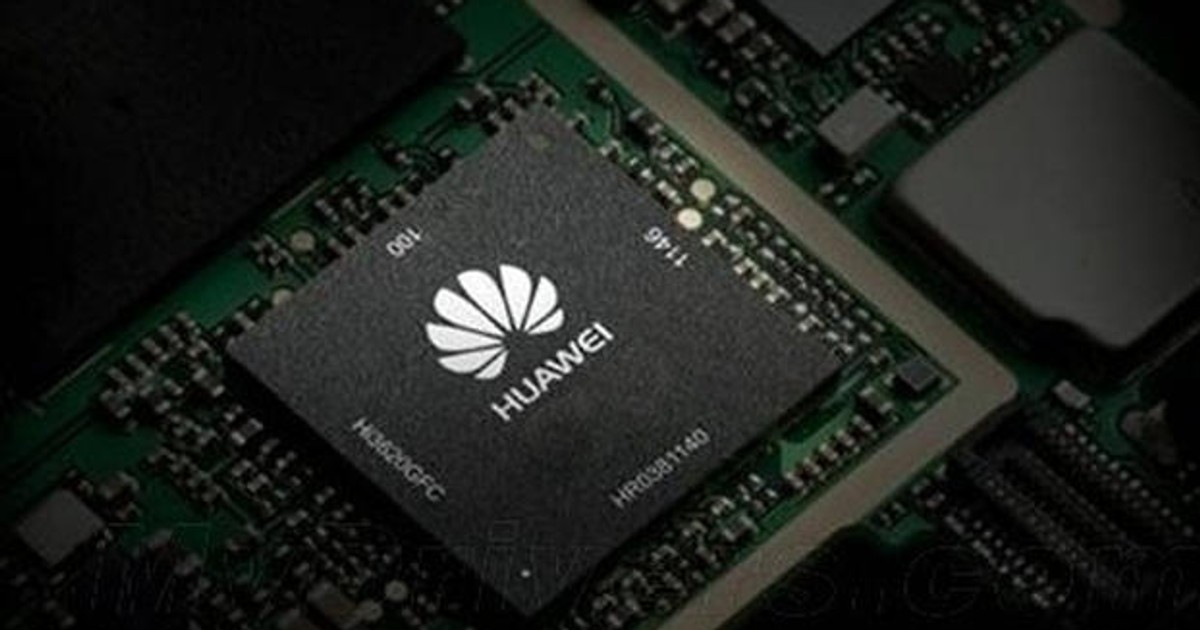
Huawei, for its part, told Reuters that it has not sold any Ascend chips in Malaysia, and that the Malaysian government has made no such purchases. The Chinese tech giant developed the Ascend line after being cut off from U.S. suppliers, positioning the chips as domestic alternatives amid Washington’s escalating export restrictions on advanced semiconductors, particularly from Nvidia.

The Malaysian ministry also reaffirmed its commitment to complying with international export control laws, national security regulations, and guidance from global regulatory bodies. The statement appears aimed at avoiding diplomatic friction amid growing U.S. scrutiny over AI-related tech flows involving China.

Skyvast Corporation has not responded to requests for comment.

The backtracking highlights the sensitivity of semiconductor and AI technology partnerships in the current geopolitical climate, especially as countries weigh alignment with U.S.-led technology sanctions while maintaining ties with Chinese tech firms.