Hong Kong Stocks Drop as Stimulus Rally Fades; Japan’s Nikkei Leads Gains Across Asia
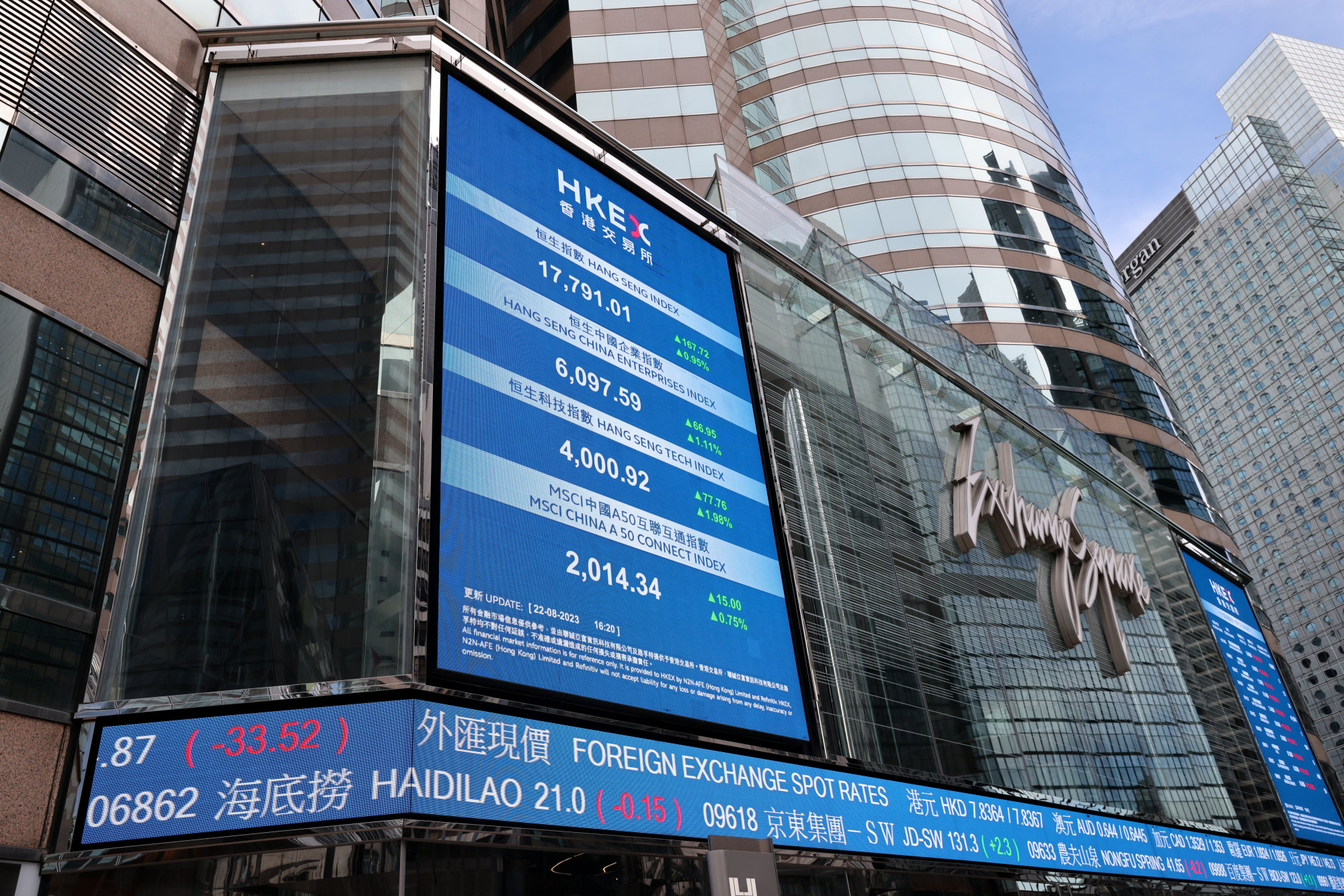
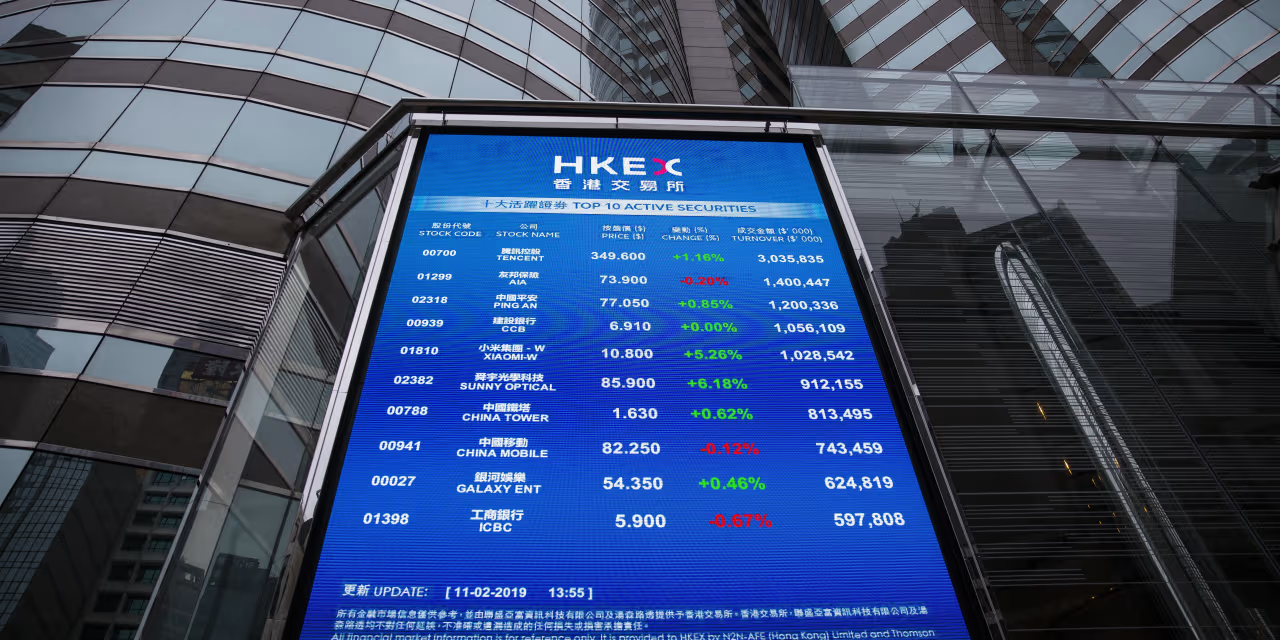
Hong Kong’s stock market tumbled on Thursday, with the Hang Seng index falling by 3% after a brief stimulus-fueled rally. This comes after the index surged over 6% on Wednesday, marking a 22-month high. The sudden downturn was driven by significant declines in the property and tech sectors, with the Hang Seng Mainland Properties Index dropping over 10%, led by Longfor Group Holdings and New World Development, which plunged 12.8% and 10%, respectively. The Hang Seng Tech Index also suffered a 6% loss.
While mainland Chinese markets remain closed until October 8 for holidays, investors are questioning the long-term impact of recent stimulus measures announced by Chinese authorities. Analysts, like Nomura’s chief China economist Ting Lu, urge caution, suggesting that future fiscal policies might lack clarity and could lead to market uncertainty.
Japan’s Markets Show Strength
Contrary to Hong Kong’s struggles, Japan’s Nikkei 225 surged 2.1%, leading gains across Asia, while the Topix rose 1.3%. Japan’s market gains were bolstered by a weakening yen, which hit 147.15 against the U.S. dollar, marking its largest single-day decline since June 2022.
Japan’s newly-appointed Prime Minister Shigeru Ishiba assured reporters that the current economic environment does not support an interest rate hike, following his meeting with Bank of Japan Governor Kazuo Ueda. These comments helped boost investor sentiment, further driving market performance.
Mixed Economic Data from Australia
Elsewhere, Australia’s S&P/ASX 200 index increased by 0.25% despite some mixed economic signals. The country’s Judo Bank Composite PMI for September dipped to 49.6 from 51.7 in August, signaling a contraction in private sector activity. Meanwhile, the Australian Bureau of Statistics reported a trade surplus of AU$5.64 billion for August, surpassing estimates but reflecting a slight decline from July’s AU$6.01 billion.
Other Key Updates
- Japan: The au Jibun Bank Composite PMI for September stood at 52.0, reflecting slower growth in the private sector compared to August’s 52.9. The service sector PMI also showed softer expansion, at 53.1 in September versus 53.7 in August.
- South Korea and Taiwan: South Korea’s markets were closed for National Foundation Day, and Taiwan’s markets remained shut as Typhoon Krathon brought severe weather to the region.
- Middle East Conflicts: Geopolitical tensions in the Middle East continue to affect market sentiment globally. Israel launched a ground operation into Lebanon, and Iran retaliated with a ballistic missile strike following the death of Hezbollah leader Hassan Nasrallah.
U.S. Market Update
U.S. markets were relatively flat on Wednesday as investors weighed the risks of escalating Middle East conflicts. The S&P 500 inched up by 0.01% to 5,709.54, while the Dow Jones Industrial Average gained 39 points to close at 42,196.52. The Nasdaq Composite saw a modest rise of 0.08%, closing at 17,925.12.