Yazılar

New Study Unravels Zebra Pattern in Crab Nebula’s Radio Waves

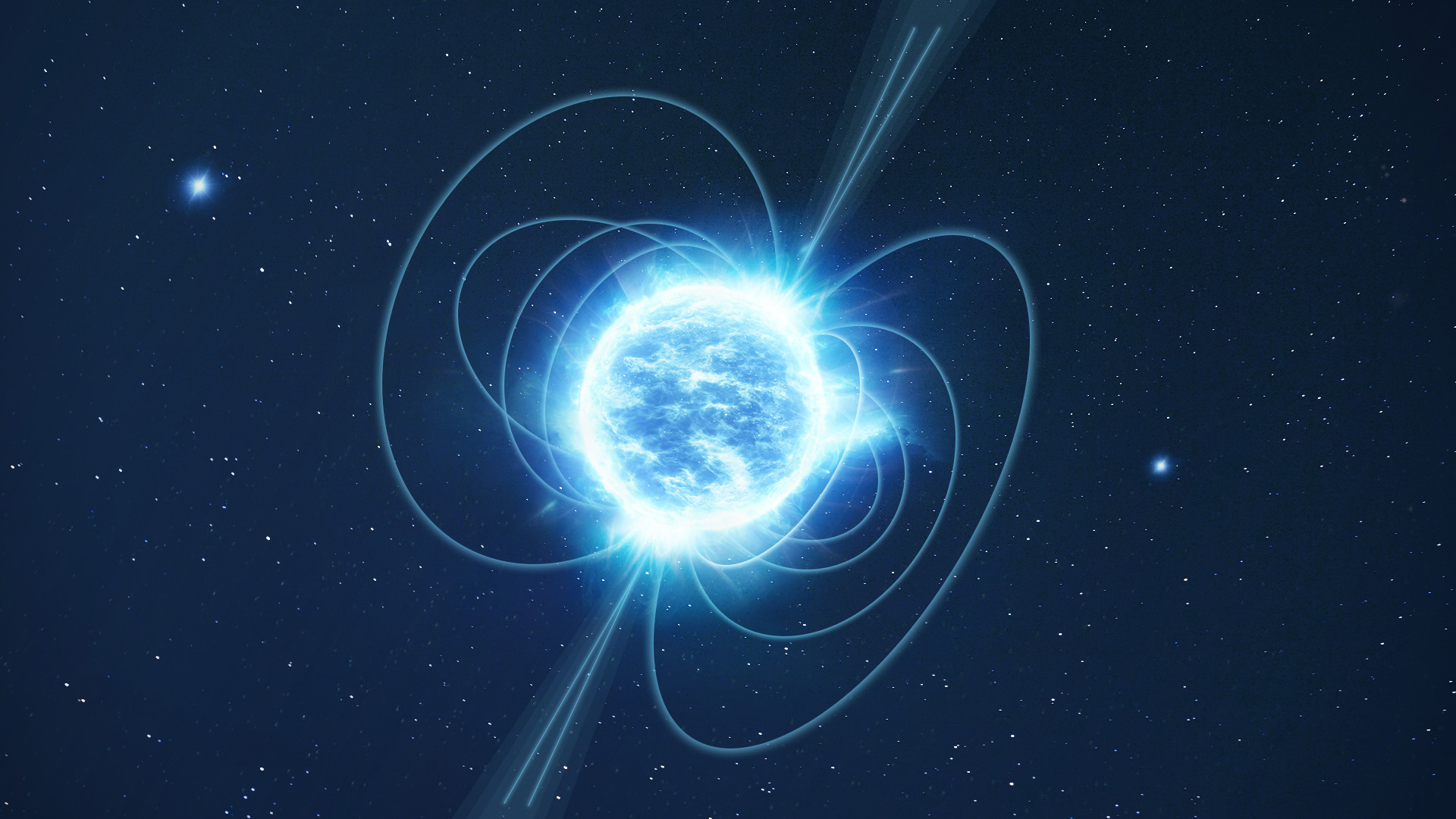
A perplexing “zebra” pattern seen in the high-frequency radio waves emitted by the Crab Nebula’s pulsar may now have a plausible explanation, according to recent research by Mikhail Medvedev, a Professor of Physics and Astronomy at the University of Kansas. First identified in 2007, this distinctive pattern, marked by irregular spacing between frequency bands, has intrigued astrophysicists for years. Medvedev’s new study, published in Physical Review Letters, offers a theory involving wave diffraction and interference, phenomena caused by the pulsar’s plasma-rich environment, which could account for the unusual radio wave structure.

The Crab Nebula, a remnant of a supernova explosion observed in 1054 AD, houses a neutron star known as the Crab Pulsar at its core. This pulsar, which is only about 12 miles in diameter, emits sweeping pulses of electromagnetic radiation, resembling the beam of a lighthouse. While pulsars are known for their regular emissions, the Crab Pulsar is particularly unique due to its zebra pattern—an anomaly seen exclusively within a specific pulse component and spanning frequencies between 5 and 30 gigahertz.

Medvedev’s research suggests that this zebra pattern is caused by the pulsar’s dense plasma environment. The plasma, composed of charged particles like electrons and positrons, interacts with the pulsar’s magnetic field in ways that influence the radio waves. This interaction can create diffraction effects, similar to how light waves bend around obstacles. As these radio waves travel through regions of varying plasma density, they generate a series of alternating bright and dark bands, which, from Earth, appear as the zebra-like pattern.

The new model proposed by Medvedev could help clarify one of the most intriguing phenomena observed in astrophysics. By linking the zebra pattern to well-understood physical principles such as diffraction and interference, the research offers a more comprehensive understanding of how the unique conditions around the Crab Pulsar shape the radio waves we detect on Earth. As astronomers continue to study the Crab Nebula and similar pulsars, this new explanation may unlock further insights into the complex interplay between magnetic fields, plasma, and electromagnetic radiation in extreme environments.

Hubble Observations Reveal Supermassive Black Hole Jets Linked to Surge in Nova Explosions

Hubble Discovers Connection Between Supermassive Black Hole Jets and Increased Nova Explosions

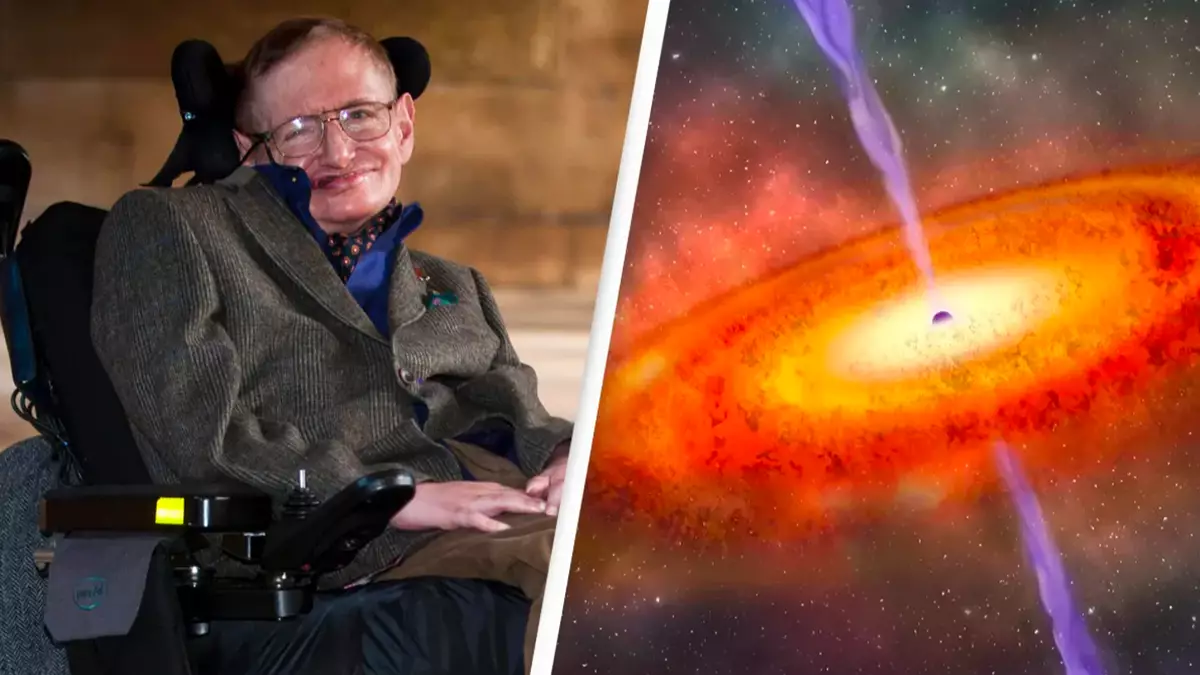
At the core of most large galaxies resides a supermassive black hole, a cosmic entity that significantly influences the dynamics of its surrounding environment. These black holes are known for their voracious appetite for energy and matter, leading to the generation of powerful jets of plasma that travel at nearly the speed of light. A prime example is the supermassive black hole located in Messier 87, which is situated approximately 54 million light-years from Earth and produces jets that extend over 3,000 light-years into space. These jets are not merely a byproduct of black hole activity; they play a crucial role in shaping the galaxies around them.

Recent observations from the Hubble Space Telescope have brought to light an intriguing phenomenon: double-star systems located near these supermassive black hole jets are experiencing a notable increase in nova explosions. Typically, these systems consist of a normal star and a white dwarf. When the normal star expands during its life cycle, it can shed material that becomes attracted to the dense white dwarf. This material accumulation eventually leads to a catastrophic explosion known as a nova. The proximity to the powerful jets generated by the black hole seems to enhance this explosive process, suggesting a fascinating interplay between black holes and their stellar neighbors.

Research conducted by astronomers, including Alec Lessing from Stanford University, highlights the significance of these findings. Lessing remarked on the implications of the study, stating, “This means there’s something missing from our understanding of how black hole jets interact with their surroundings.” The research team collected data over a period of nine months, revealing a statistically significant correlation between the activity of black hole jets and the increased frequency of nova explosions in the vicinity. This correlation indicates that the influence of supermassive black holes extends beyond their immediate vicinity and may have broader implications for stellar evolution and galactic dynamics.

While the exact mechanism by which black hole jets enhance nova activity remains uncertain, the research opens new avenues for exploration in astrophysics. Understanding the relationship between supermassive black holes and nova explosions could provide insights into the lifecycle of stars and the intricate interactions that occur within galaxies. The findings also raise questions about the role of other cosmic phenomena in influencing stellar behavior, prompting further investigation into the nature of these explosive events.

Looking ahead, researchers are eager to delve deeper into the dynamics of black hole jets and their impact on surrounding celestial bodies. Future observations, potentially utilizing advanced telescopes and monitoring systems, may provide additional data to unravel the complexities of these interactions. By enhancing our understanding of how supermassive black holes influence their environments, scientists can piece together a more comprehensive picture of galactic evolution.

In summary, the discovery of a link between supermassive black hole jets and increased nova explosions signifies a noteworthy advancement in our understanding of cosmic dynamics. As researchers continue to study this relationship, we may uncover new aspects of the universe that challenge existing theories and expand our knowledge of the intricate tapestry of celestial phenomena.